





 English
 中文简体
中文简体 русский
 عربى
عربىFace Mask Market 2025: Growth Trends, Segments & Nonwoven Fabric Demand
Content
Global mask shipments topped 150 billion units during the pandemic peak — and while that extraordinary spike has normalized, the structural demand it created has not disappeared. Manufacturers, investors, and equipment buyers who understand where the face mask market is heading in 2025 and beyond are better positioned to make smarter production decisions. This overview breaks down the numbers, the materials, and the machinery opportunity hiding inside the data.
Global Face Mask Market at a Glance
The global face mask market encompasses two distinct but often overlapping categories: medical and protective masks (surgical masks, N95/KN95 respirators, disposable procedural masks) and beauty and skincare masks (sheet masks, clay masks, cream/gel masks). Together, these segments represent a combined market worth tens of billions of dollars annually — and both rely heavily on nonwoven fabric as their core material.
On the protective side, the disposable face mask market was valued at approximately USD 2.76 billion in 2025 and is forecast to reach USD 3.29 billion by 2034. The broader medical and industrial mask segment, when combined with fashion and specialty applications, pushes total market value well past USD 7 billion by most analyst estimates. Growth rates vary by segment — the sheet mask category is expanding at a brisk 8.3% CAGR through 2033, while disposable surgical masks are on a steadier 1.94% trajectory as the post-pandemic baseline firms up.
The takeaway for manufacturers: this is no longer a crisis-driven market. It is a structurally embedded one — driven by ongoing health consciousness, urban pollution, occupational safety regulations, and an expanding global middle class with growing skincare expectations.
Key Market Segments and Product Types
Not all face masks are the same product, and not all of them require the same manufacturing inputs. Understanding the segmentation is essential for equipment buyers deciding which production line to invest in.
Surgical and procedural masks remain the largest volume category. These three-ply disposable masks are produced at massive scale, primarily from polypropylene nonwoven fabric. Margins are thin, but volume is high — making production line efficiency and material cost control the dominant competitive variables.
Respirators (N95, KN95, FFP2) command higher price points and stricter material specifications. The filtration layer — melt-blown nonwoven fabric — is the defining component. Respirator demand has stabilized post-pandemic but remains elevated, particularly in industrial and healthcare settings where occupational exposure standards mandate certified respiratory protection.
Fashion and anti-pollution masks represent a fast-growing hybrid category. Anti-pollution fashion masks accounted for 71.9% of the fashion mask segment's revenue in 2025, combining aesthetic appeal with functional filtration. Younger consumers in Asia and Latin America are driving repeat purchases through seasonal design cycles.
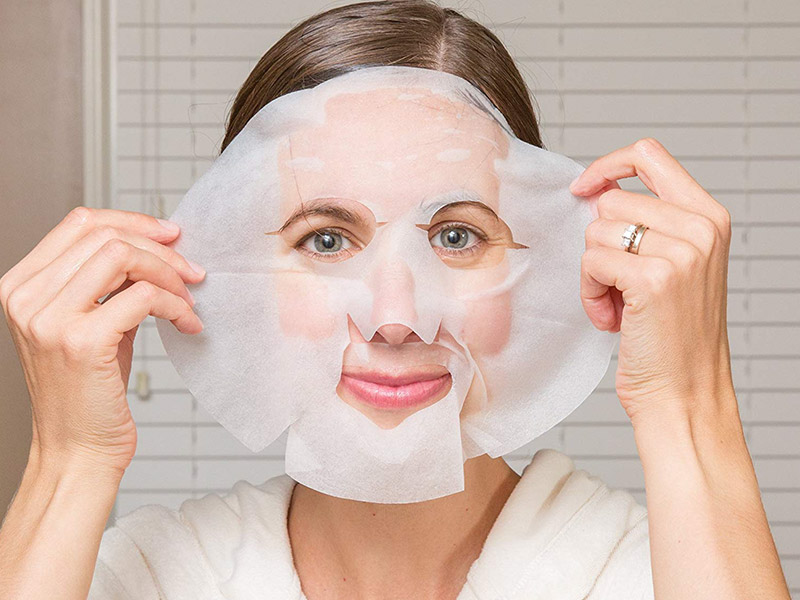
Skincare and beauty masks (sheet masks, clay masks, peel-off masks) operate on a different production logic, but sheet masks in particular use nonwoven substrate materials — making this segment relevant to nonwoven fabric producers even outside the medical supply chain.
The Material Behind Every Mask: Nonwoven Fabric
Strip any surgical mask or respirator down to its components, and you find a consistent structure: a three-layer nonwoven sandwich. The outer layer repels fluids; the middle layer filters particles; the inner layer manages moisture and comfort against skin. Each layer demands a different type of nonwoven material — and a different type of production equipment.
According to WHO guidance on mask composition, the middle layer should be a non-woven, non-absorbent material such as polypropylene — precisely the melt-blown substrate that provides the mask's filtration backbone. Academic research published in peer-reviewed literature confirms that nonwoven materials serve as the primary medium for aerosol filtration in both surgical masks and respirators.
This three-layer architecture maps directly to production equipment categories:
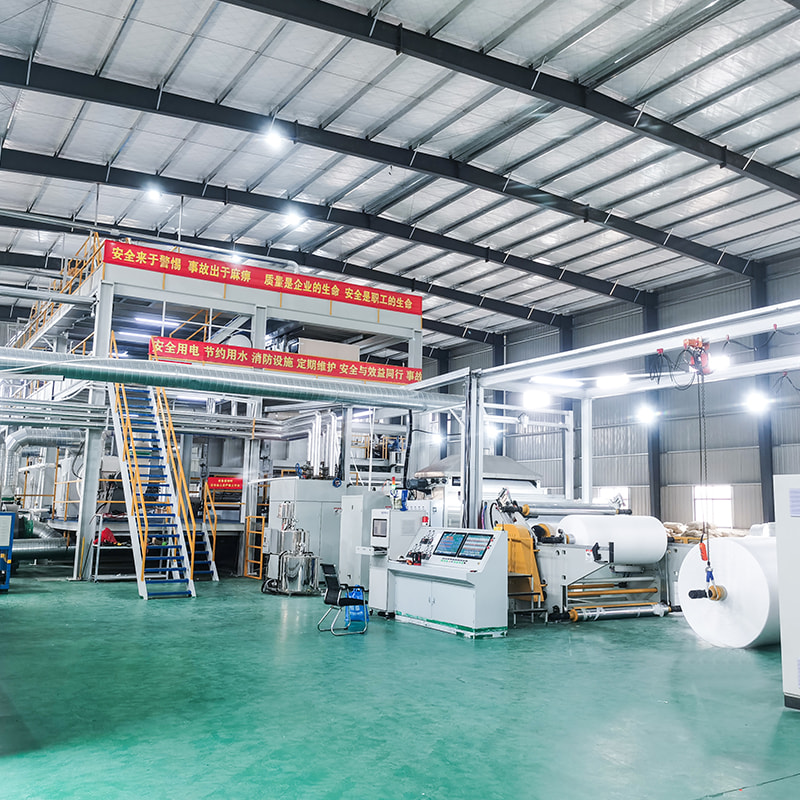
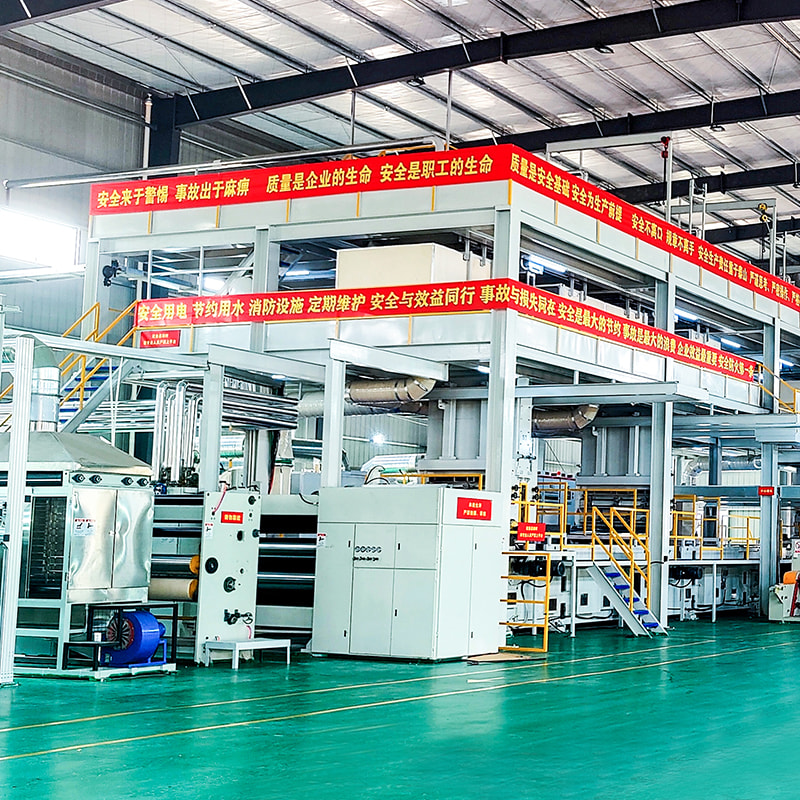
- The outer and inner layers are typically produced by spunbond nonwoven machines used in mask base fabric production, yielding the soft, structurally stable fabric that defines mask comfort and shape.
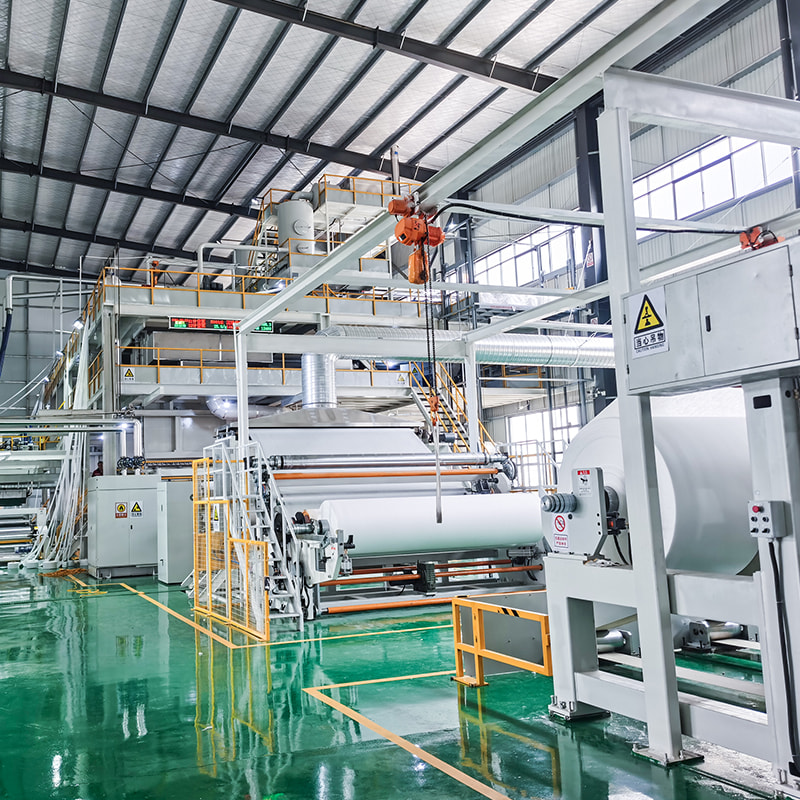
- The critical filtration middle layer is produced by melt-blown nonwoven machines that produce the critical filtration layer — generating ultra-fine microfibers capable of intercepting particles as small as 0.3 microns.
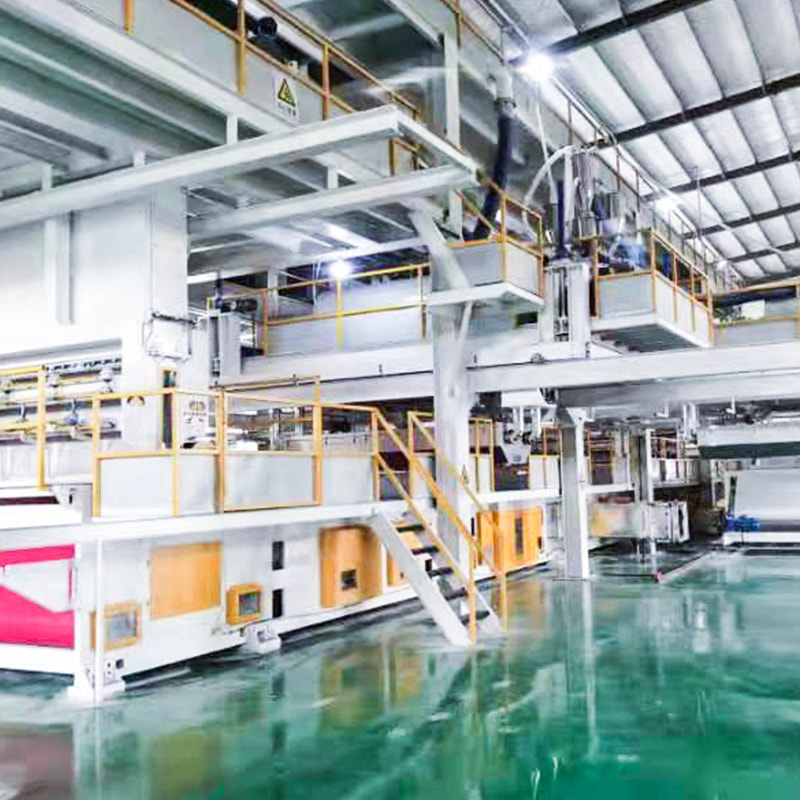
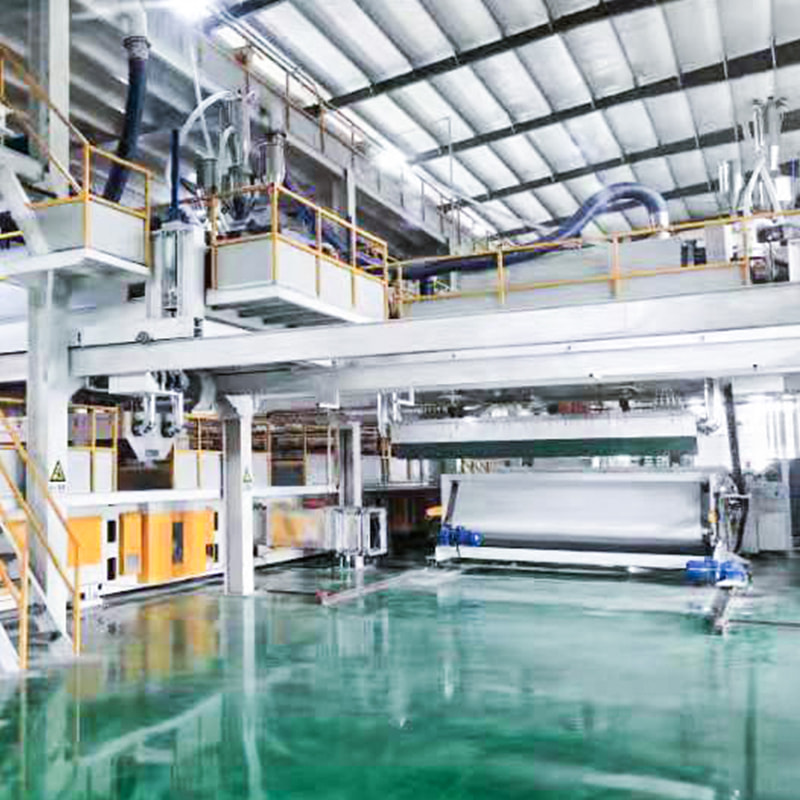
- Integrated SMS and SMMS lines combine all layers into a single production pass. The SMS and SMMS spunmelt nonwoven machines for face mask outer layers offer higher throughput and tighter quality control for high-volume mask producers.
Polypropylene remains the dominant raw material across all protective mask categories, valued in part for its cost efficiency, chemical resistance, and compatibility with the spunmelt and melt-blown processes. Manufacturers exploring sustainable alternatives are increasingly experimenting with biodegradable polymer blends — but PP-based nonwoven remains the production standard for certified masks.
Regional Market Dynamics
Geography shapes both demand patterns and manufacturing strategy in ways that matter for production investment decisions.
Asia-Pacific holds the largest share of the global face mask market — approximately 73% of the beauty mask segment and over 34% of the disposable protective mask segment. China and India anchor the region's position as both the world's largest manufacturing base and a rapidly growing consumer market. Government-supported manufacturing infrastructure, access to polypropylene feedstock, and deep export networks give Asia-Pacific producers structural cost advantages. For equipment buyers in the region, scaling up production capacity ahead of global demand cycles is a proven strategy.
North America is the fastest-growing region in the skincare mask segment, projected at a 4.75% CAGR through 2030. Regulatory modernization — including MoCRA cosmetic reforms in the US — is raising the bar on ingredient transparency and product safety, which supports premium pricing and pushes manufacturers toward higher-quality substrates. On the medical side, a strong healthcare system and persistent occupational safety enforcement sustain reliable demand for certified respirators and surgical masks.
Europe combines strong occupational safety regulation with an accelerating sustainability agenda. Disposable masks made from nonwoven materials dominate current use, but reusable and eco-friendly alternatives are gaining share — particularly in markets where single-use plastics regulation is tightening. European manufacturers face pressure to innovate on material composition without sacrificing filtration performance.
| Region | Market Role | Key Driver | Growth Outlook |
|---|---|---|---|
| Asia-Pacific | Manufacturing hub + largest consumer base | Scale, pollution, K-beauty influence | Steady; export-driven |
| North America | Premium demand market | Health awareness, regulatory standards | Fastest-growing (skincare segment) |
| Europe | Sustainability-focused market | Eco-materials, occupational safety | Moderate; innovation-led |
| Middle East & Africa | Emerging market | Urbanization, growing retail infrastructure | Accelerating |
Key Market Drivers and Emerging Trends
Several forces are reshaping face mask demand in ways that extend well beyond the pandemic cycle. Manufacturers tracking the latest nonwoven industry developments will recognize most of these themes already playing out in procurement decisions and product specifications.
Health consciousness as a baseline behavior. Post-pandemic, mask-wearing during flu season and in healthcare settings has normalized in many markets. This is no longer reactive behavior — it is embedded into routine health practice, particularly in East Asia. The implication: demand for surgical and procedural masks is now more predictable and less volatile than during the 2020–2022 surge.
Air quality and urban pollution. Environmental agencies continue to report worsening air quality in major metropolitan areas across South and Southeast Asia. This sustains year-round demand for anti-pollution masks — and raises consumer expectations for filtration efficiency. Masks that can demonstrate PM2.5 or PM0.3 protection through verified certifications command meaningful price premiums.
Sustainability pressure on materials. The environmental cost of billions of discarded polypropylene masks has become a regulatory and reputational issue. Manufacturers are responding with biodegradable mask formats, recycled material blends, and take-back programs. Equipment capable of processing alternative polymer feedstocks is increasingly relevant for forward-looking production strategies.
Smart mask technology. The integration of embedded sensors for air quality monitoring, respiratory rate tracking, and particulate detection is moving from prototype to early commercial deployment. This niche currently represents a small share of total volume but attracts significant investment and signals where the premium segment is heading through 2030.
E-commerce and live-commerce acceleration. Online retail is now the fastest-growing distribution channel in the beauty mask segment, projected at a 4.25% CAGR. In the protective mask category, platform-based B2B procurement is compressing the supply chain between manufacturers and institutional buyers. Speed-to-market and real-time inventory capability are becoming as important as unit cost.
What This Means for Nonwoven Machine Manufacturers
The face mask market data tells a clear story for equipment buyers: the demand for high-quality nonwoven fabric at scale is not going away. It is diversifying — across mask types, end-use applications, regional markets, and material specifications. That diversification creates opportunity for manufacturers who can produce a range of nonwoven substrates with consistent quality and flexible line configurations.
For producers entering or expanding in this space, the machine selection question is essentially a question about which mask segment to target:
- High-volume surgical mask production demands high-throughput spunmelt lines capable of consistent basis weight control across wide fabric widths.
- Respirator production demands melt-blown capability with precise fiber diameter control — the variable that most directly determines filtration efficiency.
- Multi-product operations benefit from modular spunbond and spunmelt configurations that can switch between fabric specifications as order mix evolves.
The nonwoven fabric solutions for protective and medical applications ultimately determine whether a finished mask earns its certification — and whether a manufacturer can compete in regulated markets. Equipment investment is where that capability is built.
The face mask market has matured past the volatility of the early 2020s. What remains is a structurally sound, globally distributed demand base — and the nonwoven machinery that serves it is a long-term infrastructure investment, not a cycle trade.


 +8613621544385
 No.29 Xinhua Road, Jiashan Village,Jiaxing City Zhejiang P.R., China