



 English
 中文简体
中文简体 русский
 عربى
عربىFlame Retardant Masterbatch: A Guide for PP Nonwoven Producers and Buyers
Content
A PP spunbond roll looked faultless until the vertical burn test left a hole the size of a coin in under four seconds. The line had been running smoothly all morning; the issue was not the machine but the flame retardant masterbatch. In nonwoven production, this additive sits at the intersection of polymer rheology, flame chemistry, and process stability. Choosing the wrong carrier, the wrong additive chemistry, or the wrong let-down ratio can turn a compliant recipe into a costly reject.
This guide explains what flame retardant masterbatch is, how it works, how to judge it for PP spunbond and meltblown production, and what it means for equipment selection.
What Flame Retardant Masterbatch Does
Flame retardant masterbatch is a concentrated mixture of flame retardant additives dispersed in a polymer carrier, designed to be dosed into polypropylene during extrusion. It does not make plastic non-flammable; it delays ignition, limits flame spread, and in many formulations reduces smoke. That difference matters for nonwovens more than for bulk plastics. A thin filament web has enormous surface area per unit mass. Oxygen reaches every fibre, so a fire can propagate quickly unless the polymer melt is modified at the molecular level.
Flame retardants can work through several mechanisms. Some release radical scavengers into the gas phase and interrupt combustion; others promote char formation on the fibre surface and thermally insulate the underlying polymer. Metal hydroxides decompose endothermically, absorbing heat and releasing water vapour. Most commercial systems combine two or more mechanisms to pass a specific test.
Halogenated vs. Halogen-Free Masterbatches
The two broad families of flame retardant masterbatch have different process and compliance profiles. Halogenated systems are effective at low loading and affordable, but they can produce dense smoke and corrosive gases during a fire and are restricted in some markets. Zero-halogen systems, commonly phosphorus-based or intumescent, are increasingly preferred because they produce less smoke and lower toxicity, even though they may require higher loading. The choice depends on the end-use standard, the fabric's intended fire scenario, and the production line's ability to handle additives.
| Type | How it works | Advantages | Limitations |
|---|---|---|---|
| Halogenated (brominated or chlorinated) | Releases radical scavengers in the gas phase, interrupting combustion. | Effective at low addition; cost-efficient; robust across many resins. | Dense smoke and corrosive gases in a fire; restricted or banned in some sectors. |
| Halogen-free (phosphorus, intumescent, metal hydroxide) | Forms char, absorbs heat, or releases non-flammable gases. | Low smoke and toxicity; increasingly required for indoor and public applications. | Higher loading needed; can affect spinnability, hand feel, and cost. |
Key Selection Criteria for PP Nonwoven Production
When you evaluate a flame retardant masterbatch for a spunbond or meltblown line, the additive's flame chemistry is only half the story. The masterbatch must also survive the extrusion process and remain compatible with the polymer flow. Important criteria include:
- Carrier resin compatibility. The carrier should have a melt flow rate close to the base PP grade. On a high-speed spunbond line, a high-viscosity carrier can cause die pressure surges and uneven filament distribution.
- Melt flow index alignment. PP for spunbond nonwovens usually runs in an MFI range of 15 to 40 g/10 min; meltblown often uses higher MFI. If the masterbatch carrier has a much lower MFI, it may act as a reinforcer rather than a flow aid, disrupting the process.
- Filtration and particle size. For meltblown dies, unfiltered agglomerates block spinnerets. Ask for a masterbatch with fine, well-dispersed particles and check if it can pass through the screen pack at the process temperature.
- Thermal stability. Processing temperatures of 230 to 260 degrees Celsius should not decompose the additive or generate volatile gases that form surface defects.
- Target standard and dosage. UL 94 V-0, FMVSS 302, and EN 13501 require different levels of protection. Addition usually runs between 5 and 20 percent by weight, depending on active content and fabric weight. Test your exact fabric construction, not just a plaque.
- Secondary effects. Colour, odour, wettability, electrostatic charge, and mechanical strength can all change with loading. A masterbatch that passes the flame test may fail the softness or filtration requirement.
How FR Masterbatch Affects Spunbond and Meltblown Processing
Adding flame retardant masterbatch changes the melt's rheology and the fabric's physical behaviour. On a spunbond line, higher additive loading often reduces tensile strength and elongation, because high concentrations of inorganic or intumescent particles interrupt polymer chain continuity. Filament breakage can appear when the masterbatch concentration exceeds the screw's mixing capacity. On a meltblown line, the same loading can clog dies and lower filtration efficiency if the particles are not fine enough.
This is why additive compatibility is not a lab curiosity; it is a line-performance issue. A masterbatch that looks good in a plaque test can still produce nonwovens with pinholes, die streaks, or poor hydrostatic head. Before committing to a full recipe, run a small-scale trial on the actual line using the same screen-pack and die configuration. The way additives affect nonwoven quality and performance depends as much on dispersion as on chemistry.
Choosing the Right Production Line for FR Nonwovens
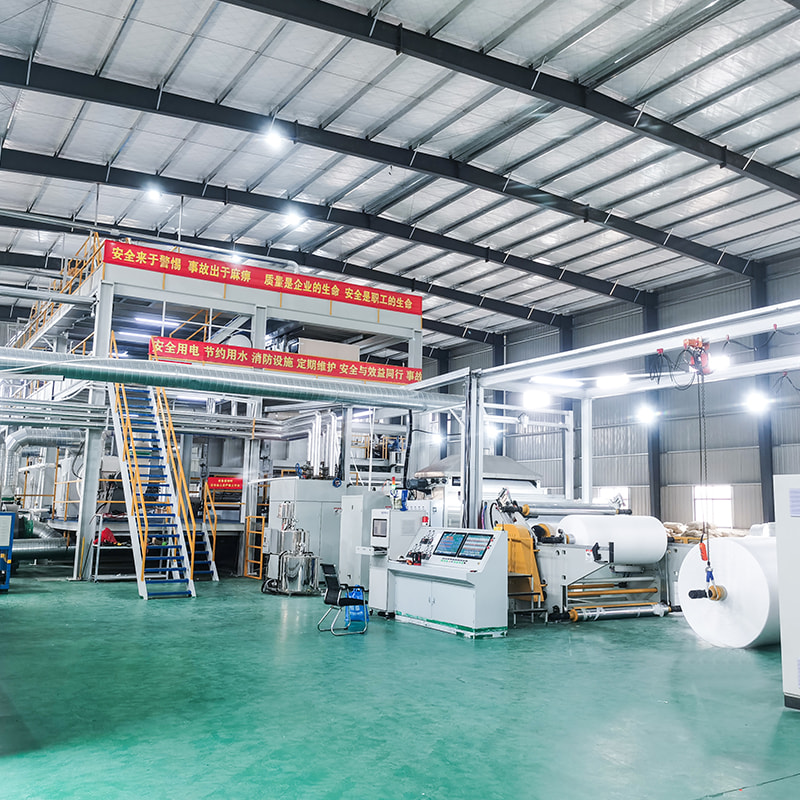
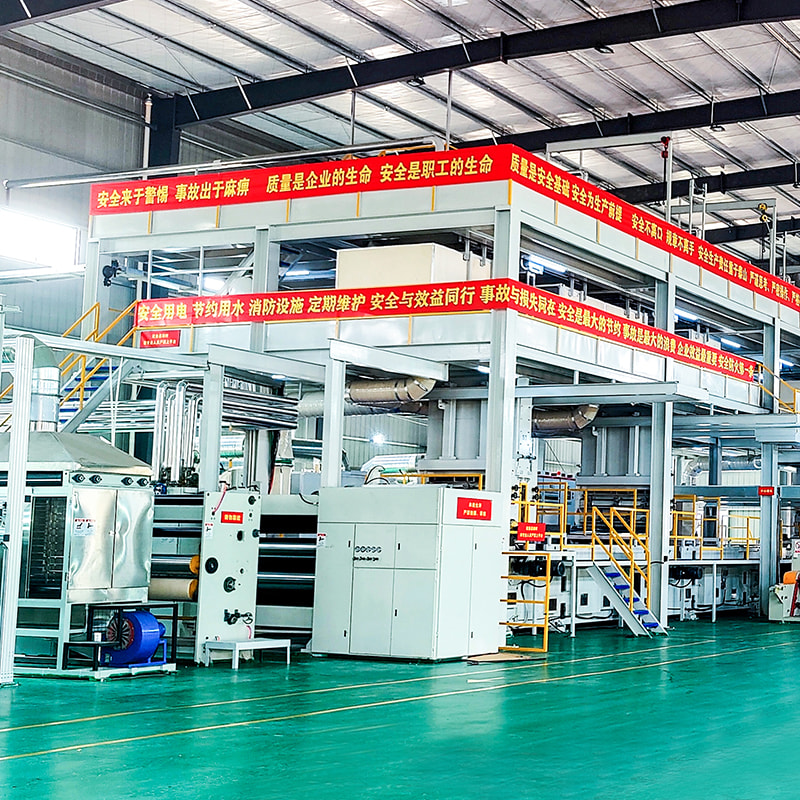
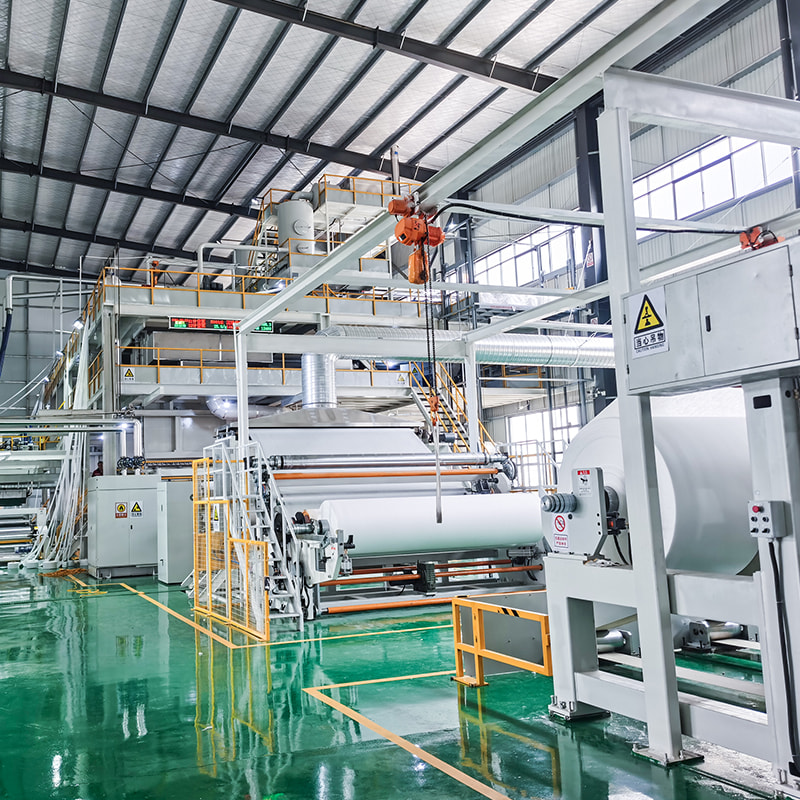
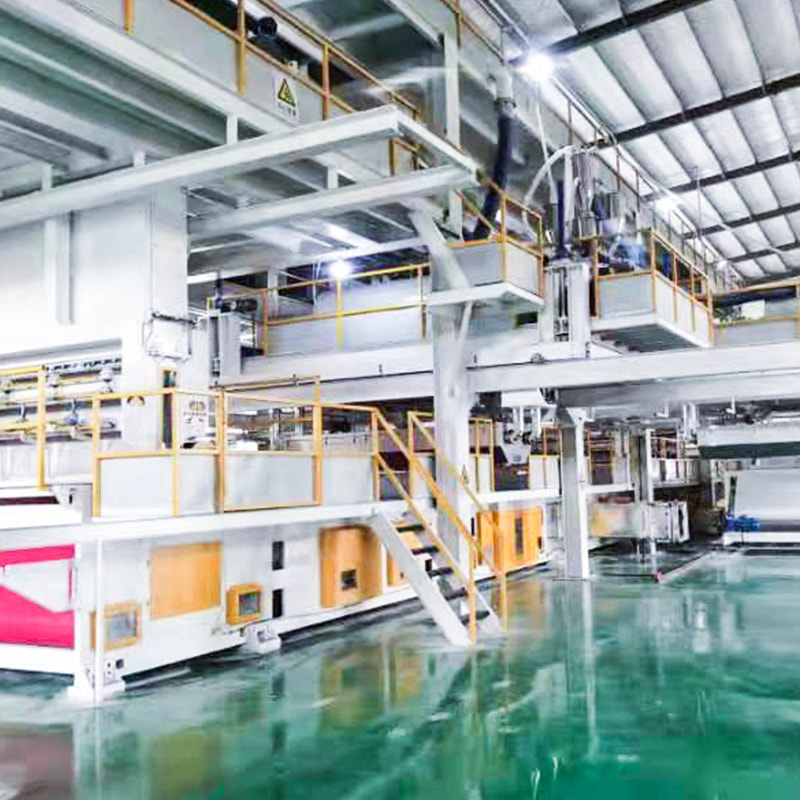
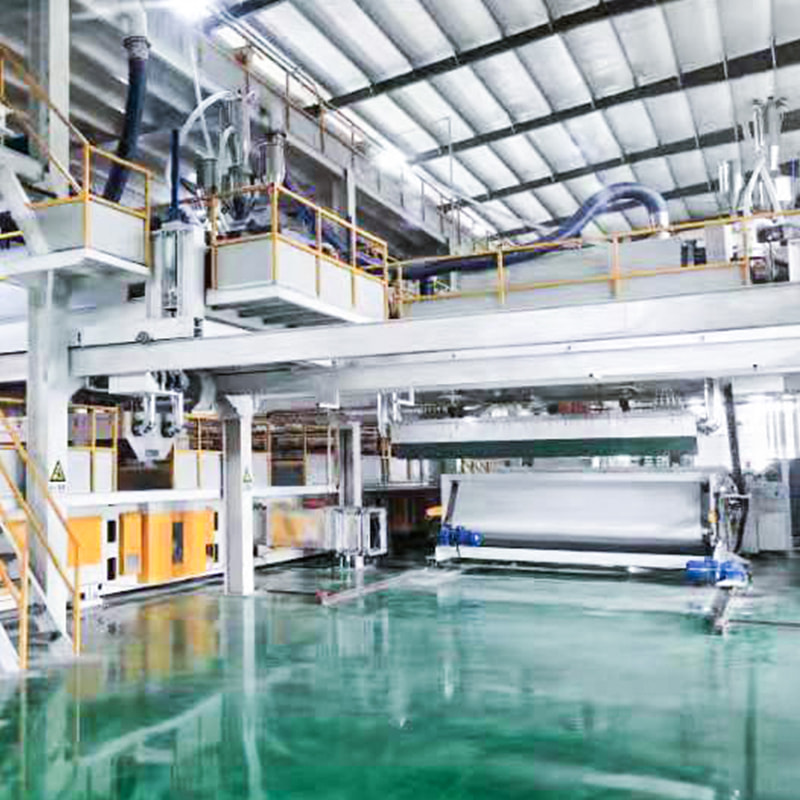
The production line determines how much flame retardant you can add before the process becomes unstable. A single-beam spunbond nonwoven machine is often enough for low-cost FR fabrics like shopping bags, agriculture covers, or automotive trim where the specification is measured in limited flame spread and moderate additive loading. The simpler process path makes cleaning and formulation changes easier.
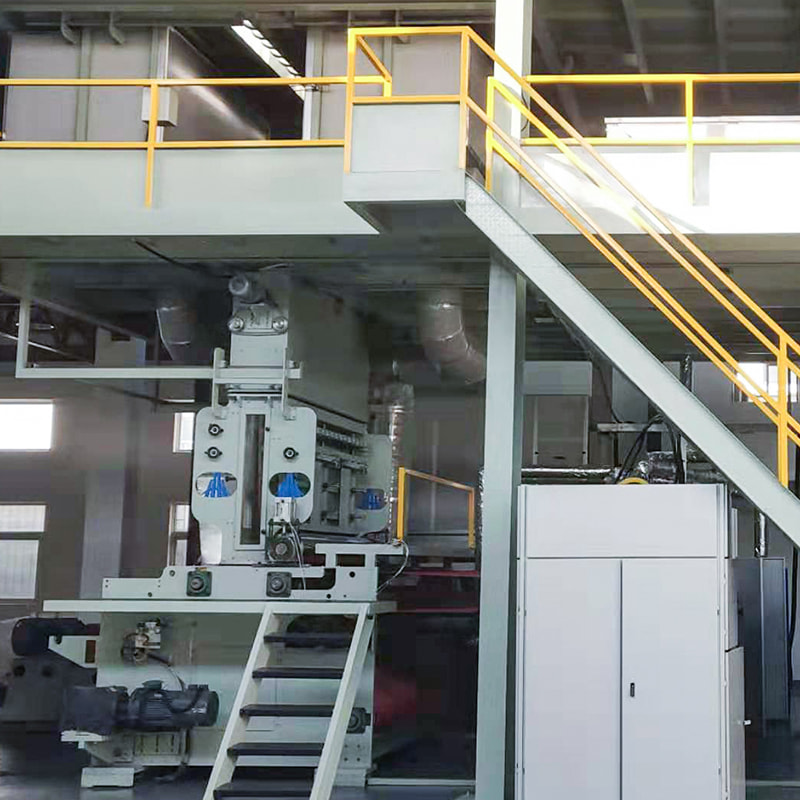 Single Beam Spunbond Nonwoven Machine, Production Line SuppliersJIASHAN HH Nonwovens Machinery CO., Ltd is China custom single beam spunbond nonwoven machine suppliers and OEM single beam nonwoven prod...View Product →
For higher-value FR applications such as bedding, seating, barriers, and protective apparel, a multilayer structure such as SMS or SMMS gives you more design freedom. A four-beam SMMS spunmelt nonwoven production line can keep the flame retardant masterbatch on specific layers while preserving filtration or hand-feel elsewhere. This layering approach reduces the total amount of additive required compared with treating every layer with the same loading.
Beam configuration affects process temperature, residence time, and cooling, all of which influence additive performance. Understanding how beam configurations affect production helps you decide where the FR function should be placed. If you are primarily producing ordinary fabrics, avoid buying extra beams just for one FR order; instead use a single-line trial and a validated masterbatch.
Practical Application and Testing
Flame retardant nonwovens are not a single product category. A car interior fabric may need FMVSS 302, which limits burn rate to less than 100 mm/min. A public building curtain may require EN 13501 B-s1,d0, which evaluates not only flammability but also smoke production and flaming droplets. A child's sofa cover might face TB 117. These standards are not interchangeable, and a masterbatch that passes one can fail another.
When you commission a line and choose a masterbatch, always test finished rolls rather than flat film. Nonwoven weight, density, and finishing treatments change the burn path. A very lightweight spunbond fabric may need more flame retardant per gram than a heavier one to achieve the same rating. Conversely, too much additive can create wicking channels that pull molten polymer into droplets. Thermal bonding temperature also matters; if the calender is too hot, flame retardant can volatilise near the surface without showing a visible defect.
The reliable route to a compliant flame retardant nonwoven is a combination of good masterbatch chemistry, proper dosing, and equipment that can process high additive loadings without losing web quality. Start with a validated masterbatch, test at target fabric weight, then check line stability before scaling. The right decision here prevents the most expensive problem in nonwovens: a finished roll that looks fine and burns fast.


 +8613621544385
 No.29 Xinhua Road, Jiashan Village,Jiaxing City Zhejiang P.R., China