

 English
 中文简体
中文简体 русский
 عربى
عربىHydrophilic Masterbatch: How It Works, Applications, and Production Considerations
Content
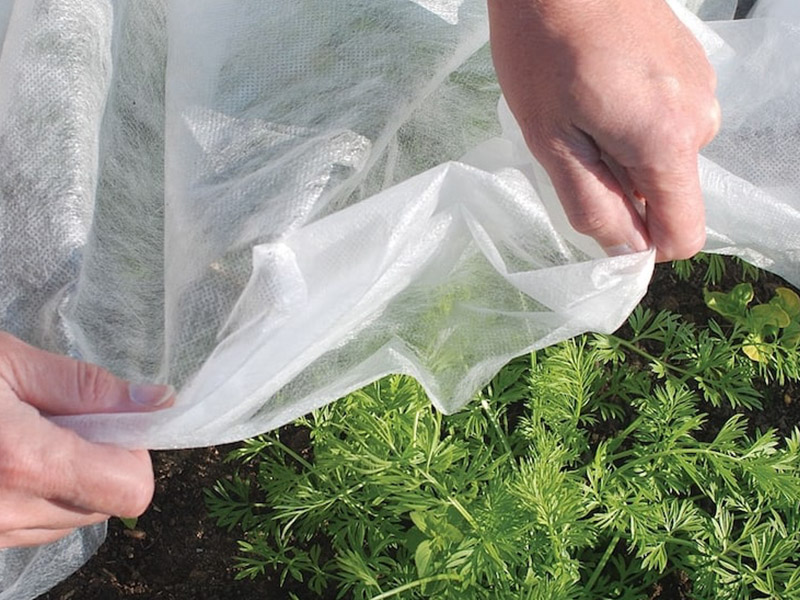
Every nonwoven producer hits the same wall at some point: the fabric looks right, feels right, but it refuses to wet out. A wipe sits on a test bench and beads up into droplets. A diaper liner lets liquid run off instead of pulling it through. The usual cause is easy to identify. Polypropylene is inherently hydrophobic, and unless the fiber surface is modified, the finished web will repel water. The standard fix, used across hygiene, medical, and wipes production, is hydrophilic masterbatch.
What Is Hydrophilic Masterbatch?
Hydrophilic masterbatch is a concentrated plastic compound that introduces water-attracting chemistry into a normally water-repellent polymer. It consists of a carrier resin, usually polypropylene or a polyolefin blend compatible with the base polymer, and one or more hydrophilic additives such as surfactants, wetting agents, or polar polymeric modifiers. The additive is dispersed in the carrier and later let down into the main polymer stream during extrusion. When the fiber is formed and cooled, a portion of the additive remains at or near the surface, lowering the surface energy enough for water to spread and pass through.
| Property | Standard PP Nonwoven | PP with Hydrophilic Masterbatch |
|---|---|---|
| Water contact angle | High, often above 100 degrees | Low, typically below 60 degrees after treatment |
| Strike-through time | Slow or incomplete | Fast, depending on dosage and fabric weight |
| Surface energy | Low, water repellent | Elevated, enables wetting and absorbency |
| Typical applications | Bags, packaging, geotextiles | Wipes, hygiene topsheets, medical drapes |
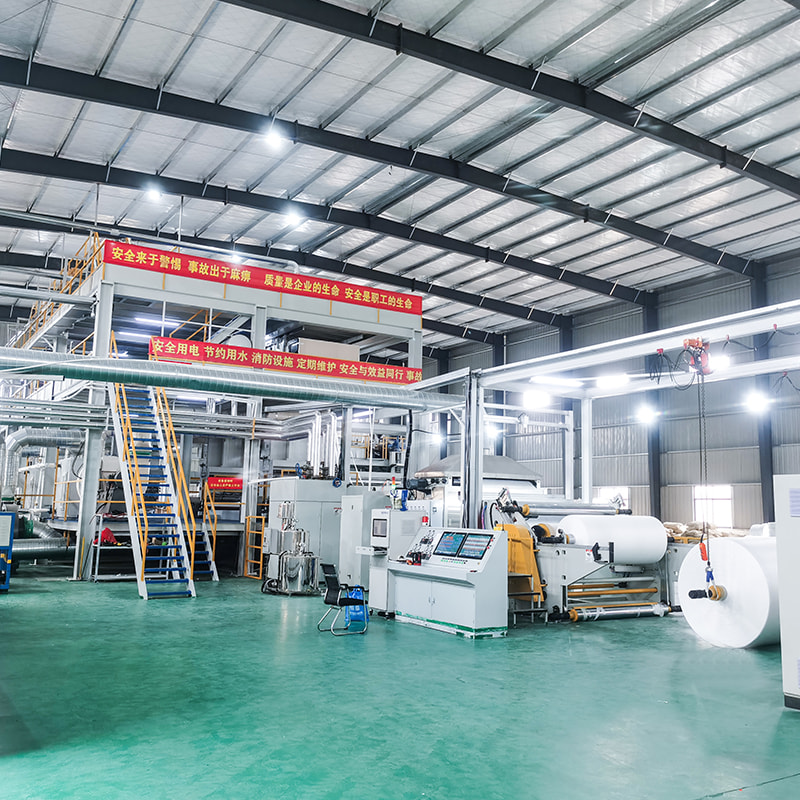
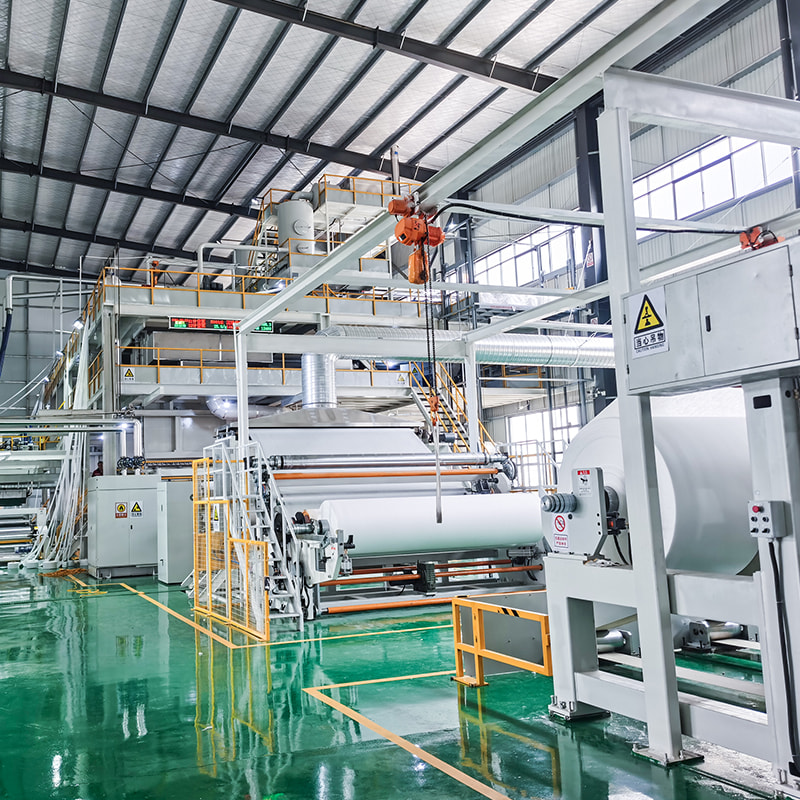
The dosage is not fixed. Most commercial formulations start in the range of 2 to 8 percent by weight, but the final level depends on target fabric weight, fiber fineness, line speed, and whether the product must remain hydrophilic after aging or sterilization. That is why trials matter more than datasheet promises. For producers who are new to functional nonwovens, a single-beam spunbond nonwoven machine is a practical platform for first trials: it is easier to control, simpler to purge, and still flexible enough to run a wide range of fabrics.
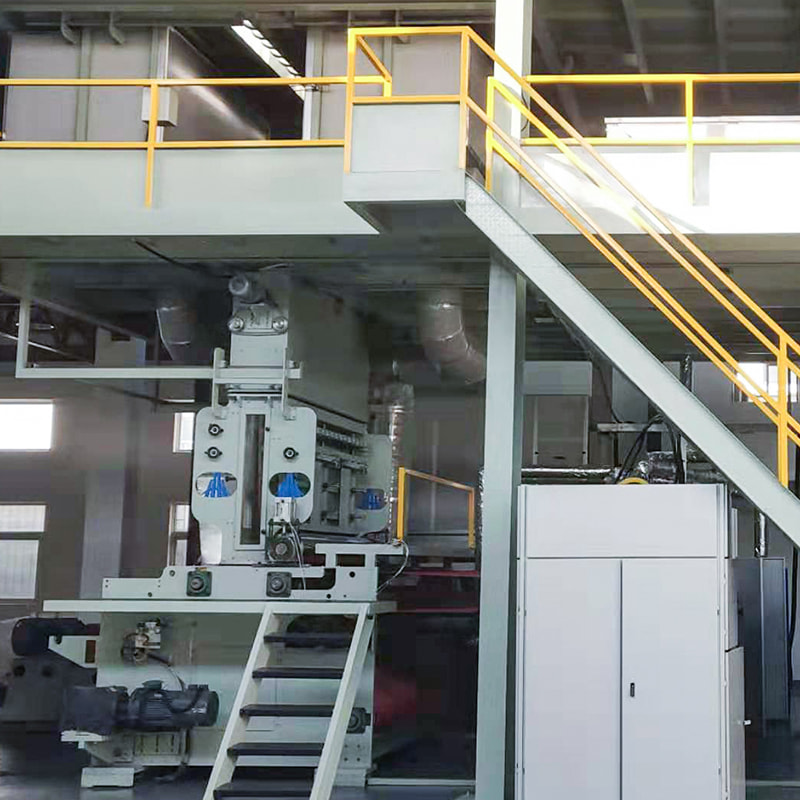 Single Beam Spunbond Nonwoven Machine, Production Line SuppliersJIASHAN HH Nonwovens Machinery CO., Ltd is China custom single beam spunbond nonwoven machine suppliers and OEM single beam nonwoven prod...View Product →
How Hydrophilic Masterbatch Works in Spunbond and Meltblown Lines
Masterbatch is normally added at the extrusion step through a gravimetric dosing system. The pellets are mixed with PP granules before entering the screw. Melt mixing has to be uniform; if the additive is not thoroughly dispersed, the web can develop patches that wet out unevenly. Temperature control matters just as much. Surfactants and other wetting agents can degrade when melt temperatures climb too high, so the machine should offer stable barrel and die temperatures rather than a single nominal setpoint.
The beam configuration changes how the masterbatch behaves. In a meltblown layer, fibers are far finer, so the surface area is large and the effect of a given additive dose is different. Fine fibers also cool quickly, which can influence additive migration. A line with multiple beams requires the masterbatch to be compatible with each layer's process settings. If the meltblown layer is overdosed, it may become too brittle; if underdosed, the fabric will not wet through.
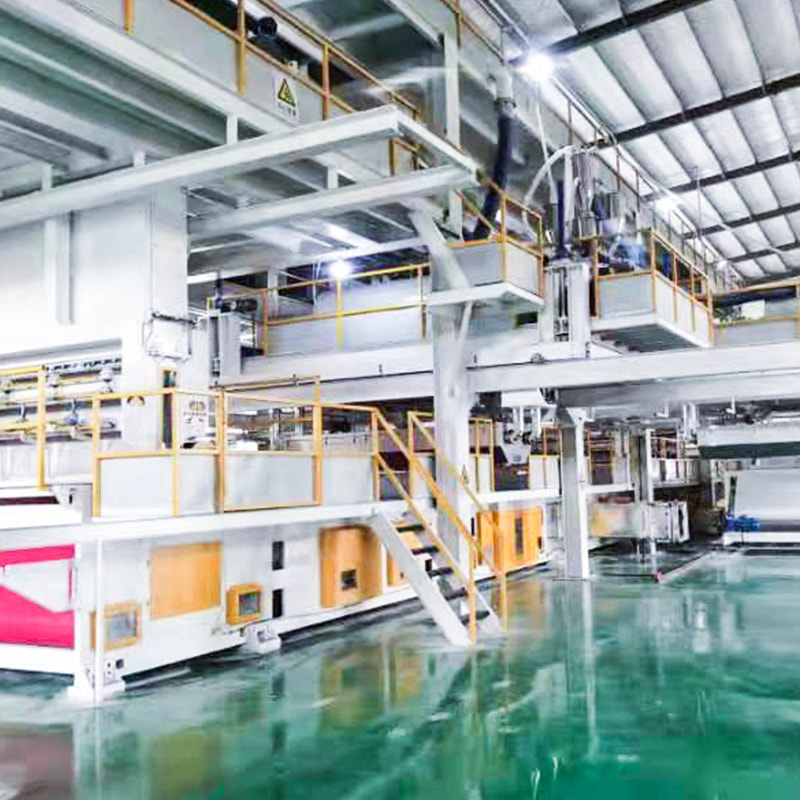
Beam configuration determines how much flexibility you have. Single-beam lines are simple and economical for products where the whole web carries the same hydrophilicity. For wipes and light hygiene fabrics, a double-beam spunbond nonwoven machine is a common choice because it combines high output with good coverage. When you add meltblown layers in SMS, SMMS, or SSMMSS structures, the issue becomes more complex but also more rewarding: the meltblown core can provide barrier performance while the spunbond layers control wettability.
Key Applications for Hydrophilic Nonwovens
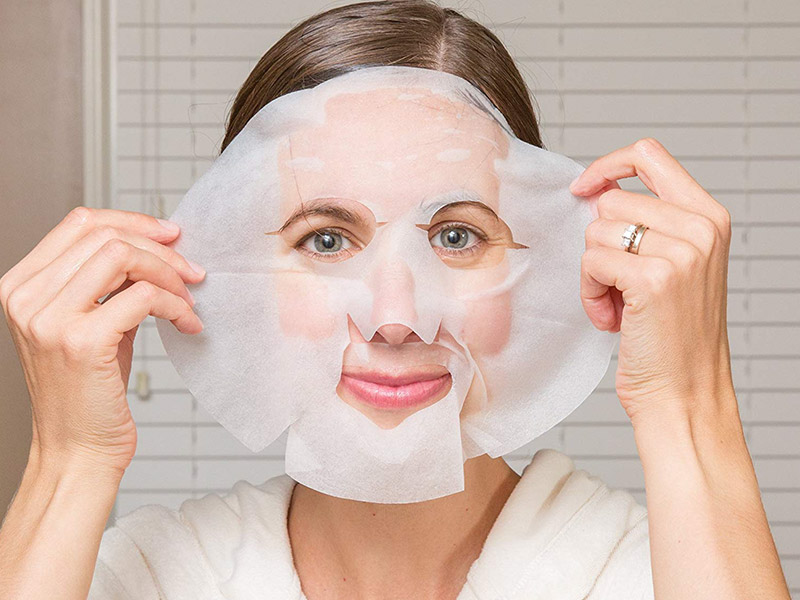
Hydrophilic masterbatch is rarely used because a customer asks for an additive. It is used because an end product must do something with liquid. In practice, hydrophilic nonwovens appear in several categories:
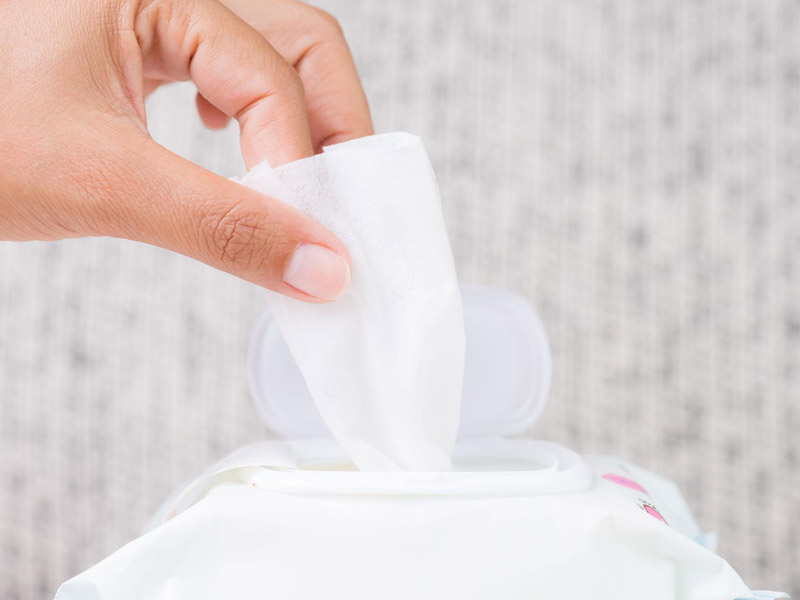
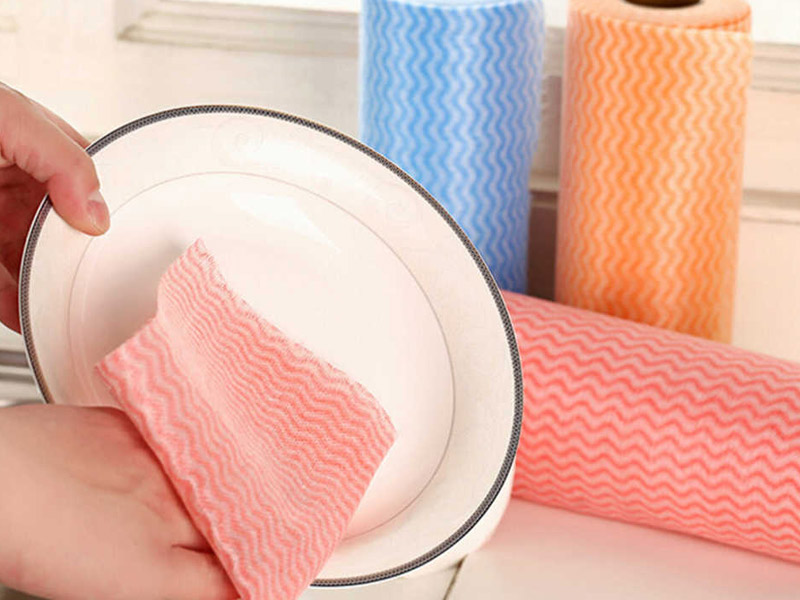
- Wet wipes and cleansing cloths, where the substrate must absorb liquid quickly and release it evenly.
- Diaper topsheets and acquisition distribution layers, where fast strike-through and low rewet are critical.
- Feminine hygiene products, which need controlled absorbency without surface wetness.
- Medical gowns, drapes, and wound dressings, where the fabric must resist fluid strike-through while remaining comfortable.
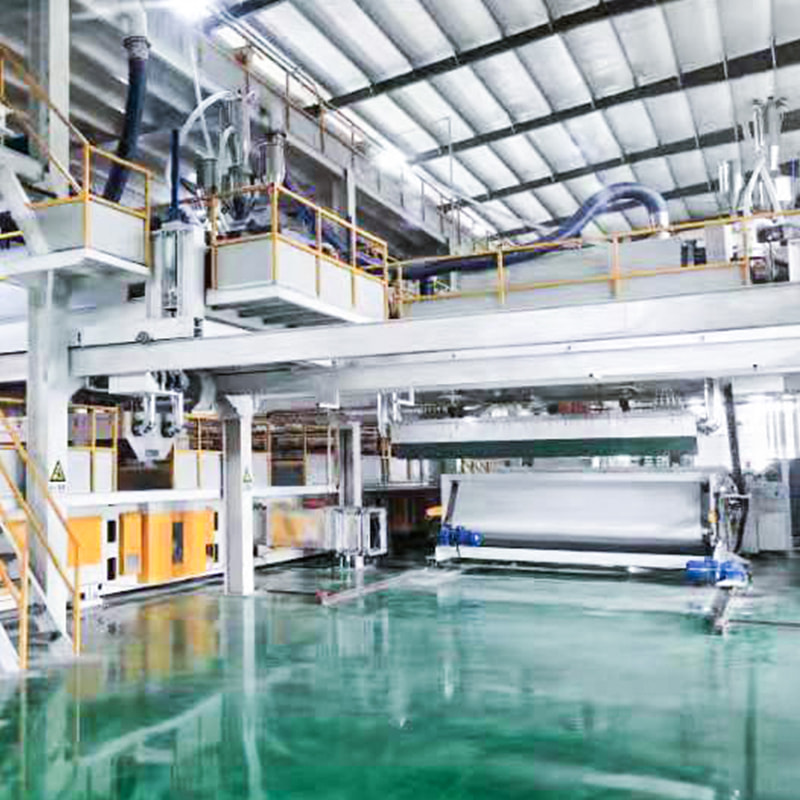
These applications do not all need the same chemistry or the same machine. A lightweight wipes fabric made on a spunbond line may only need a modest dose. A medical barrier fabric must balance hydrophilicity with repellency requirements that vary by standard. For producers aiming at both barrier and absorbency, an SMMS spunmelt nonwoven fabric machine is often the most direct route because it combines spunbond layers with a meltblown core, and each layer can run a different formulation.
What to Consider When Buying a Production Line for Hydrophilic Nonwovens
Hydrophilic masterbatch is not a plug-and-play material. It affects the whole line, from dosing to winding. When you evaluate equipment, keep these points on the list:
- Dosing accuracy. Loss-in-weight or gravimetric feeders give more stable dosing than volumetric screws.
- Screw and mixing design. A longer L/D ratio and additional mixing elements help disperse additives evenly without over-shearing the melt.
- Temperature control. The barrel, die, and meltblown air temperatures should be adjustable over a practical range without hot spots.
- Purge and cleaning access. Frequent product changes are normal in functional nonwovens, so accessibility of the die and spin packs matters.
- Compatibility with your masterbatch. The carrier resin should match the MFI of your base PP, and the supplier should be willing to run trials before the line is finalized.
It is worth asking how the equipment supplier has handled additives in previous projects. The relationship between additive chemistry and machine settings is explained in more detail in our technical guide to how additives enhance spunbond nonwoven fabrics. If a supplier cannot speak to that interaction, the machine will likely disappoint you after installation.
Dosing and Process Control in Practice
Most hydrophilic masterbatch producers recommend a starting dose in the range of 2 to 8 percent, but percent alone is not enough. A practical development route looks like this:
- Define the target performance: initial wettability only, or sustained absorbency after aging and handling.
- Select a masterbatch whose carrier resin is compatible with your PP grade and line temperatures.
- Run trials with several dose levels and record contact angle, strike-through time, and rewet.
- Adjust line speed, die temperature, and cooling settings to improve additive distribution.
- Validate the result against the finished product specification, not just against a lab coupon.
This seems straightforward, but it is easy to skip a step when production pressure is high. A line that is not designed with additives in mind will make these steps much harder.
Hydrophilic masterbatch is not a magic solution, but it is a proven, cost-effective way to move from commodity nonwovens into functional products. The key is to build the line around the chemistry instead of forcing the chemistry into the line after commissioning. If you are planning a new spunbond, SS, SMS, or SMMS project and need to know whether your target products are realistic on a given configuration, contact our engineering team with the fabric weight, application, and performance data. The answer usually comes down to machine design, dosing stability, and a few well-planned trials, and that is exactly where the right supplier makes the difference.


 +8613621544385
 No.29 Xinhua Road, Jiashan Village,Jiaxing City Zhejiang P.R., China