




 English
 中文简体
中文简体 русский
 عربى
عربىIndia Non Woven Fabric Market: Growth, Technology and Equipment Choices
Content
India's non woven fabric market has moved from the sidelines to the centre of the global technical textiles conversation. Production that stood at roughly 253,000 tonnes in 2013 now sits in the region of 354,000 tonnes a year, and industry estimates put annual volume growth at 8 to 10 percent. Add a young population, rising hygiene awareness, expanding hospital capacity and a sustained policy push behind domestic manufacturing, and the case for local nonwoven production becomes very hard to ignore. Whether you are a converter planning a first spunbond line or an established producer weighing a composite upgrade, the equipment decisions you take today will shape your cost position for the next decade.
India Non Woven Fabric Market at a Glance
Published forecasts for India differ noticeably, largely because research houses measure different things. Some track fabric roll goods only, others include converted products, and base years and forecast horizons vary from study to study. The figures below are shown with their original scope so you can read them side by side rather than averaging them into a single number.
| Indicator | Published figure |
|---|---|
| Market value, 2024 base | About USD 4.4 billion |
| Forecast value, 2030 | About USD 6.8 billion |
| Alternative forecast path | USD 2.37 billion in 2025 rising to USD 4.5 billion by 2035 |
| Reported compound annual growth rate | Roughly 6.6 percent in value terms, with 8 to 10 percent cited for volume |
| Estimated annual production | Around 354,000 tonnes, up from about 253,000 tonnes in 2013 |
| Largest material by volume | Polypropylene |
| Largest technology segment | Spunbond |
| Fastest growing application areas | Medical textiles and packaging, with hygiene still the largest |
Two patterns stand out. First, volume growth has been steady rather than explosive, which is typical of a market building genuine industrial capacity instead of chasing a single short-lived spike. Second, the mix is shifting upward in quality. Plain single-layer fabric still dominates tonnage, but demand for barrier properties, softness and consistent filtration performance is pulling investment toward multi-beam spunmelt lines.
What Is Driving Demand in India
The demand side of the India non woven fabric market is unusually broad, which is precisely why it has proven resilient. The main engines are:
- Hygiene and personal care: diapers, sanitary pads and adult incontinence products, where penetration is still low relative to population size.
- Medical and healthcare: surgical drapes, gowns, masks, wound care and sterile packaging.
- Packaging and retail: reusable shopping bags, carrier bags and protective wraps.
- Agriculture and horticulture: crop covers, weed control fabrics and shade nets.
- Infrastructure and filtration: geotextiles, drainage media, air and liquid filtration.
- Automotive and industrial: cabin filters, trunk liners, insulation and backing materials.
Hygiene remains the single largest application, and it is also the most predictable, because consumption is tied to birth rates, urbanisation and retail distribution rather than to construction cycles. Medical textiles are smaller but growing faster, driven by hospital expansion, stricter infection control expectations and the growth of domestic mask and gown manufacturing after recent global supply shocks. Packaging is the quiet overachiever: the shift away from single-use plastic carry bags has created durable demand for spunbond bag fabric, and it is one of the easiest segments for a new producer to enter because specifications are relatively forgiving.
Government support matters too. Policy incentives for technical textiles, textile parks and domestic manufacturing have lowered the effective cost of setting up capacity, while public procurement in healthcare and infrastructure has given local producers a dependable domestic buyer. In parallel, quality expectations are tightening, and buyers increasingly ask for documented test results rather than verbal assurances.
Where Spunbond and Meltblown Fit in the Indian Production Mix
Every equipment decision in this market comes back to one question: which fibre layering does the end product actually require? The answer usually sits somewhere between a single spunbond beam and a five-beam composite line.
Spunbond carries the volume
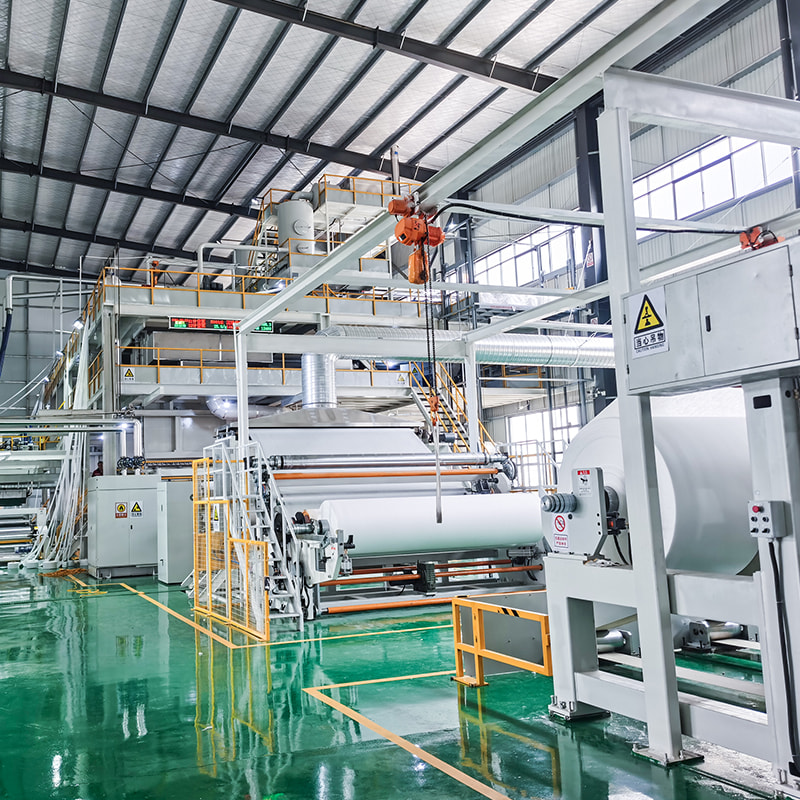
Spunbond is the largest technology segment in India and will remain so, because it produces the base fabric for bags, packaging, hygiene backsheets, agricultural covers and furniture applications at the lowest cost per kilogram. A well-run single-beam line with high output and low fibre denier is often the most sensible entry point for a producer who needs to establish volume, learn the process and build a customer base before adding complexity.
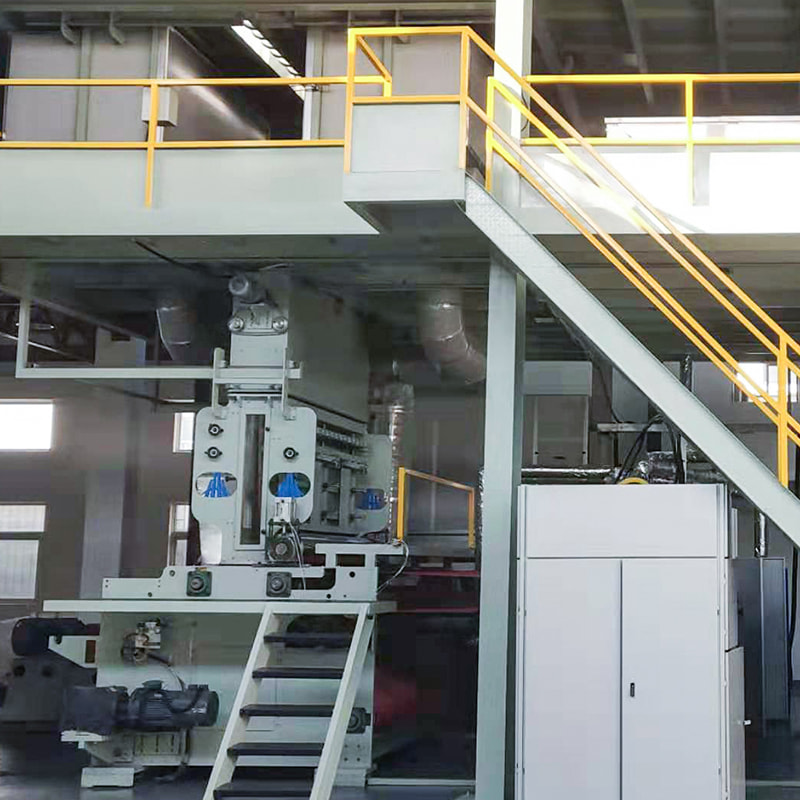 S nonwoven fabric making machineSupply Ability:4 SETS/monthView Product →
Meltblown is small but strategic
Meltblown is the fastest growing technology segment from a low base. Its ultra-fine fibres deliver the filtration and barrier performance that medical, hygiene and air filtration products depend on, and India's mask, respirator and filter industries have made that demand permanent rather than temporary. Producers who control their own meltblown capacity are far less exposed to imported roll goods and to price volatility during demand spikes.
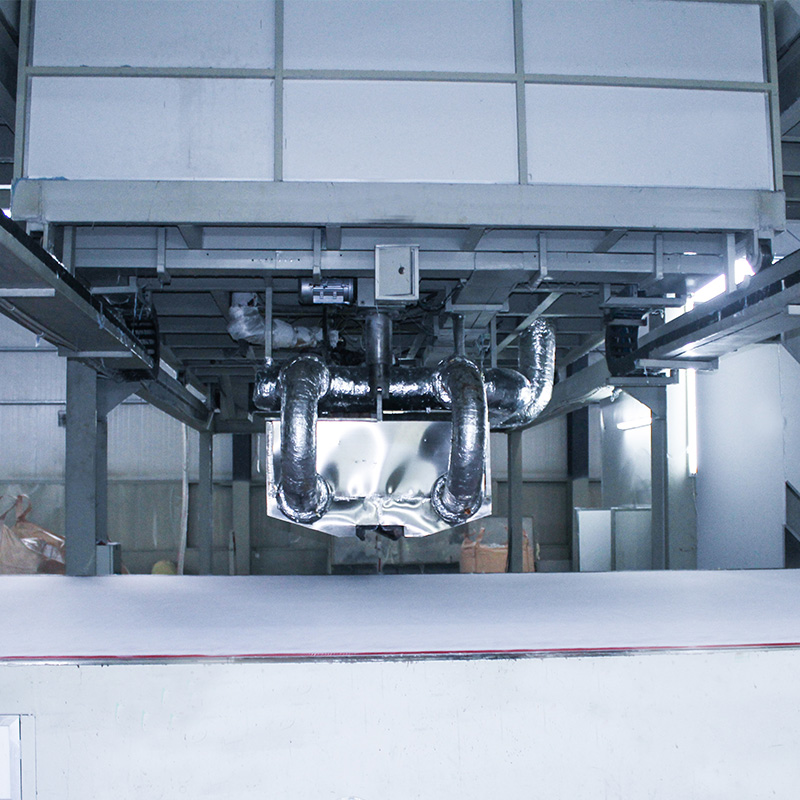 Melt blown nonwoven machineMACHINE SPEED:10-70 M/MINView Product →
Composite lines move up the value chain
Once a producer is comfortable with single-layer output, SMS is the natural next step. Combining spunbond outer layers with a meltblown core delivers barrier properties, softness and strength in one fabric, which is exactly what surgical gowns, drapes and premium hygiene products require. For suppliers targeting hospital groups and branded hygiene converters, SMS capability is often the threshold that decides whether they can bid at all.
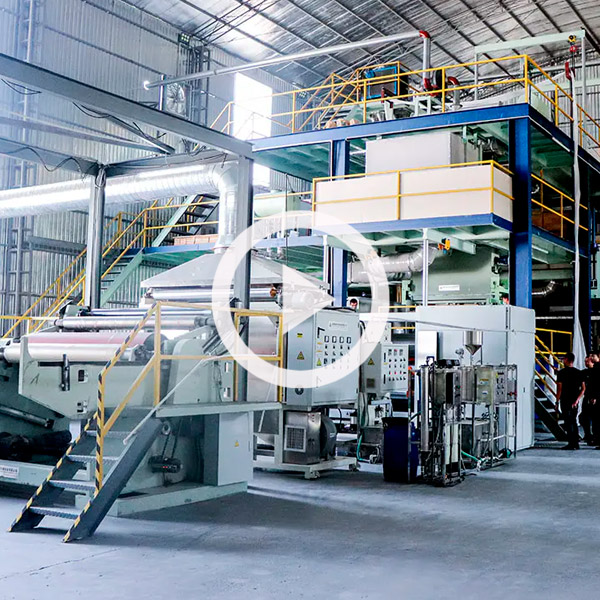 pp SMS machineSupply Ability:4 SETS/monthView Product →
Choosing the Right Line for Indian Production Conditions
Equipment that performs well in a showroom does not always perform well in a real factory. The table below summarises how the common beam configurations differ in practice, which is usually the fastest way to narrow the shortlist.
| Configuration | Fabric structure | Typical applications |
|---|---|---|
| S | Single spunbond layer | Bags, packaging, agriculture, furniture backing |
| SS | Two spunbond layers | Hygiene backsheets, wipes, general purpose fabric |
| SSS | Three spunbond layers | Higher strength hygiene, medical outer layers |
| SMS | Spunbond, meltblown, spunbond | Surgical gowns, drapes, protective apparel |
| SMMS | Two meltblown cores between spunbond layers | Sterile packaging, high barrier medical products |
| SMMSS | Five-layer composite | Premium medical and filtration applications |
Beyond structure, six practical factors tend to decide whether a line succeeds in India:
- Working width: 1600 mm, 2400 mm, 3200 mm, 4000 mm and 4200 mm are the common options, and the right choice depends on your target product mix rather than on headline output alone.
- Grammage range: a line that cannot hold tight tolerances at low grammage will struggle with demanding hygiene customers.
- Fibre denier control: fine, consistent filaments translate directly into softer fabric and better barrier performance.
- Automation: PLC control with touchscreen operation reduces dependence on highly experienced operators and keeps recipes repeatable across shifts.
- Raw material flexibility: polypropylene homopolymer remains the workhorse, with melt flow index typically in the 30 to 40 range for spunbond, but the ability to adjust for different granule grades protects your margins when supply shifts.
- Service and spares: installation, calibration, operator training and responsive spare parts supply matter more than a marginal difference in quoted speed.
Partnering With an Equipment Supplier Who Knows India
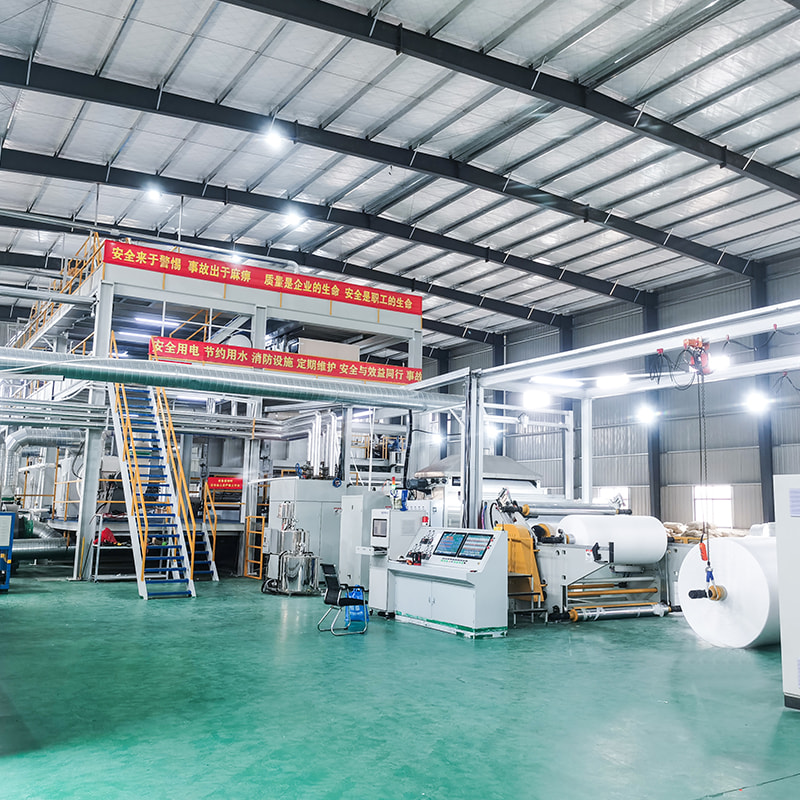
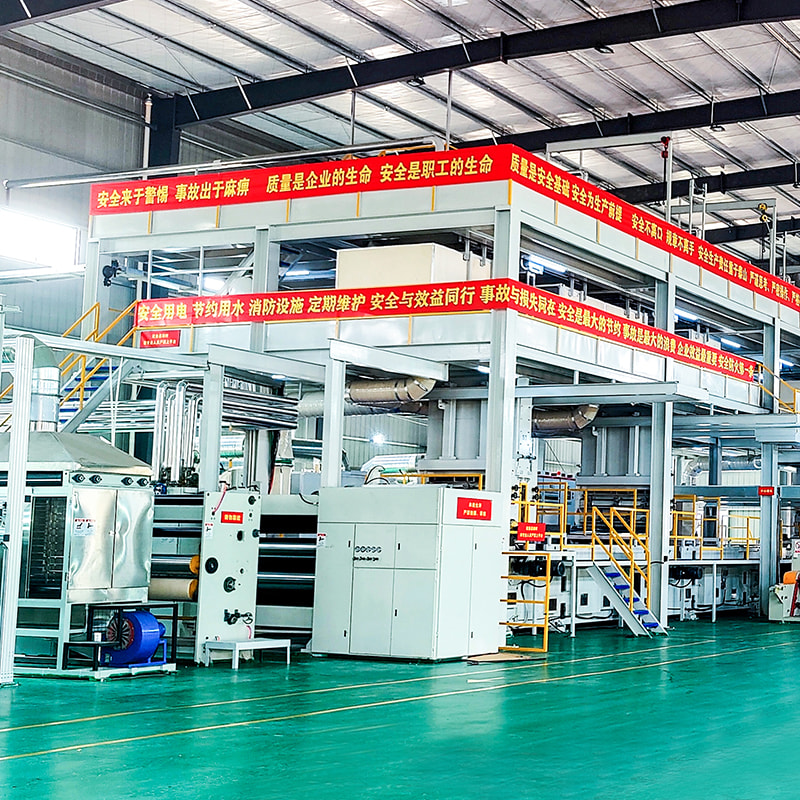
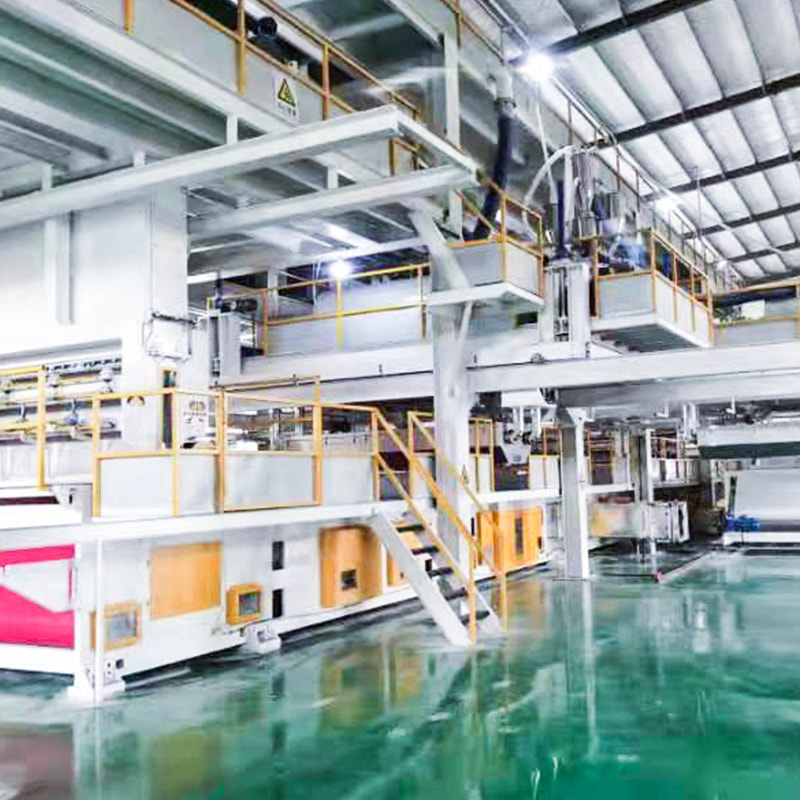
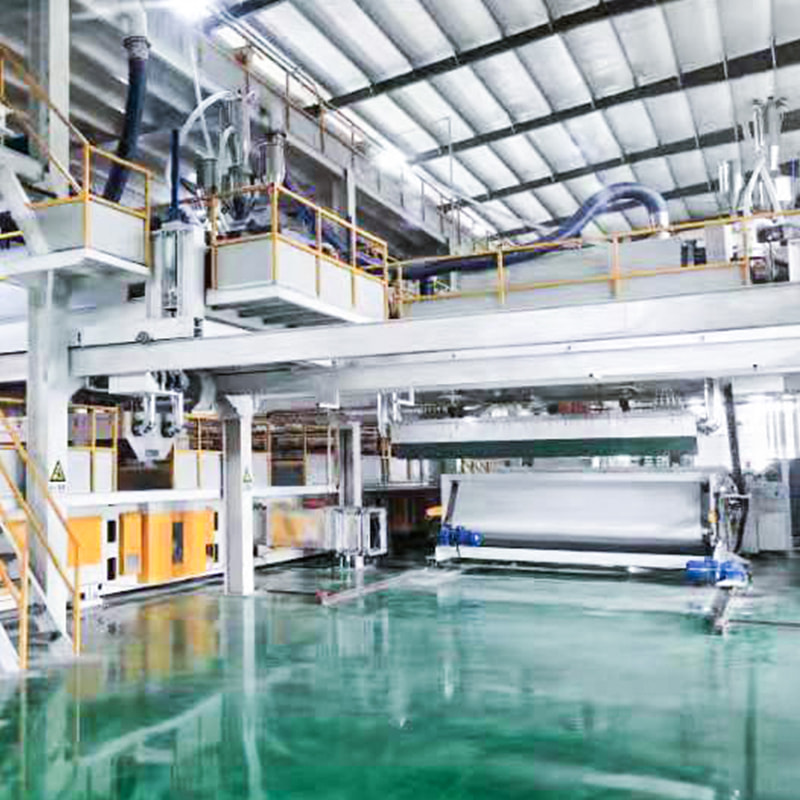
We build spunbond and meltblown production lines for exactly this kind of market. JIASHAN HH Nonwovens Machinery Co., Ltd., working alongside our associated operation in Chuzhou, manufactures complete PP spunbond and meltblown equipment covering single-beam S, dual-beam SS, triple-beam SSS, SMS, SMMS, SMMSS and standalone meltblown lines, with standard working widths from 1600 mm to 4200 mm. Our machines use PLC-based control with touchscreen operation and well-known brand control components, and both the main equipment and auxiliary units can be configured around your specific process requirements.
India is a market we know well. Our lines have been supplied to producers in India as well as Pakistan, Turkey, Russia, Australia and across China, and our documentation and support are available in English, Chinese, Russian and Arabic. That experience matters at the practical moments: commissioning, operator training, troubleshooting a spinning issue at two in the morning, or expanding a line two years later. You can read more about our company and how we work with overseas producers.
Outlook for the India Non Woven Fabric Market
The next five years are likely to reward producers who invest in capability rather than only in capacity. Hygiene will keep growing steadily, medical and filtration will grow faster from a smaller base, and packaging will remain the most accessible entry point for new manufacturers. At the same time, buyers are becoming more technical: they ask about barrier performance, grammage consistency and test documentation, not just price per kilogram.
That shift favours equipment that can produce multiple fabric structures without a rebuild. A line chosen for flexibility, with the beam count and meltblown capability to move between products, will serve its owner better than one optimised for a single commodity fabric. If you are evaluating options for the Indian market, we are happy to talk through widths, structures and configurations against your target products, so please contact our team with your requirements.


 +8613621544385
 No.29 Xinhua Road, Jiashan Village,Jiaxing City Zhejiang P.R., China