

 English
 中文简体
中文简体 русский
 عربى
عربىMeltblown Nonwoven Fabric Guide: Properties, Applications & Cost Comparison
Content
- 1 What Is Meltblown Nonwoven Fabric? (Definition & Production Process)
- 2 Meltblown vs. Spunbond vs. SMS: A Technical & Cost Comparison
- 3 Key Properties of Meltblown Nonwoven (with Data)
- 4 Top 7 Applications of Meltblown Nonwoven (2025 Update)
- 5 How to Choose the Right Meltblown Material: PP, PLA, Nylon, or Polyester?
- 6 Production Parameters That Affect Meltblown Quality
- 7 Sustainability Trends in Meltblown Nonwoven (PLA, rPET, & Circular Economy)
- 8 How to Evaluate Meltblown Nonwoven Suppliers (5-Step Checklist)
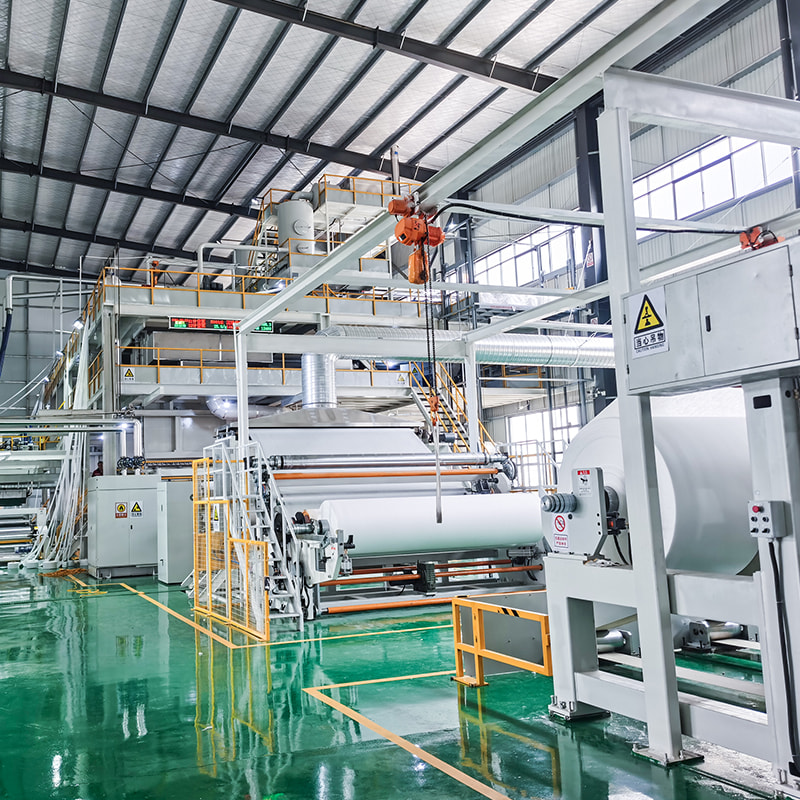
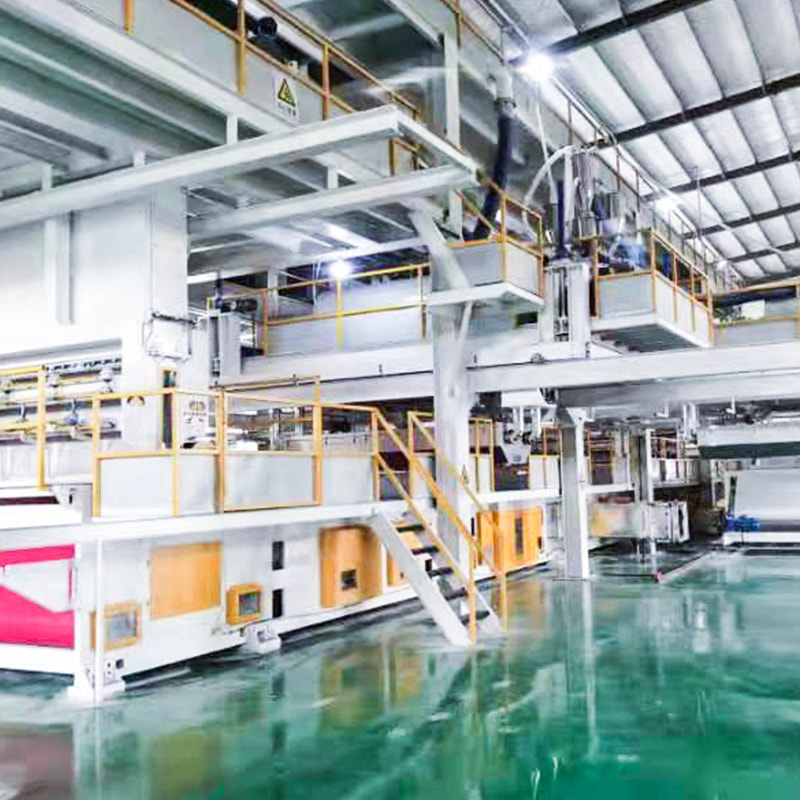
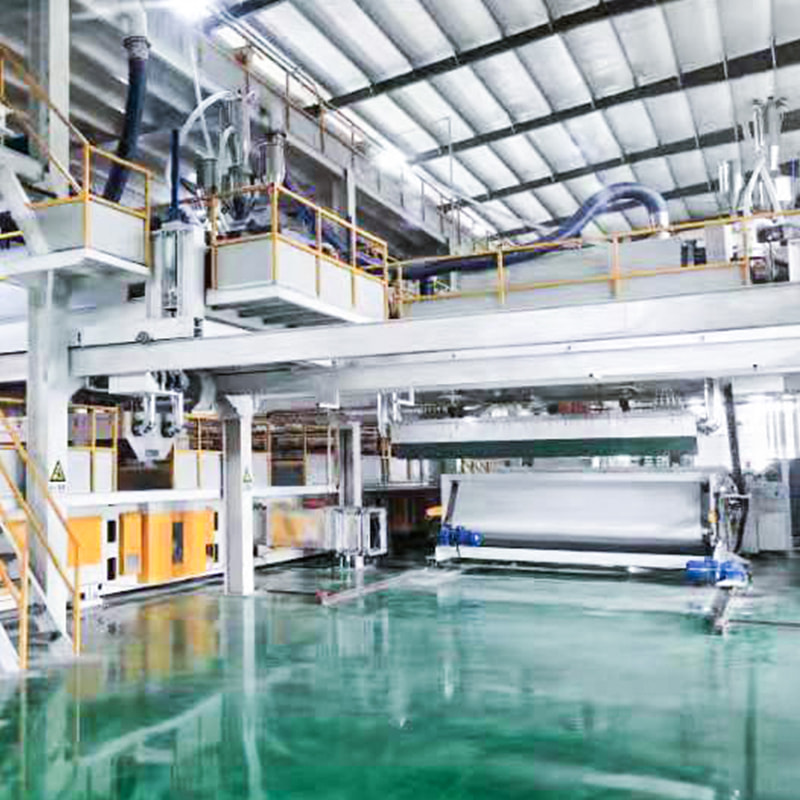
In 2024, a single meltblown production line in China running 24/7 could churn out roughly 1.2 tons of fabric per day — enough to supply filter media for over 300,000 N95 respirators. That scale alone tells you why this material dominates high-efficiency filtration, but the real story lies in the microns. Meltblown nonwoven fabrics owe their performance to fibers so fine that 200 of them bundled together would barely match the width of a human hair. This article unpacks what sets those fibers apart, how they stack up against spunbond and SMS materials, and what you need to know before sourcing meltblown for your next application.
What Is Meltblown Nonwoven Fabric? (Definition & Production Process)
Meltblown nonwoven is a sheet-like structure composed of randomly deposited microfibers, typically 1–5 µm in diameter. The fabric is produced directly from a thermoplastic polymer — most often polypropylene (PP) — without the need for carding or spinning. The process rapidly extrudes, attenuates, and cools the fibers, creating a self-bonded web with exceptionally high surface area per unit weight. That combination of fine diameter and random laydown is what makes meltblown the backbone of filtration, absorbency, and barrier applications.
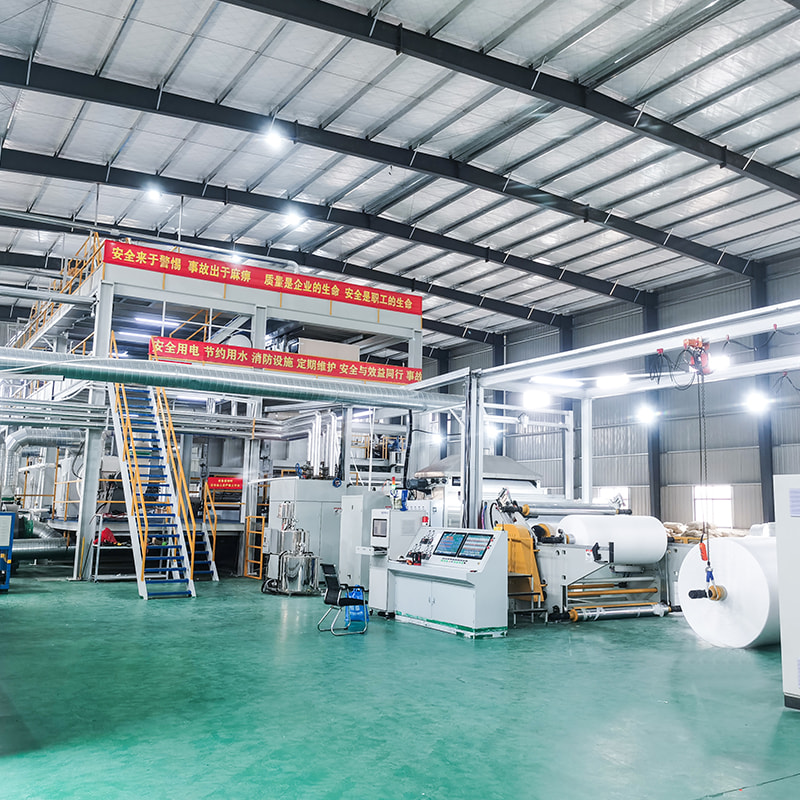
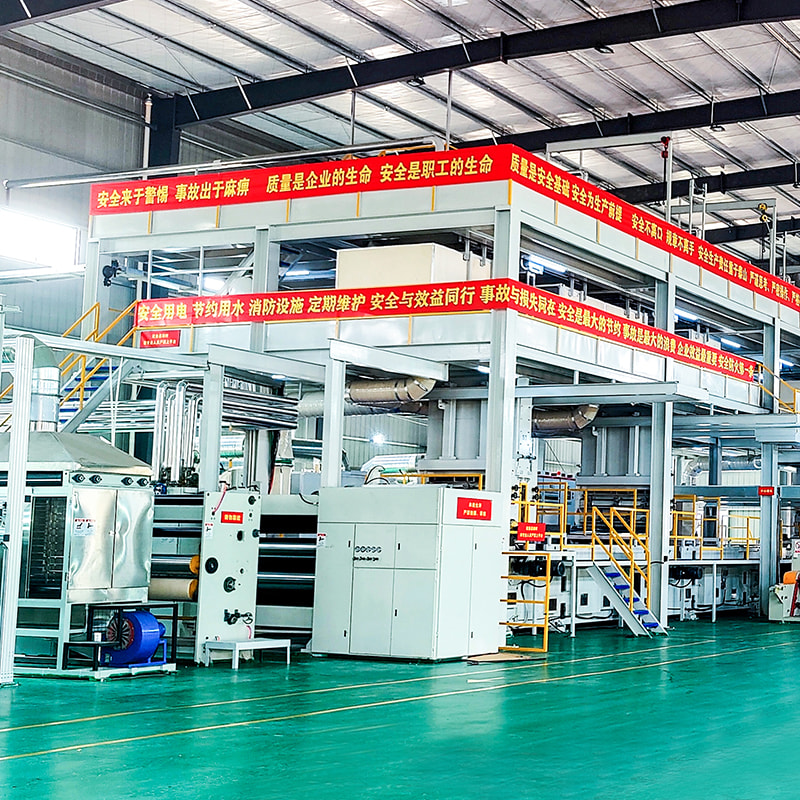
Production follows six tightly controlled steps. First, polymer pellets are melted inside an extruder at temperatures between 200°C and 300°C, depending on the resin. The melt is then pumped through a die with hundreds of tiny orifices, where high-velocity hot air (typically 250–350°C) strikes the polymer streams to draw them into continuous microfilaments. These filaments deposit onto a moving collector screen to form a web, with the collector distance (DCD) influencing fiber diameter and bonding. A thermal calendaring or hot-roll embossing step binds the fibers together, and the cloth is finally wound into rolls. Key parameters like melt temperature, air speed, and DCD directly determine the fabric’s uniformity and weight, a topic we’ll dissect in detail later.
- Polymer melting & filtration
- Fiber extrusion through micro-nozzles
- High-speed hot air drawing
- Fiber laydown on collector screen
- Thermal bonding or calendaring
- Winding and slitting
Meltblown vs. Spunbond vs. SMS: A Technical & Cost Comparison
The choice between meltblown, spunbond, and SMS (spunbond-meltblown-spunbond) often comes down to a trade-off between filtration efficiency and mechanical strength. Spunbond delivers high tensile strength and stitch-bond durability at low cost, but its filament diameter — commonly 15–25 µm — limits fine particle capture. Meltblown, with fibers an order of magnitude finer, excels at capturing submicron particles but is physically fragile on its own. SMS composites sandwich the meltblown layer between two spunbond layers, marrying the best of both worlds.
Cost-wise, meltblown typically runs 20–40% higher per square meter than standard spunbond polypropylene, largely because of lower throughput per line and higher energy consumption. A typical spunbond beam can produce 200–400 kg/h, whereas a meltblown line of similar width might output 60–120 kg/h. However, when filter efficiency is the priority — such as in medical face masks or HEPA media — the cost gap is justified by performance that spunbond alone simply cannot achieve.
| Property | Meltblown | Spunbond | SMS |
|---|---|---|---|
| Fiber diameter (µm) | 1–5 | 15–25 | Outer: 15–25, Core: 1–5 |
| Filtration efficiency (0.3 µm NaCl, %) | 85–99+ | 10–35 | 50–95 |
| Tensile strength MD (N/5 cm) | 10–40 | 80–150 | 60–120 |
| Typical line output (kg/h/m width) | 60–120 | 200–400 | 180–300 |
| Relative cost per m² | $$ | $ | $$ |
Key Properties of Meltblown Nonwoven (with Data)
Performance data matters more than marketing claims. A meltblown grade specified for N95 face masks, for example, must deliver consistent NaCl aerosol filtration at 85 L/min flow rate, with a pressure drop below a defined threshold. The table below captures the quantitative ranges you’ll encounter in commercial meltblown materials, spanning light-weight wipes to heavy battery separators.
| Property | Typical Value Range | Test Method |
|---|---|---|
| Basis weight | 10–200 g/m² | ISO 9073-1 |
| Fiber diameter | 1–5 µm | SEM image analysis |
| Mean pore size | 5–40 µm | Capillary flow porometry |
| Air permeability | 50–500 L/m²/s @ 200 Pa | ASTM D737 |
| Filtration efficiency (0.3 µm) | 60–99.5% | ASTM F2100 / NaCl aerosol |
| Pressure drop (ΔP) | 10–80 Pa @ 5.3 cm/s | ASTM F2100 |
| Oil absorbency (for sorbent grades) | 10–25 g oil/g fabric | ASTM F726 |
The most critical metric for respirator applications is the balance between filtration efficiency and breathing resistance. A meltblown with 99% PFE but a pressure drop above 50 Pa at rated flow will fail most respiratory standards. This is why electret treatment — applying a persistent electrostatic charge to the fibers — is nearly universal for medical-grade meltblown: it boosts particle capture without increasing air resistance.
Top 7 Applications of Meltblown Nonwoven (2025 Update)
Meltblown fabric no longer lives only in face masks and oil spills. Its footprint is expanding into hard-tech sectors because it offers a unique combination of controlled porosity and extremely fine fiber networks. Here are seven application areas where meltblown is either dominant or rapidly gaining ground.
- Respirators & surgical masks: The core filtration layer in N95, KN95, and FFP2 masks relies on electret-charged PP meltblown to achieve ≥95% particle filtration. Without it, masks become simple face covers.
- HEPA and HVAC filters: Meltblown laminates with one or more layers serve as pleated filter media in standalone air purifiers and residential HVAC systems, capturing pollen, mold spores, and ultrafine PM2.5.
- Oil sorbents: Hydrophobic PP meltblown mats can absorb 15–25 times their weight in oil while repelling water, making them standard equipment for marine spill response and industrial oil cleanup.
- Lithium-ion battery separators: Nano-porous meltblown membranes electrically isolate the anode from the cathode while allowing ionic transport, a function critical to battery safety and cycle life.
- Building waterproof breathable membranes: Used in house wrap and roofing underlayments, meltblown layers block liquid water while permitting water vapor to escape, reducing condensation risk.
- Medical dressings & surgical gowns: Combinations of meltblown and spunbond create soft, barrier-effective fabrics that prevent strike-through while maintaining comfort.
- Cleanroom wipes: Ultra-low-linting meltblown wipes remove contamination from sensitive surfaces in semiconductor and pharmaceutical manufacturing without leaving fibers behind.
How to Choose the Right Meltblown Material: PP, PLA, Nylon, or Polyester?
Polypropylene is the default choice for meltblown because it processes easily, is inexpensive, and delivers excellent electret charge stability. But it has limits. Under continuous exposure above 100°C, PP softens and loses mechanical integrity. If your application demands high-temperature resistance, biodegradability, or specific surface chemistry, the decision matrix below will guide you toward the right resin.
| Material | Max service temp (°C) | Biodegradable | Relative cost | Filtration efficiency potential |
|---|---|---|---|---|
| Polypropylene (PP) | ~100 | No | $ | Very high (with electret treatment) |
| PLA (polylactic acid) | ~60 | Yes (industrial compost) | $$ | Moderate; weaker charge stability |
| Nylon 6 / 66 | ~150 | No | $$$ | High; naturally hydrophilic |
| Polyester (PET) | ~120 | No | $$ | Moderate–high; durable fibers |
Nylon meltblown stands out when both heat resistance and inherent wettability are required, as in liquid filtration or medical diagnostic media. PLA, while appealing for sustainability, currently struggles to match PP’s electret performance, making it less suitable for high-efficiency respirators but viable for compostable oil sorbents or agricultural mulches.
Production Parameters That Affect Meltblown Quality
You can buy the same PP resin that a competitor uses and still end up with fabric that fails filtration spec. The difference is in the process parameters. Four dials — melt temperature, hot air velocity, die-to-collector distance (DCD), and polymer throughput — interact in ways that define fiber diameter distribution and web uniformity.
| Parameter | Typical range | Impact of increasing parameter |
|---|---|---|
| Melt temperature | 200–290°C | Reduces fiber diameter; risk of thermal degradation above 300°C |
| Hot air velocity | 100–300 m/s | Finer fibers; excessive velocity causes fiber breakage and fly |
| DCD | 100–300 mm | Larger distance increases pore size and reduces bonding; shorter DCD yields denser structure |
| Throughput | 0.2–0.8 g/hole/min | Higher throughput increases fiber diameter and reduces uniformity |
Operators often walk a tightrope between throughput and quality. Pushing the line to 0.6 g/hole/min may double output, but if the mean fiber diameter climbs from 2 µm to 3.5 µm, the filtration efficiency at 0.3 µm can drop by 10 percentage points or more. Consistent quality control requires real-time monitoring of web weight and air permeability, not just visual inspection.
Sustainability Trends in Meltblown Nonwoven (PLA, rPET, & Circular Economy)
The nonwoven industry has a polypropylene problem: most meltblown media are single-use and petroleum-derived. In response, R&D teams are pushing three main pathways toward circularity. PLA meltblown has reached limited commercial scale, primarily in Asia, for compostable wipes and tea bag applications. Recycled PET (rPET) fibers are being spun into meltblown-like structures using modified processes, though achieving the fiber fineness of virgin PP remains difficult. More promising in the short term is the growing availability of ISCC PLUS-certified circular PP — polypropylene made from chemically recycled feedstocks that can drop directly into existing meltblown lines without process changes.
- PLA meltblown: Commercially available in basis weights 20–80 g/m²; used for compostable masks and oil sorbents, but still about 2× the cost of PP.
- rPET meltblown: Pilot-scale production only; fiber diameters typically >5 µm due to higher melt viscosity, limiting high-efficiency filtration.
- Circular PP: Commercial availability expanding; mass-balance certified grades now offered by major polymer suppliers.
- PHA (polyhydroxyalkanoate): Lab-scale trials show marine-biodegradable potential, but meltblown processability remains a hurdle.
How to Evaluate Meltblown Nonwoven Suppliers (5-Step Checklist)
Not all meltblown is equal, even when spec sheets look identical. A supplier with ISO 9001 certification but no in-house electret charging equipment may ship fabric that loses 20% of its filtration efficiency within two weeks. Use this five-step evaluation framework when shortlisting partners.
- Certifications & test reports: Require current ASTM F2100 or EN 149 test data from an accredited lab. Demand batch-level reports, not just a one-time qualification sample.
- In-line process control: Ask whether the line includes web basis weight scanners, camera-based defect detection, and automatic air velocity control. This separates commodity producers from technical converters.
- Electret treatment capability: For filtration applications, confirm whether the supplier applies corona or tribocharging in-line and how they measure surface potential or filtration efficiency stability over time.
- Minimum order quantity (MOQ) & lead time: Full-width rolls may carry an MOQ of 500–1,000 kg. For narrow slit widths used in mask production, check whether the supplier maintains stock programs to offer shorter lead times.
- R&D support & scale-up capability: A supplier that can adjust DCD, air temperature, and resin blend to meet a custom basis weight profile within two weeks is worth a premium over a catalogue-only vendor.
Armed with these criteria, you’ll move beyond generic “high-quality meltblown” claims and into a data-driven procurement process. If your next project requires a specialized meltblown grade — whether it’s an ultra-low pressure drop media for HVAC or a battery separator with precise pore size — reach out to discuss your specifications and request a sample roll for in-house evaluation.


 +8613621544385
 No.29 Xinhua Road, Jiashan Village,Jiaxing City Zhejiang P.R., China