


 English
 中文简体
中文简体 русский
 عربى
عربىNon Woven Cloth: Types, Properties, and Industrial Applications
Content
What Is Non Woven Cloth?
Non woven cloth is an engineered textile made by bonding or interlocking fibers together through mechanical, thermal, or chemical processes — without weaving or knitting. The result is a flat, porous sheet that functions like a fabric but is manufactured in a fundamentally different way from conventional textiles.
Unlike woven cloth, which requires yarn formation and interlacing, non woven cloth is produced directly from raw polymer fibers or filaments. This streamlined manufacturing path gives it a distinct cost and performance advantage in high-volume applications. The global non woven fabric market exceeded USD 50 billion in recent years and continues to grow, driven by demand across hygiene, medical, agricultural, and industrial sectors.
The term "non woven" covers a broad family of materials. What they share is a fiber-based structure that delivers targeted performance properties — breathability, filtration, absorbency, or barrier function — depending on how they are manufactured and finished.
How Non Woven Cloth Is Manufactured
The manufacturing process determines the structure, weight, and performance of non woven cloth. There are three primary production methods used at industrial scale today.
Spunbond Process
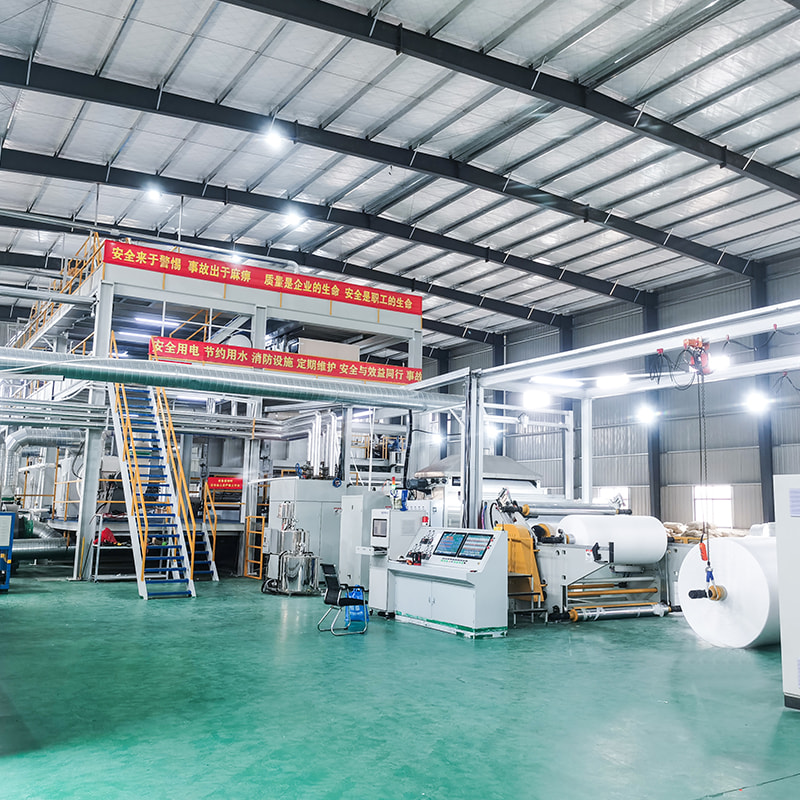
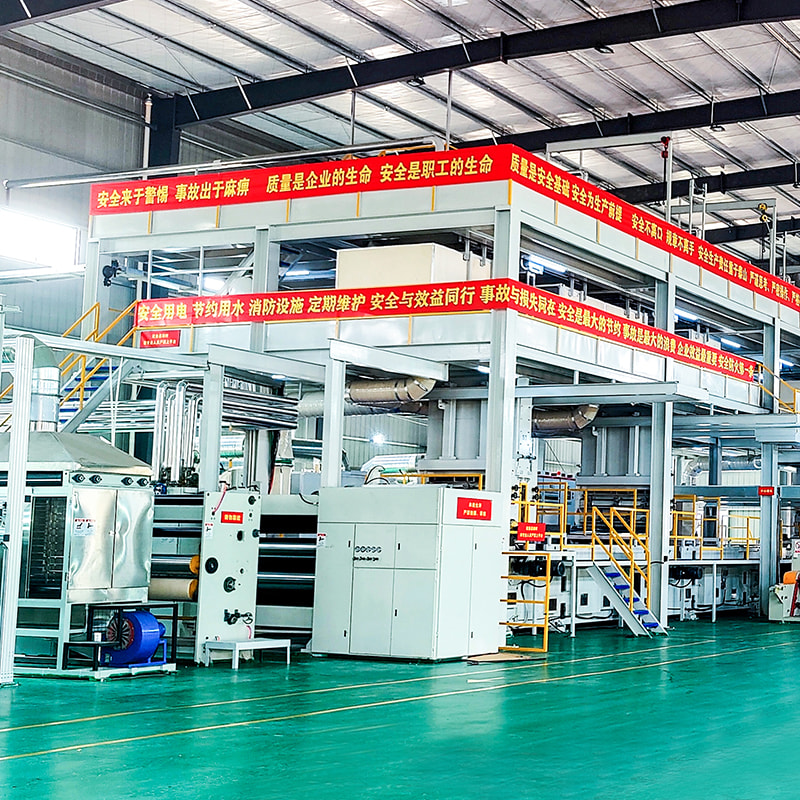
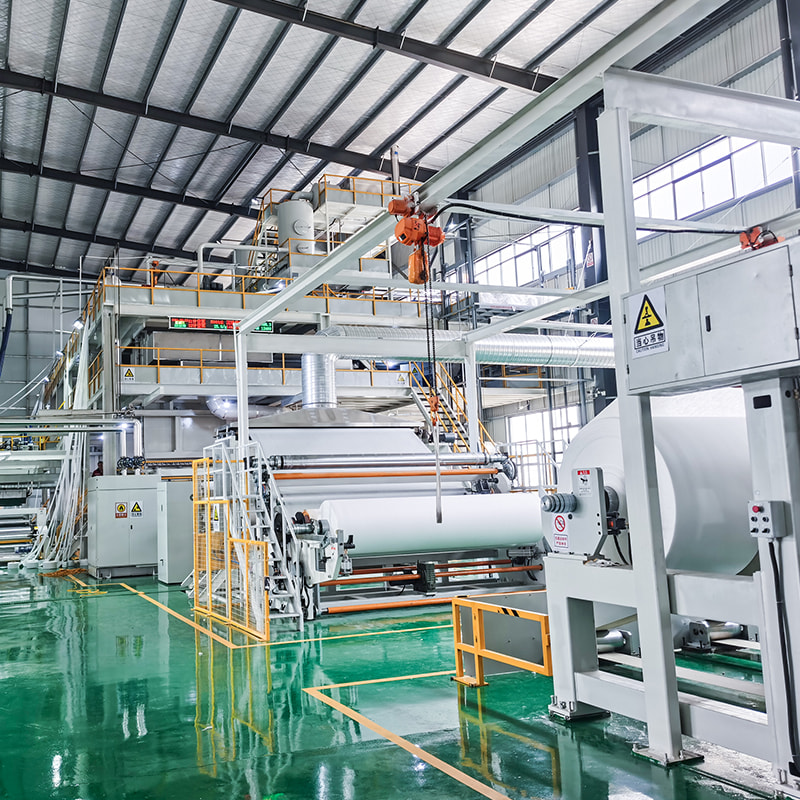
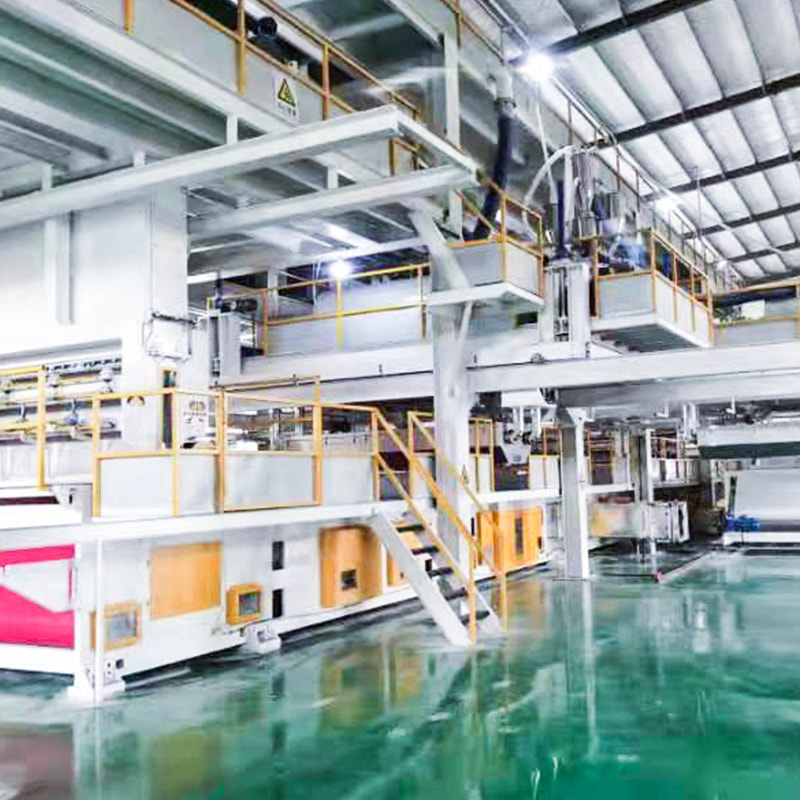
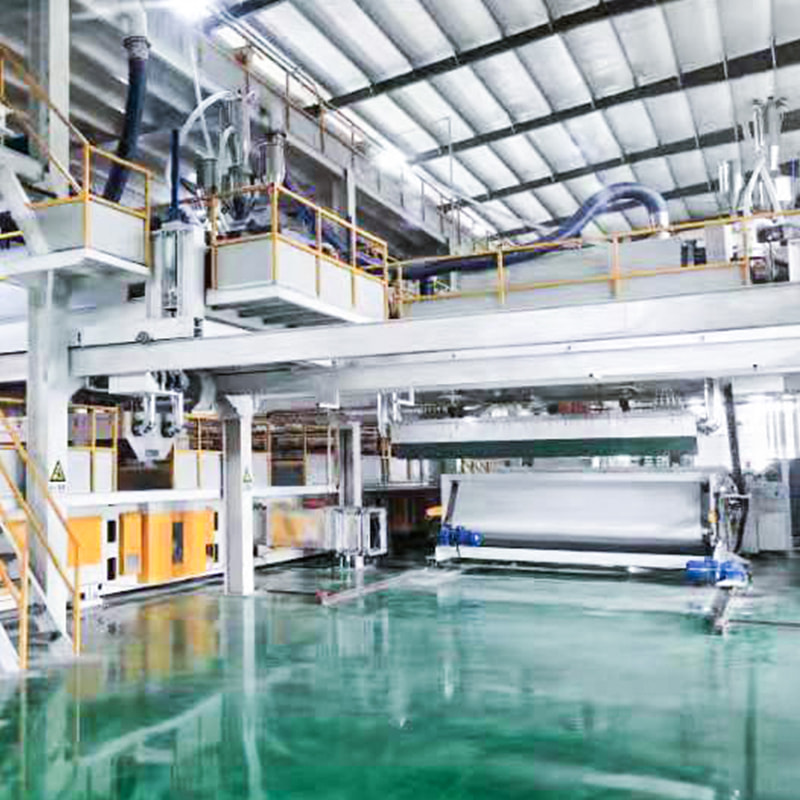
In spunbond production, polymer granules — most commonly polypropylene (PP) — are melted, extruded through spinnerets, and drawn into continuous filaments. These filaments are laid onto a moving conveyor belt to form a uniform web, which is then bonded using heat and pressure through a calendar roll. The spunbond nonwoven machine controls filament diameter, web density, and bonding temperature to achieve precise fabric weight (measured in grams per square meter, or GSM) and tensile strength.
Meltblown Process
Meltblown technology extrudes molten polymer through fine nozzles while high-velocity hot air streams attenuate the material into microfibers. These microfibers are collected on a drum or belt to form a dense, fine-fiber web. The resulting cloth has an exceptionally small pore structure, which delivers superior filtration efficiency but lower tensile strength compared to spunbond cloth.
Spun-Melt (SMS / SMMS / SMMSS) Process
The spun-melt process combines spunbond and meltblown layers in a single production line. Configurations such as SMS (Spunbond-Meltblown-Spunbond), SMMS, and SMMSS layer multiple beams to produce composite cloth that inherits the strength of spunbond layers and the barrier performance of meltblown layers. A spun-melt nonwoven machine running an SMMSS configuration, for example, produces five-layer fabric suitable for high-barrier medical and hygiene applications.
Main Types of Non Woven Cloth
Non woven cloth is categorized by production method, raw material, and end-use function. The table below summarizes the most common types found in industrial and commercial supply chains.
| Type | Process | Key Feature | Typical Application |
|---|---|---|---|
| PP Spunbond | Spunbond | High strength, breathable | Hygiene, bags, agriculture |
| Meltblown | Meltblown | Microfiber, high filtration | Masks, air filters, liquid filtration |
| SMS / SMMS | Spun-Melt composite | Strength + barrier | Surgical drapes, protective garments |
| Needle-Punched | Mechanical bonding | Thick, durable, felt-like | Geotextiles, automotive, carpet backing |
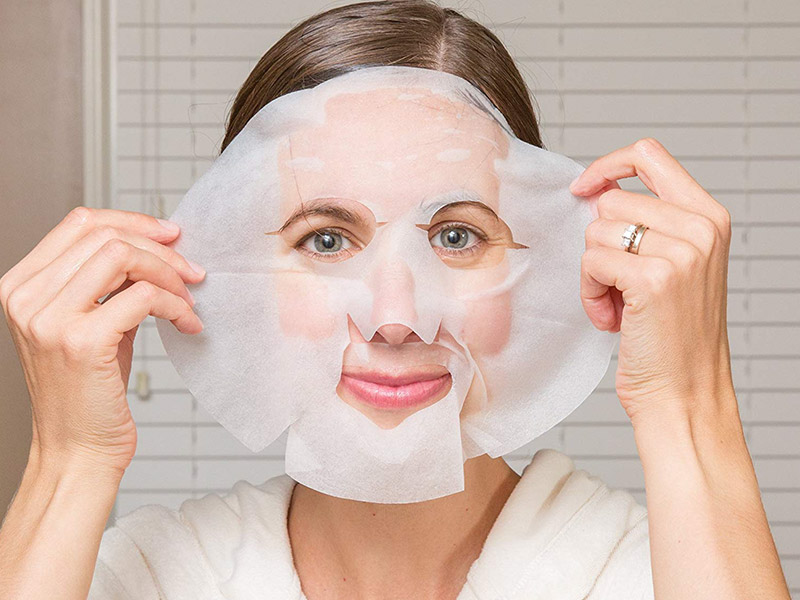
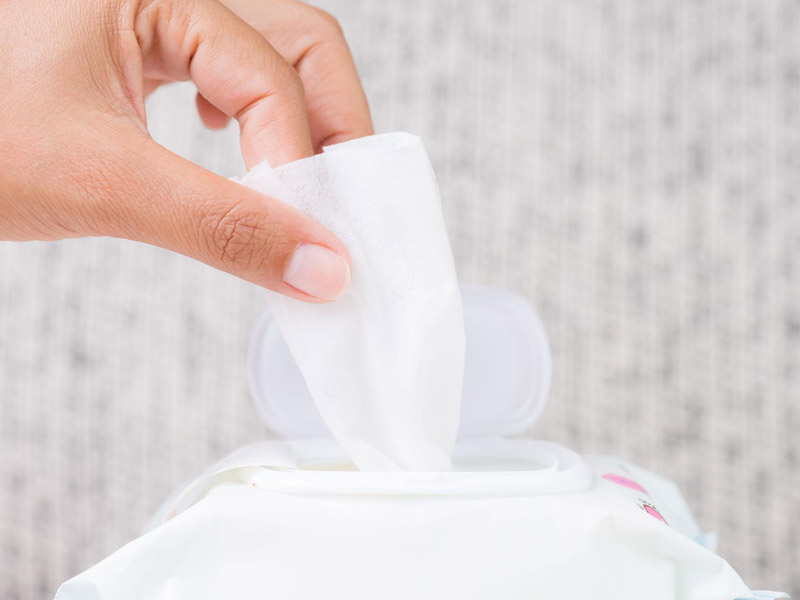
| Spunlace (Hydroentangled) | Water-jet bonding | Soft, cloth-like hand feel | Wipes, cosmetic pads, medical dressings |
Key Properties That Define Non Woven Cloth
The value of non woven cloth in industrial sourcing comes from its ability to be engineered for a specific property profile. Understanding these properties helps buyers and product designers select the right material for each application.
Porosity and Breathability
Non woven cloth is inherently porous, allowing air and moisture vapor to pass through the fabric structure. This is a critical property in hygiene and medical products, where skin comfort and moisture management directly affect user experience. Spunbond PP fabrics achieve particularly high air permeability due to their open filament structure.
Tensile Strength and Durability
Despite being lightweight, non woven cloth produced through spunbond processes can carry significant tensile loads. This makes it viable in geotextile applications — road construction, embankment stabilization, erosion control — where load-bearing capability is required alongside water permeability.
Barrier and Filtration Performance
Meltblown layers within SMS composite cloth provide a physical and electrostatic barrier against particles, fluids, and microorganisms. The filtration efficiency of a meltblown layer is determined by fiber diameter — sub-micron fibers intercept particles that pass through coarser structures — making meltblown non woven cloth the core functional layer in respiratory protection products.
Softness and Skin Compatibility
Non woven cloth used in direct skin contact applications — diaper top sheets, feminine hygiene products, facial wipes — is engineered for softness through fine-denier fibers and controlled thermal bonding. The absence of yarn twist and weave interlacing removes potential irritants that are present in conventional textiles.
Chemical and Biological Resistance
Polypropylene-based non woven cloth is chemically inert and resistant to most acids, alkalis, and biological agents. This property underpins its use in medical barriers, protective workwear, and agricultural ground cover, where exposure to agrochemicals or biological contaminants is expected.
Industrial Applications of Non Woven Cloth
The versatility of non woven cloth has made it a foundational material across more than a dozen distinct industries. Its combination of engineerable properties, cost-efficient production, and availability in both durable and disposable formats gives it a competitive advantage over woven alternatives in many use cases. Explore the full range of non woven cloth applications across industries.
Medical and Healthcare
Non woven cloth is central to modern disposable medical products. Surgical gowns, drapes, face masks, shoe covers, and wound dressings all rely on non woven fabrics that combine barrier protection with breathability. SMS and SMMS composite cloth is the standard material in EN 13795 and AAMI PB70-compliant surgical textiles, where fluid resistance levels are precisely specified.
Hygiene Products
Baby diapers, adult incontinence products, and feminine hygiene items together account for one of the largest volumes of non woven cloth consumed globally. Spunbond PP serves as the top sheet, back sheet, and structural layer, while meltblown components provide acquisition and distribution function. The soft, hydrophilic surface of these fabrics is engineered at the production line level.
Agriculture
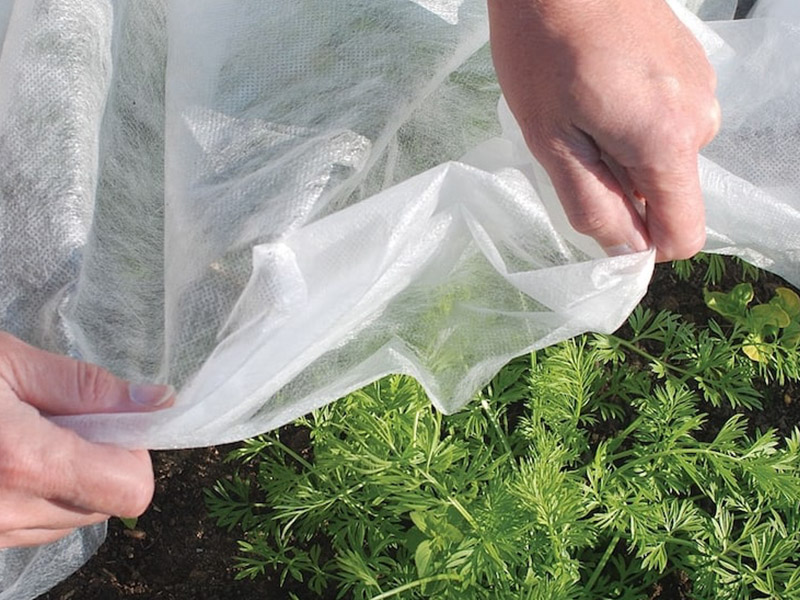
Crop forcing non woven cloth — lightweight spunbond PP fabric draped over seedbeds — raises soil temperature by several degrees, accelerates germination, and provides physical insect exclusion without chemical treatment. The UV-stabilized variants used for ground cover and mulch applications extend service life to multiple growing seasons under direct sunlight.
Construction and Geotextiles
Geotextile non woven cloth is installed beneath road pavements, behind retaining walls, and in drainage channels to provide separation, filtration, and reinforcement functions. It prevents fine soil particles from migrating into aggregate layers while allowing water to drain freely. Needle-punched non woven cloth dominates in heavy-duty civil engineering applications.
Packaging and Consumer Goods
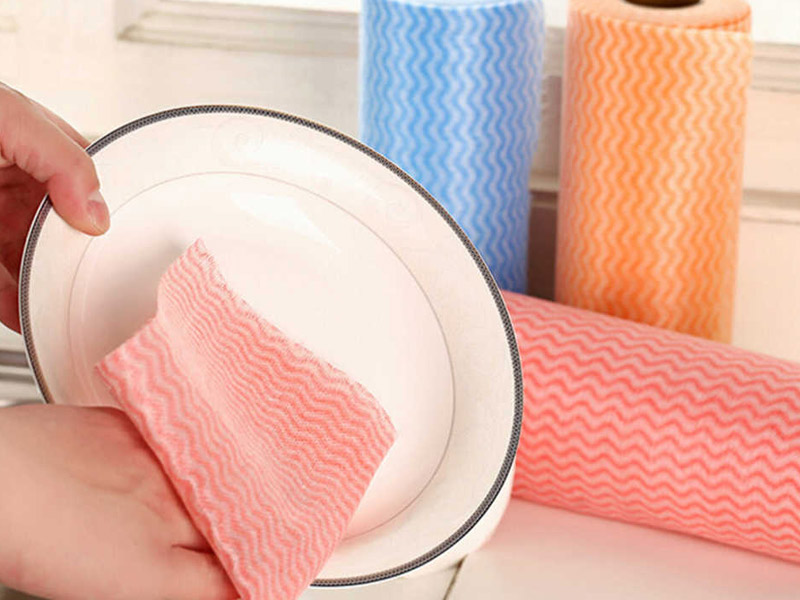
Reusable shopping bags, rice packaging, and garment covers made from PP spunbond non woven fabric offer a lightweight, tear-resistant, and printable alternative to conventional packaging materials. Their low material cost and ease of heat-sealing or stitching make them a preferred substrate for promotional and retail packaging.
How to Choose the Right Non Woven Cloth
Selecting the correct non woven cloth for a manufacturing or sourcing requirement depends on matching material specifications to application performance demands. The following parameters define the selection framework used by product engineers and procurement teams.
- Fabric weight (GSM): Heavier GSM delivers greater strength and opacity; lighter GSM prioritizes breathability and material cost. Standard spunbond cloth ranges from 10 GSM (ultra-light hygiene) to 150 GSM (heavy geotextile).
- Process type: Choose spunbond for strength-driven applications, meltblown for filtration-critical uses, and SMS/SMMS composite for products that demand both barrier and structural integrity simultaneously.
- Raw material: Polypropylene (PP) is the most widely used polymer due to its low density, chemical resistance, and cost. Polyester (PET) is selected when higher thermal stability or dimensional stability is required.
- Width and roll format: Industrial non woven production lines run standard widths of 1600 mm, 2400 mm, 3200 mm, and 4200 mm. Matching fabric width to your converting equipment avoids waste and trimming cost.
- Functional treatments: Hydrophilic, hydrophobic, antistatic, UV-stabilized, and flame-retardant finishes can be applied at the production stage or as secondary coatings. Specifying the correct surface treatment at the time of order avoids costly post-processing.
- Compliance requirements: Medical-grade non woven cloth must meet ISO 9001, EN 13795, or equivalent certifications. Verifying that the fabric manufacturer operates a certified quality management system is essential for regulated end markets.
For businesses evaluating the economics of in-house non woven production, the upstream equipment decision is equally important. The choice between a single-beam S machine, a double-beam SS line, or a multi-beam SMMSS configuration determines the product range achievable, the operating cost per kilogram, and the capital investment required. Working with an experienced manufacturer who can align machine configuration to your target product mix reduces commissioning time and operational risk.


 +8613621544385
 No.29 Xinhua Road, Jiashan Village,Jiaxing City Zhejiang P.R., China