

 English
 中文简体
中文简体 русский
 عربى
عربىNon Woven Fabric Bags: Complete Guide to Benefits & Uses
Content
- 1 What Are Non Woven Fabric Bags
- 2 Environmental Benefits and Sustainability
- 3 Manufacturing Process and Material Properties
- 4 Practical Applications and Industry Uses
- 5 Cost Analysis and Economic Advantages
- 6 Maintenance and Care Guidelines
- 7 Customization and Design Options
- 8 Regulatory Compliance and Safety Standards
- 9 Future Trends and Innovations
What Are Non Woven Fabric Bags
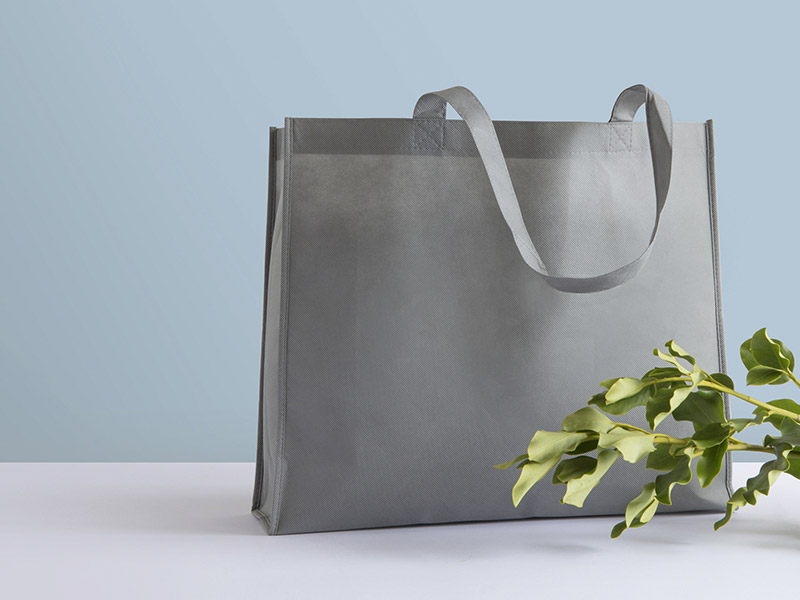
Non woven fabric bags are reusable shopping bags made from bonded fibers rather than woven or knitted textiles. These bags are created by mechanically, thermally, or chemically bonding polypropylene fibers together, resulting in a durable material that resembles cloth but is produced without traditional weaving processes. The material is lightweight yet strong, making it an increasingly popular alternative to single-use plastic bags across retail, grocery, and promotional industries.
The primary material used in non woven bags is polypropylene, a thermoplastic polymer that can be recycled and is considered more environmentally friendly than conventional plastic bags. Global production of non woven fabrics reached approximately 12.4 million tons in 2023, with a significant portion dedicated to bag manufacturing. These bags typically come in various styles including tote bags, shopping bags, wine bottle carriers, and promotional giveaway bags.
Environmental Benefits and Sustainability
The environmental advantages of non woven fabric bags have positioned them as a practical solution to plastic pollution. Unlike single-use plastic bags that take hundreds of years to decompose, non woven bags offer multiple sustainability benefits that appeal to eco-conscious consumers and businesses alike.
Reusability and Longevity
A single non woven bag can replace up to 500 single-use plastic bags over its lifetime, according to environmental studies. These bags are designed to withstand repeated use, typically lasting for 2-3 years with regular shopping trips. The material's inherent strength allows it to carry heavier loads without tearing, with most bags supporting between 10-15 kg of weight.
Recyclability and Decomposition
Polypropylene non woven bags are fully recyclable and can be reprocessed into new products. The material decomposes in approximately 3-5 years when exposed to environmental conditions, significantly faster than traditional plastic bags which can take 500-1000 years. Many manufacturers now offer collection programs where old bags are recycled into new non woven products, creating a circular economy.
Carbon Footprint Reduction
Manufacturing non woven bags produces fewer greenhouse gas emissions compared to paper or cotton alternatives. Research indicates that producing one non woven bag generates approximately 70% less CO2 than a cotton tote bag, primarily due to lower energy requirements in the manufacturing process and reduced water usage.
Manufacturing Process and Material Properties
Understanding how non woven fabric bags are produced helps explain their unique characteristics and advantages. The manufacturing process differs fundamentally from traditional textile production, resulting in distinct material properties.
Production Methods
Non woven fabric is created through three primary bonding methods:
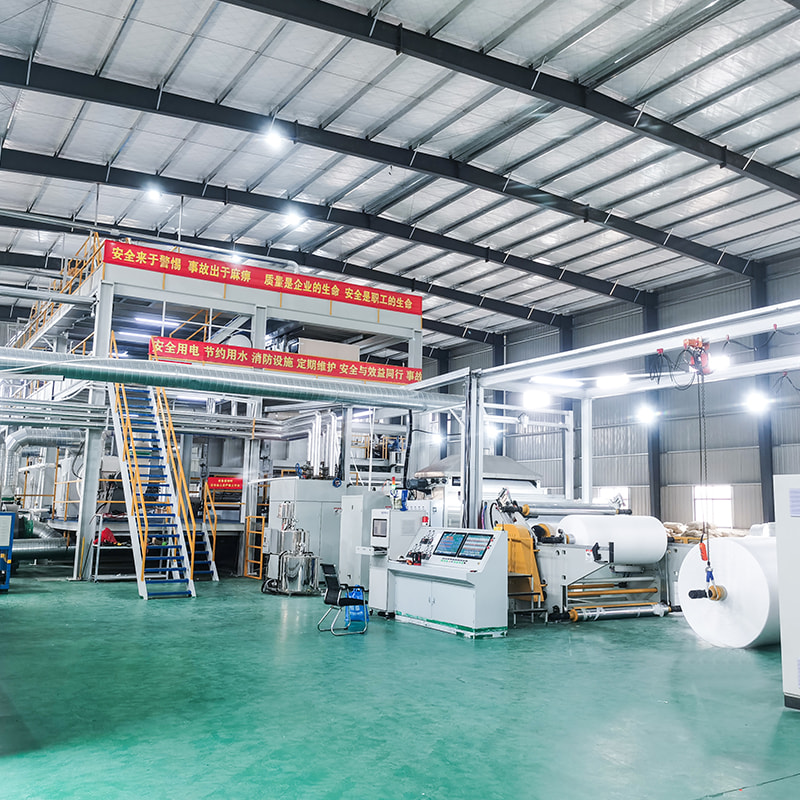
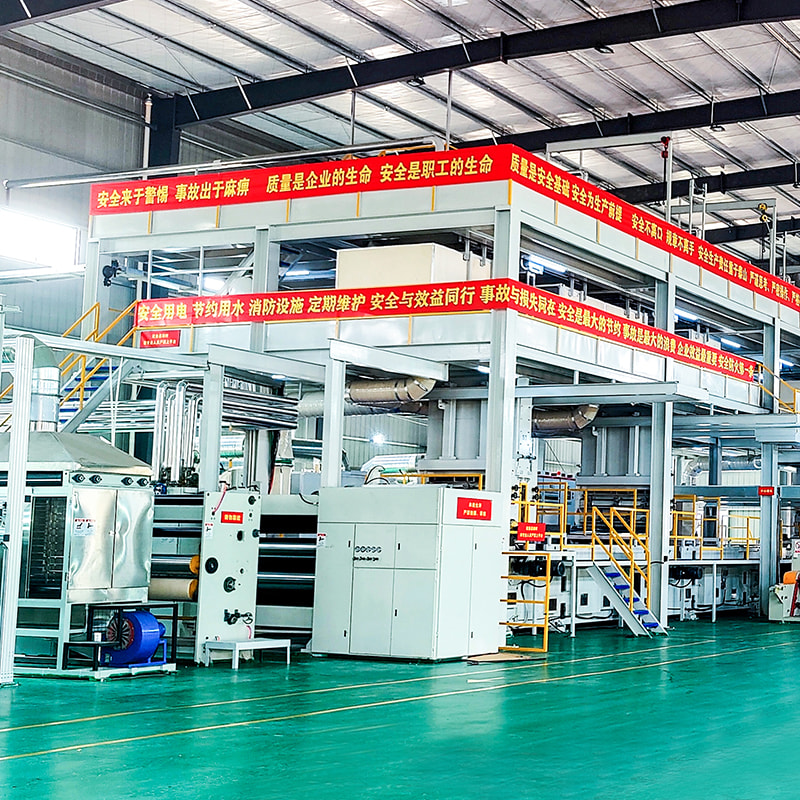
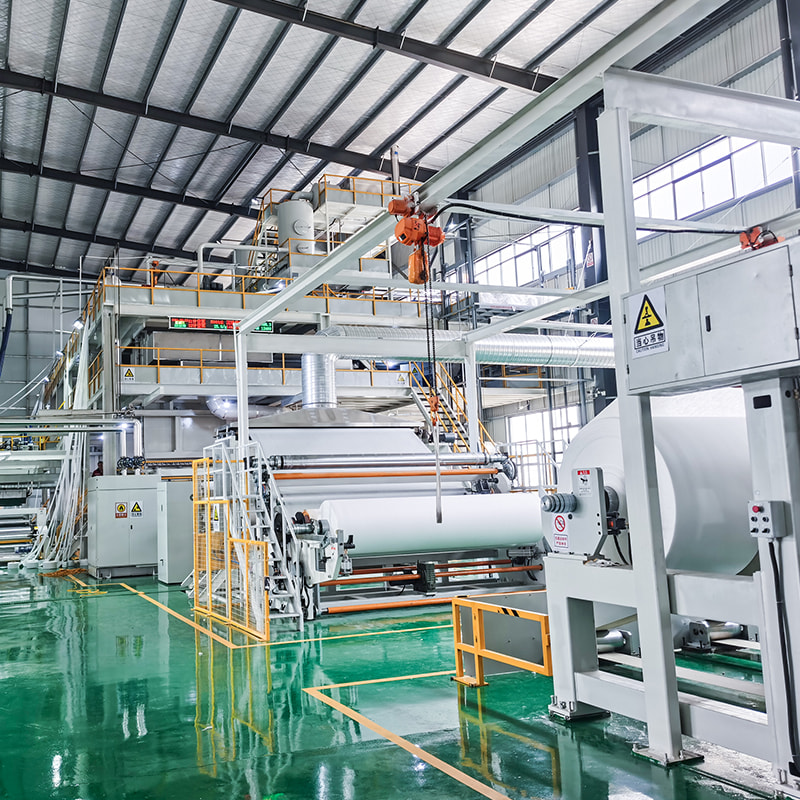
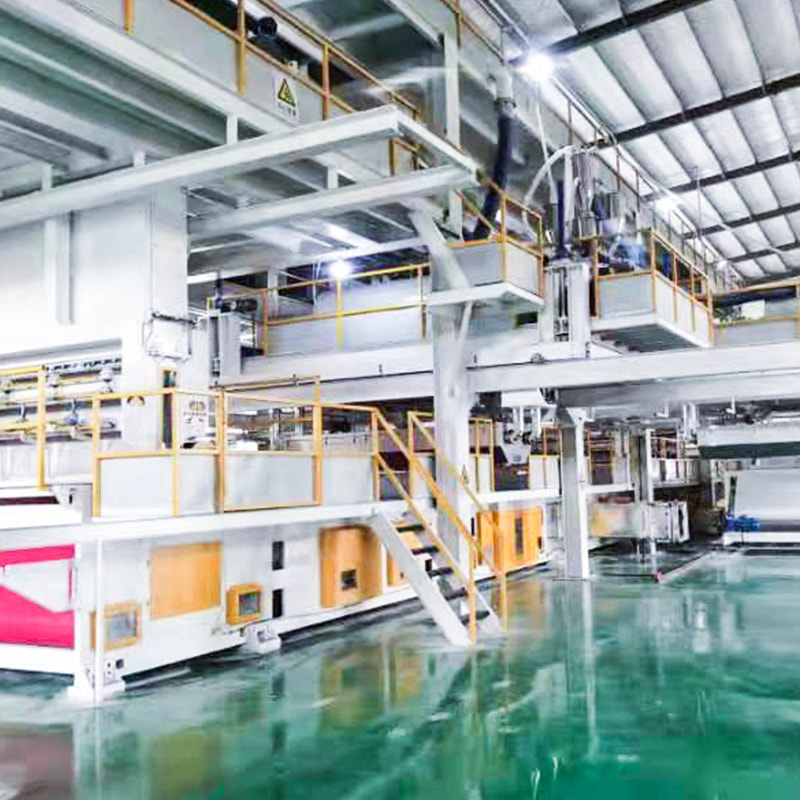
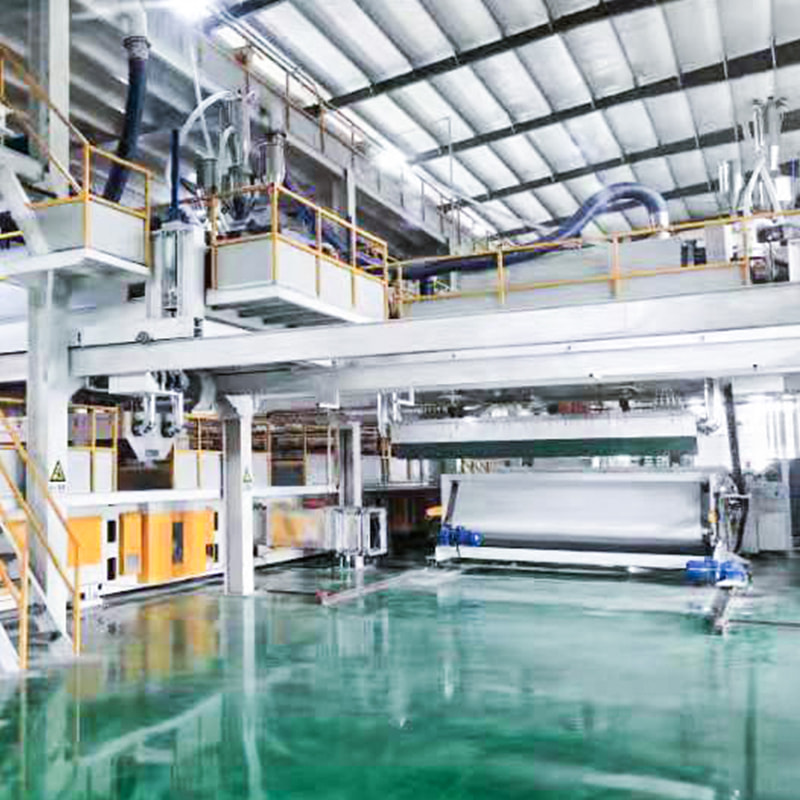
- Spunbond process: Polypropylene pellets are melted and extruded through spinnerets, forming continuous filaments that are laid randomly on a conveyor belt and bonded with heat and pressure
- Meltblown process: Creates ultra-fine fibers by blowing hot air through molten polymer streams, producing a softer, more filtration-capable material
- Needle-punched process: Mechanical needles entangle fibers together, creating a denser and more durable fabric structure
Material Characteristics
Non woven fabric exhibits several advantageous properties that make it ideal for bag production:
| Property | Specification | Benefit |
|---|---|---|
| Weight Range | 40-150 GSM | Customizable strength |
| Tensile Strength | 15-35 N/5cm | High tear resistance |
| Water Resistance | Hydrophobic | Moisture protection |
| Breathability | Porous structure | Air circulation |
| Printability | Excellent ink adhesion | Vibrant graphics |
Practical Applications and Industry Uses
Non woven fabric bags serve diverse purposes across multiple industries, from retail packaging to promotional marketing. The global non woven bag market was valued at $4.2 billion in 2023 and continues to expand as businesses transition away from single-use plastics.
Retail and Shopping
Grocery stores, supermarkets, and retail chains have widely adopted non woven bags as their primary carrier bag option. Major retailers report that customers reuse non woven shopping bags an average of 52 times, significantly reducing plastic waste. The bags' ability to carry heavy loads makes them particularly suitable for grocery shopping, where items can weigh 10-20 kg combined.
Marketing and Promotional Campaigns
Businesses utilize non woven bags as cost-effective promotional tools that provide sustained brand visibility. The large printable surface area allows for full-color logos, brand messages, and designs. Studies show that promotional non woven bags generate approximately 3,300 brand impressions over their lifetime, offering a cost-per-impression rate of less than $0.003, making them more efficient than traditional advertising methods.
Specialized Applications
Beyond standard shopping use, non woven bags serve specialized functions:
- Medical and healthcare: Sterilizable bags for medical supplies and equipment
- Agriculture: Seedling bags and plant nursery containers with breathable properties
- Events and conferences: Delegate bags and trade show giveaways
- Wine and beverage packaging: Reinforced bottle carriers with dividers
- Laundry and storage: Lightweight organizational bags for household use
Cost Analysis and Economic Advantages
The economic viability of non woven fabric bags makes them attractive for both businesses and consumers. Understanding the cost structure helps explain their market dominance in reusable bag segments.
Manufacturing and Wholesale Costs
Wholesale prices for non woven bags typically range from $0.15 to $2.50 per unit, depending on size, weight, printing complexity, and order quantity. A standard 40GSM shopping bag (38cm x 42cm) costs approximately $0.30-$0.50 when ordered in quantities of 5,000 units or more. Higher-grade 80GSM bags with lamination and custom printing cost between $0.80-$1.20 per unit in similar quantities.
Long-term Value Comparison
When compared to alternative reusable bag options, non woven bags offer compelling economics:
| Bag Type | Unit Cost | Average Lifespan | Cost Per Use |
|---|---|---|---|
| Non Woven | $0.50 | 50-100 uses | $0.005-$0.01 |
| Cotton Canvas | $3.50 | 100-150 uses | $0.023-$0.035 |
| Jute/Burlap | $2.00 | 75-100 uses | $0.02-$0.027 |
| Recycled PET | $1.20 | 60-80 uses | $0.015-$0.02 |
Business ROI and Consumer Savings
For retailers implementing bag fees or charges, non woven bags provide attractive profit margins. Businesses selling non woven bags for $0.99-$2.99 at retail can achieve margins of 50-80% while still offering consumers value. For consumers in regions with plastic bag bans or fees, purchasing a reusable non woven bag pays for itself after just 5-10 shopping trips, assuming a typical plastic bag fee of $0.10-$0.25 per transaction.
Maintenance and Care Guidelines
Proper maintenance extends the lifespan of non woven fabric bags and ensures they remain hygienic for repeated food contact. Following appropriate care procedures maximizes the environmental and economic benefits of these reusable bags.
Cleaning Methods
Non woven bags require regular cleaning, especially when used for groceries. Studies show that 97% of consumers never wash their reusable bags, potentially creating bacterial contamination risks. Recommended cleaning approaches include:
- Hand washing: Use warm water with mild detergent, gently scrub both sides, rinse thoroughly, and air dry completely before storage
- Machine washing: Place bags in a mesh laundry bag, wash on gentle cycle with cold water, avoid high heat drying which can damage fibers
- Spot cleaning: Address stains immediately with damp cloth and mild soap to prevent permanent marking
- Disinfecting: Wipe interior surfaces with diluted bleach solution (1 tablespoon per gallon of water) monthly for bags used with raw meats
Storage and Handling
Proper storage prevents damage and maintains bag integrity. Keep bags in dry, well-ventilated areas away from direct sunlight, which can degrade polypropylene fibers over time. Fold bags neatly or use bag organizers to prevent permanent creasing. Bags stored in car trunks during summer can experience temperatures exceeding 60°C (140°F), which may weaken the material structure over extended periods.
Damage Prevention
To maximize bag lifespan, avoid overfilling beyond the recommended weight capacity, keep sharp objects away from the bag fabric, separate raw meats and produce to prevent cross-contamination, and rotate multiple bags regularly to distribute wear evenly across your collection. Most damage occurs from overloading, with tears commonly developing at handle attachment points when bags carry more than 15 kg.
Customization and Design Options
The versatility of non woven fabric allows extensive customization possibilities, making these bags ideal for brand representation and specialized applications. Modern printing technologies enable high-quality graphics that maintain vibrancy throughout the bag's lifespan.
Printing Techniques
Non woven bags accommodate multiple printing methods, each offering distinct advantages:
- Screen printing: Most economical for large quantities (1,000+ units), supports up to 4-6 colors, excellent durability with costs ranging from $0.15-$0.40 per print
- Heat transfer: Ideal for full-color photographic images, allows gradients and complex designs, suitable for smaller batches (100-500 units)
- Flexographic printing: High-speed production method for simple designs, commonly used for single-color logos on bulk orders
- Lamination with printing: Provides glossy finish with embedded graphics, offers superior moisture resistance and extended graphic lifespan
Structural Variations
Manufacturers offer numerous structural customization options including handle styles (die-cut, soft loop, reinforced strap), bottom configurations (flat, gusseted, box-style), closure mechanisms (zipper, snap button, drawstring), and additional features like interior pockets, card holders, or pen loops. Gusseted bags with reinforced bottoms can increase load capacity by 40% compared to standard flat-bottom designs.
Color and Finish Options
Non woven fabric is available in virtually unlimited color options through the dyeing process. Standard inventory colors typically include white, black, navy, red, green, and natural tones, while custom color matching requires minimum order quantities of 5,000-10,000 units. Finish options include matte, glossy laminated, metallic, and textured surfaces, each affecting the bag's appearance and functional properties.
Regulatory Compliance and Safety Standards
Non woven fabric bags used in food contact and consumer applications must meet various international safety and quality standards. Compliance ensures product safety and market accessibility across different regions.
Food Safety Certifications
Bags intended for grocery and food transport require specific certifications. FDA-compliant polypropylene non woven fabric must contain no more than 0.5% extractable substances when tested under food contact simulation conditions. European Union regulations (EC 1935/2004) mandate that materials not transfer constituents to food in quantities that could endanger human health or alter food composition unacceptably.
Environmental Certifications
Several eco-certifications validate the environmental claims of non woven bags:
- OEKO-TEX Standard 100: Certifies absence of harmful substances in textile products
- ISO 14001: Environmental management system certification for manufacturers
- GRS (Global Recycled Standard): Verifies recycled content in products
- BPA-free certification: Confirms no bisphenol-A in material composition
Testing and Quality Assurance
Reputable manufacturers conduct regular quality testing including tensile strength testing (measures fabric tear resistance), load capacity testing (validates weight-bearing claims), colorfastness testing (ensures printing durability), and heavy metal content analysis (confirms absence of lead, cadmium, mercury). Quality non woven bags should pass a minimum load test of 10 kg for 3 minutes without handle separation or fabric tearing.
Future Trends and Innovations
The non woven bag industry continues evolving with new technologies and materials that enhance performance while reducing environmental impact. Emerging trends indicate significant developments in the coming years.
Biodegradable Additives
Next-generation non woven bags incorporate biodegradable additives that accelerate decomposition without compromising performance during use. Oxo-biodegradable polypropylene can degrade within 18-24 months in landfill conditions, compared to conventional polypropylene's 3-5 years. However, these additives remain controversial, with some environmental groups questioning their true biodegradability and potential microplastic generation.
Plant-Based Alternatives
Manufacturers are developing non woven fabrics from renewable resources including polylactic acid (PLA) derived from corn starch, bamboo fiber composites, and sugarcane-based biopolymers. These materials offer comparable strength to traditional polypropylene while being compostable under industrial conditions. Market analysts project that bio-based non woven materials will capture 15-20% of the bag market by 2028, up from approximately 5% in 2024.
Smart Bag Technology
Integration of technology into non woven bags represents an emerging frontier, with innovations including RFID tags for inventory tracking and theft prevention, QR codes linking to product information or loyalty programs, temperature-sensitive indicators for perishable goods, and antimicrobial treatments using silver ions to reduce bacterial growth. These enhancements add minimal cost (typically $0.05-$0.30 per unit) while providing significant value-added functionality.
Circular Economy Initiatives
Forward-thinking brands are implementing take-back programs where consumers return worn bags for recycling into new products. Companies like IKEA and major supermarket chains have established collection points that recycle over 2 million non woven bags annually, creating closed-loop systems that minimize waste. These programs often incentivize returns with discounts or loyalty points, achieving return rates of 25-40% in mature markets.


 +8613621544385
 No.29 Xinhua Road, Jiashan Village,Jiaxing City Zhejiang P.R., China