

 English
 中文简体
中文简体 русский
 عربى
عربىNon Woven Fabric Uses: Practical Applications Across Industries
Content
- 1 Common nonwoven types and what they’re best at
- 2 Medical and hygiene: the largest everyday use-case
- 3 Filtration and masks: where fiber engineering matters most
- 4 Agriculture and landscaping: practical protection for crops and soil
- 5 Packaging and retail: durable, printable, and reusable
- 6 Home, furniture, and bedding: hidden structure with real performance
- 7 Construction and geotextiles: separation, drainage, reinforcement
- 8 Automotive and industrial: lightweighting and noise control
- 9 How to choose the right nonwoven for your use-case
- 10 Key takeaways on non woven fabric uses
Non woven fabric uses are most valuable when you need a material that’s lightweight, cost-effective, and engineered for a specific job—like filtration, medical hygiene, crop protection, insulation, or reinforcement.
Because nonwovens are made by bonding fibers (instead of weaving yarns), manufacturers can tune thickness, strength, softness, absorbency, breathability, and barrier performance for each application.
- Hygiene and medical disposables (diapers, gowns, drapes, wipes)
- Filtration (air, liquid, HVAC, vacuum bags, respirators)
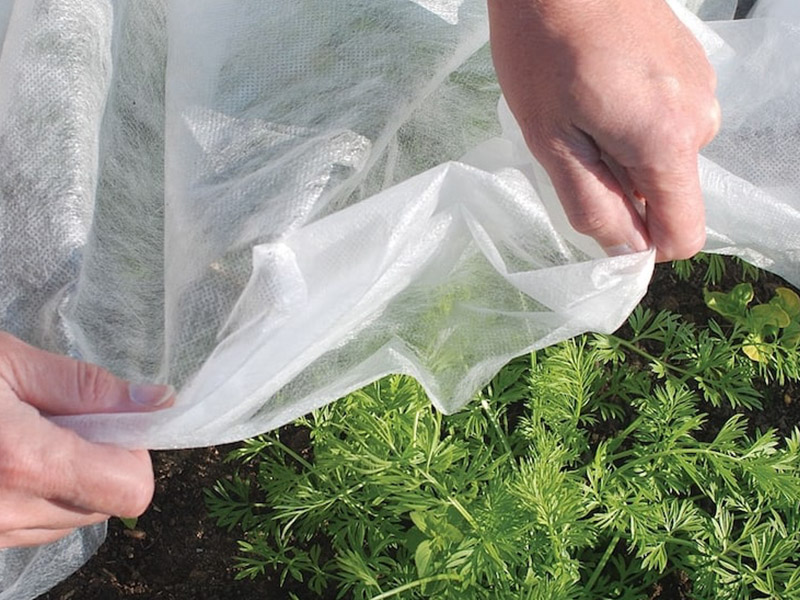
- Agriculture and landscaping (weed control fabric, frost covers)
- Construction/geotextiles (separation layers, drainage, erosion control)
- Home, furniture, and automotive (interlinings, padding, sound insulation)
Common nonwoven types and what they’re best at
If you’re comparing non woven fabric uses, start by matching the manufacturing method to the performance you need. A soft wipe and a roadbed geotextile can both be “nonwoven,” but they behave very differently.
| Nonwoven type | Typical weight (GSM) | Strengths | Typical uses |
|---|---|---|---|
| Spunbond (PP/PET) | 15–200 GSM | Tear resistance, breathability, low cost | Reusable bags, hygiene topsheets/backsheets, agriculture covers |
| Meltblown | 10–40 GSM | Fine fibers for filtration efficiency | Mask/filter media, liquid filtration layers, oil sorbents |
| SMS / SMMS (Spunbond–Meltblown–Spunbond) | 20–60 GSM | Barrier + durability balance | Medical gowns, drapes, protective apparel |
| Spunlace (Hydroentangled) | 30–120 GSM | Soft hand-feel, drape, absorbency (when cellulosic blends used) | Wet wipes, cosmetic pads, medical wipes |
| Needle-punched | 100–1000+ GSM | Bulk, toughness, dimensional stability | Geotextiles, insulation felts, carpet underlay |
| Airlaid | 20–120 GSM | High absorbency, cloth-like thickness | Napkins, absorbent cores, table wipes |
Practical shortcut: If you need “strength + breathability,” start with spunbond. If you need “filtration,” look for meltblown layers. If you need “soft and wipe-like,” consider spunlace.
Medical and hygiene: the largest everyday use-case
Many of the most familiar non woven fabric uses are disposable or single-shift hygiene items—designed for comfort on skin while controlling fluids and contamination.
Diapers and feminine care products
A single diaper can contain multiple nonwoven layers: a soft topsheet (skin contact), a backsheet (leak barrier), leg cuffs, and acquisition/distribution layers. Weights are often engineered—lightweight for softness and breathability, stronger where fastening and friction occur.
- Spunbond PP for breathable outer layers
- Airlaid or composite layers for absorbency and distribution
- Elastic nonwoven laminates in cuffs and waistbands
Gowns, drapes, caps, and shoe covers
Protective medical items commonly use SMS/SMMS structures because they combine a stronger spunbond outer with a barrier meltblown core. That layered design helps maintain comfort while reducing fluid strike-through in higher-risk zones.
Wipes (medical, baby, surface, cosmetic)
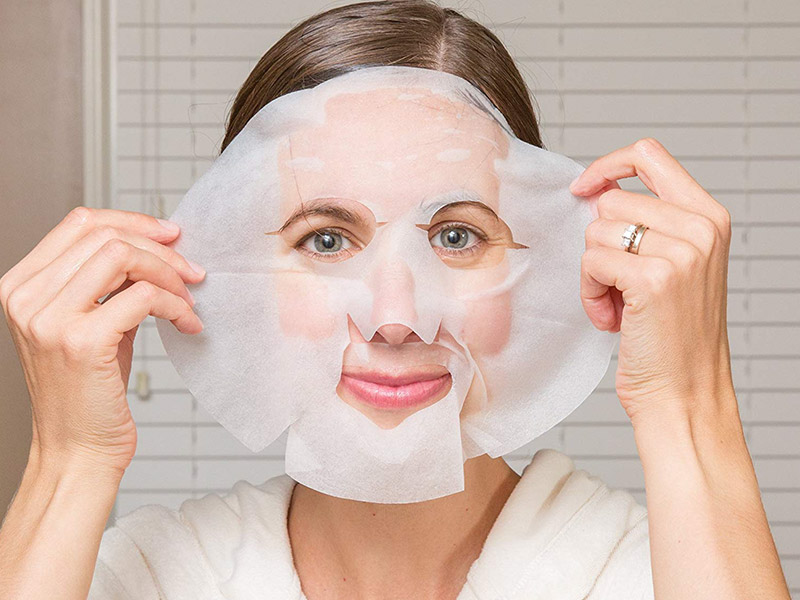
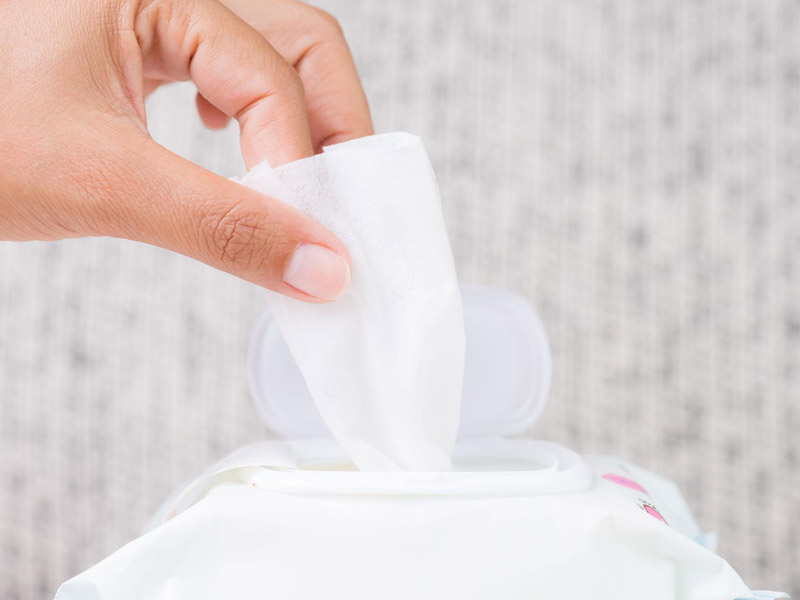
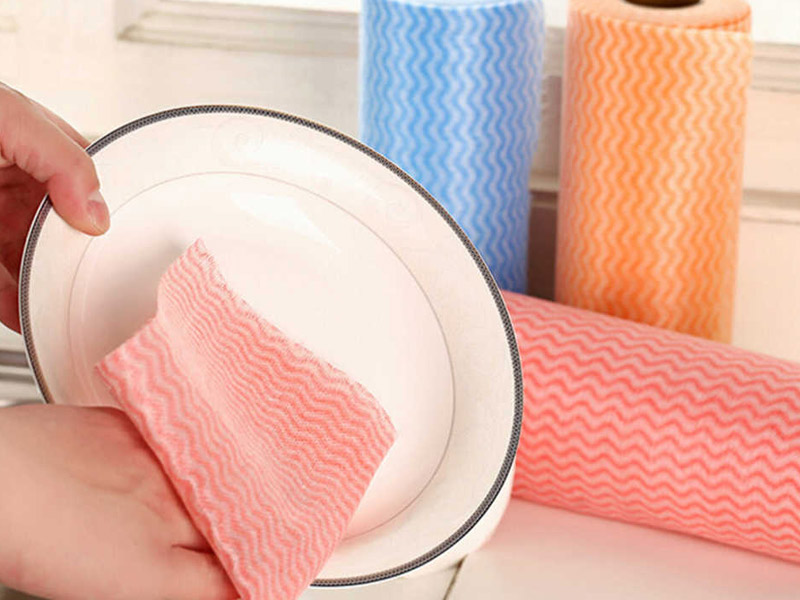
Spunlace wipes are popular because the fabric can feel cloth-like while holding lotions or disinfectants. For surface wipes, nonwovens are often selected for low lint (cleaner finish) and predictable absorption.
Filtration and masks: where fiber engineering matters most
Nonwoven filtration works by controlling pore structure, thickness, and electrostatic effects (when used). That’s why meltblown and composite nonwovens show up in air purifiers, HVAC, vacuum bags, and respirators.
Air filtration (HVAC, purifiers, vacuum bags)
- Meltblown layers provide fine capture; spunbond adds durability and handling strength.
- Needle-punched felts can be used where robustness and thickness are needed (industrial filters).
Mask structure (example)
A common disposable mask layout is a spunbond outer layer for structure, a meltblown middle for filtration, and a spunbond inner for comfort. The “filter” job is primarily in the meltblown layer, while the spunbond layers improve fit, strength, and wear comfort.
Liquid filtration and spill control
Nonwoven media is also used in liquid filtration cartridges and as sorbent mats. Fiber chemistry matters here: polypropylene-based nonwovens are often chosen for oil affinity, while cellulose blends may be used for water-based absorption tasks.
Agriculture and landscaping: practical protection for crops and soil
In agriculture, non woven fabric uses focus on microclimate control, weed suppression, and erosion reduction—without fully sealing off air and water.
Weed control fabric
Needle-punched or spunbond ground covers can block sunlight to suppress weeds while allowing water to pass. For landscaping, users often choose heavier weights for durability under mulch and foot traffic.
Frost covers and crop blankets
Lightweight spunbond row covers are used to reduce wind stress and provide modest temperature buffering. The goal is usually protection without suffocation, so breathability is a key selection factor.
Seed blankets and erosion control
Biodegradable or synthetic nonwoven mats can help stabilize soil on slopes, protect germinating seeds, and manage surface runoff until vegetation establishes.
Packaging and retail: durable, printable, and reusable
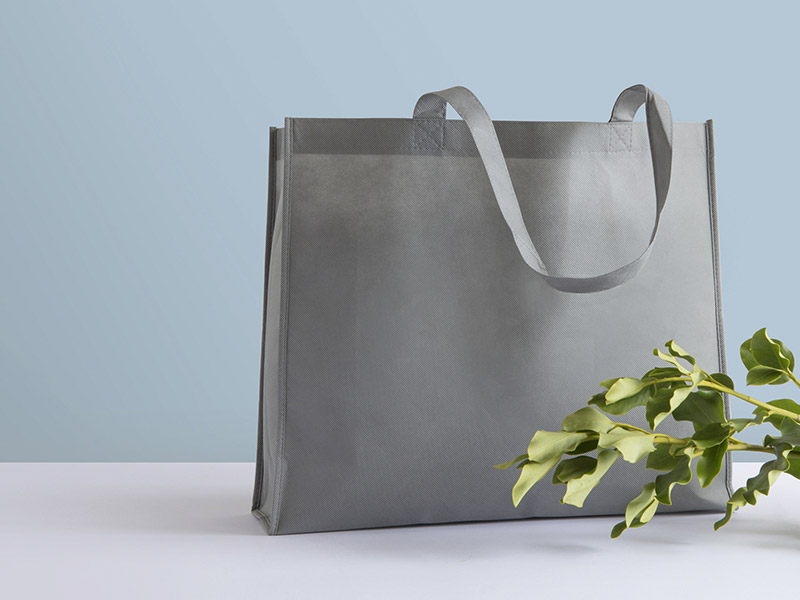
Spunbond nonwovens are widely used in bags and packaging because they can be lightweight yet tear-resistant, and they accept printing and lamination.
Reusable shopping and promotional bags
- Often made from spunbond polypropylene for strength-to-weight efficiency
- Common upgrades include lamination for water resistance and improved print quality
Protective wraps and interleaving
Nonwoven sheets are used to prevent scuffing or abrasion between finished parts (electronics, glass, coated metals). Here, low lint and consistent surface are often more important than high strength.
Some of the most widespread non woven fabric uses are “behind the scenes”—adding stiffness, softness, or separation without adding much cost or weight.
Upholstery and furniture linings
- Dust covers under sofas/chairs (spunbond) to keep interiors clean
- Padding and cushioning layers (needle-punched felts) for comfort and shape
- Interlinings for curtains and soft furnishings
Bedding and mattress components
Nonwovens can act as separator layers, fire-barrier carriers (depending on formulation), or comfort wraps. Selection typically balances breathability, softness, and durability under repeated compression.
Construction and geotextiles: separation, drainage, reinforcement
In civil engineering, non woven fabric uses are performance-driven: keep soil layers separated, allow water to drain, and reduce erosion—while surviving harsh installation conditions.
Geotextile separation under roads and paths
Needle-punched geotextiles can prevent aggregate from mixing into soft subgrade soils. This helps maintain base thickness and improves long-term stability, especially where moisture and repeated loads would otherwise pump fines upward.
Drainage and filtration layers
A nonwoven can act as a filter that lets water through while limiting soil particle movement. This is commonly paired with drainage composites or gravel layers in retaining walls and French drains.
Roofing underlayment and housewrap components
Certain building membranes and underlayments incorporate nonwoven layers to add tear resistance, improve handling during installation, and manage moisture pathways depending on the product design.
Automotive and industrial: lightweighting and noise control
Automotive suppliers use nonwovens for liners, insulation, and acoustics because the material can be molded, layered, and optimized for weight and performance.
Cabin acoustics and NVH (noise, vibration, harshness)
- Needle-punched felts in door panels and trunk liners
- Headliners and pillar trims using lightweight nonwoven backings
Insulation and protection
Thermal barriers and protective wraps can use nonwoven layers to resist abrasion, manage heat transfer, or provide cushioning around components and wiring looms.
How to choose the right nonwoven for your use-case
The best material choice is the one that meets the required performance at the lowest total cost of ownership (including failures, waste, and labor during installation or use).
A practical selection checklist
- Define the job: filtration, barrier, absorbency, cushioning, reinforcement, or surface protection.
- Set measurable targets: weight (GSM), thickness, tensile/tear needs, absorption rate, breathability, or pore size.
- Match the structure: spunbond for strength, meltblown for filtration, spunlace for softness, needle-punched for rugged bulk.
- Check environment: UV exposure (agriculture), heat (automotive), chemicals (industrial), moisture (construction).
- Validate with a small trial: test fit, durability, and performance under real conditions.
Example: choosing between spunbond and needle-punched
If you need a lightweight cover (like a row cover or reusable bag), spunbond is often the first pick. If you need heavy-duty separation under gravel or soil with rough installation, needle-punched is usually more appropriate because it can be much thicker and more abrasion-tolerant.
Key takeaways on non woven fabric uses
Non woven fabric uses are successful when the fabric structure matches the task: meltblown for filtration, spunbond for durable breathable layers, spunlace for soft wipes, and needle-punched for tough geotextiles and insulation.
When you choose by performance requirements (not just “nonwoven” as a generic label), you get better results: fewer failures in the field, more consistent filtration or absorption, and a better balance of cost and durability.


 +8613621544385
 No.29 Xinhua Road, Jiashan Village,Jiaxing City Zhejiang P.R., China