


 English
 中文简体
中文简体 русский
 عربى
عربىNon Woven Polypropylene: Practical Guide to Specs and Uses
Content
- 1 What non woven polypropylene is and why it performs so well
- 2 How PP nonwoven is made: spunbond, meltblown, and SMS
- 3 Choosing the right GSM and thickness for your project
- 4 Key performance properties to specify (and how they affect outcomes)
- 5 Common uses of non woven polypropylene and what to prioritize
- 6 Converting and fabrication tips: cutting, printing, sealing, and sewing
- 7 Quality control tests that catch problems early
- 8 Sustainability and disposal: what “recyclable” means for PP nonwovens
- 9 Conclusion: the simplest way to get PP nonwoven right
Non woven polypropylene (PP nonwoven) is a lightweight, durable, and cost-efficient material that balances strength, breathability, and chemical resistance. In practice, you get the best results by matching the right structure (spunbond, meltblown, or SMS) and basis weight (GSM) to the job—whether that is packaging, hygiene, filtration, agriculture, or industrial protection.
What non woven polypropylene is and why it performs so well
Non woven polypropylene is a fabric-like sheet made from polypropylene fibers that are formed and bonded without traditional weaving or knitting. Because PP is naturally hydrophobic and has a low density, PP nonwovens are often chosen when you need a material that is light, water-resistant, and scalable for high-volume production.
Core advantages in real applications
- Low weight: polypropylene density is about 0.90 g/cm³, helping reduce material mass and shipping cost.
- Moisture resistance: PP is hydrophobic, so sheets can repel water and remain dimensionally stable in humid handling.
- Chemical tolerance: commonly resists many acids and alkalis used in cleaning and industrial settings (always validate with the exact chemical and exposure time).
- Processability: can be cut, ultrasonically welded, heat-sealed, embossed, and laminated depending on structure.
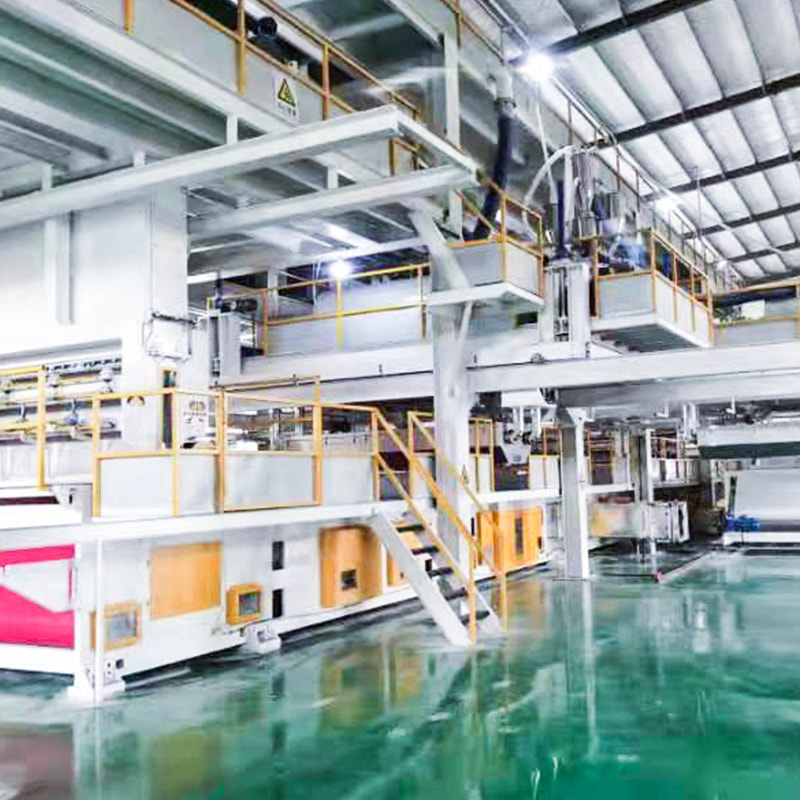
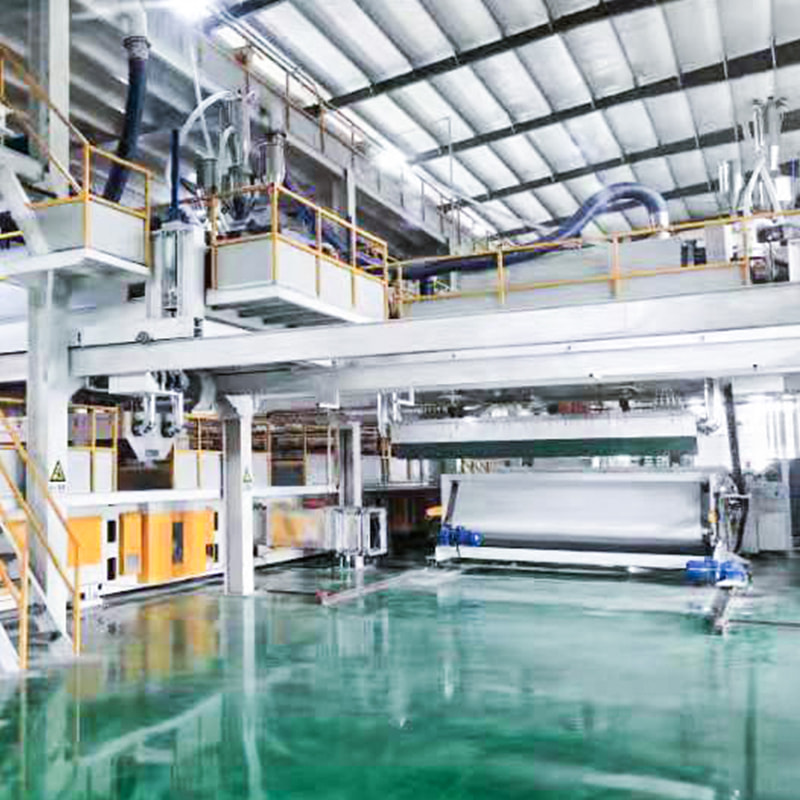
How PP nonwoven is made: spunbond, meltblown, and SMS
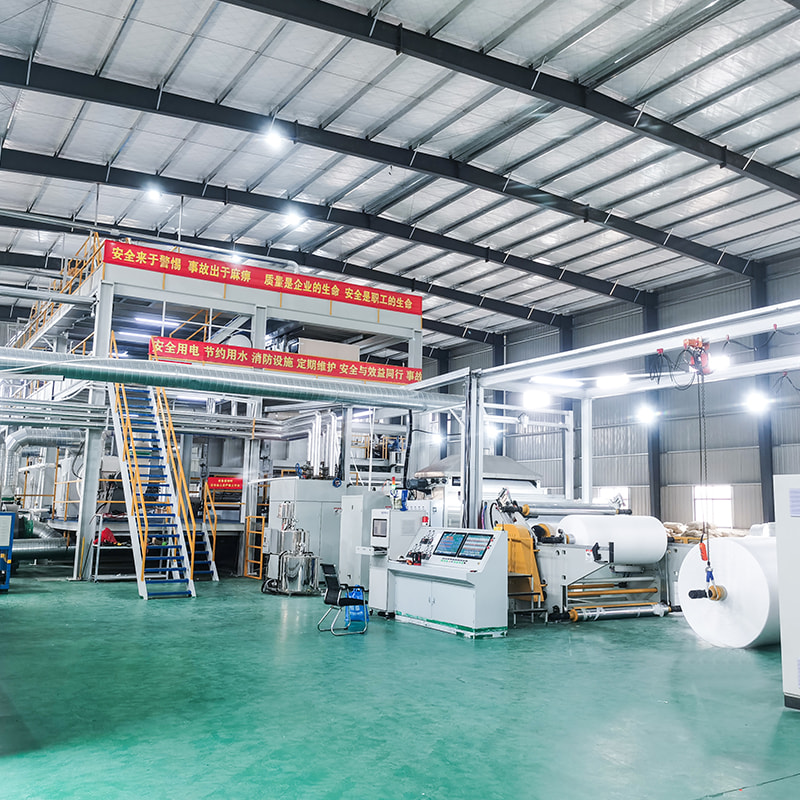
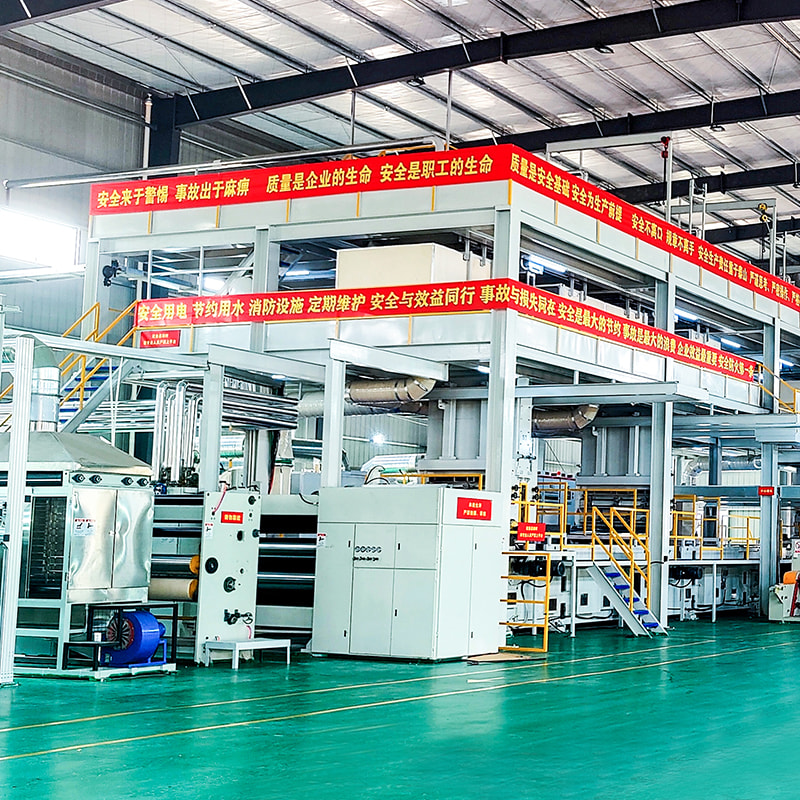
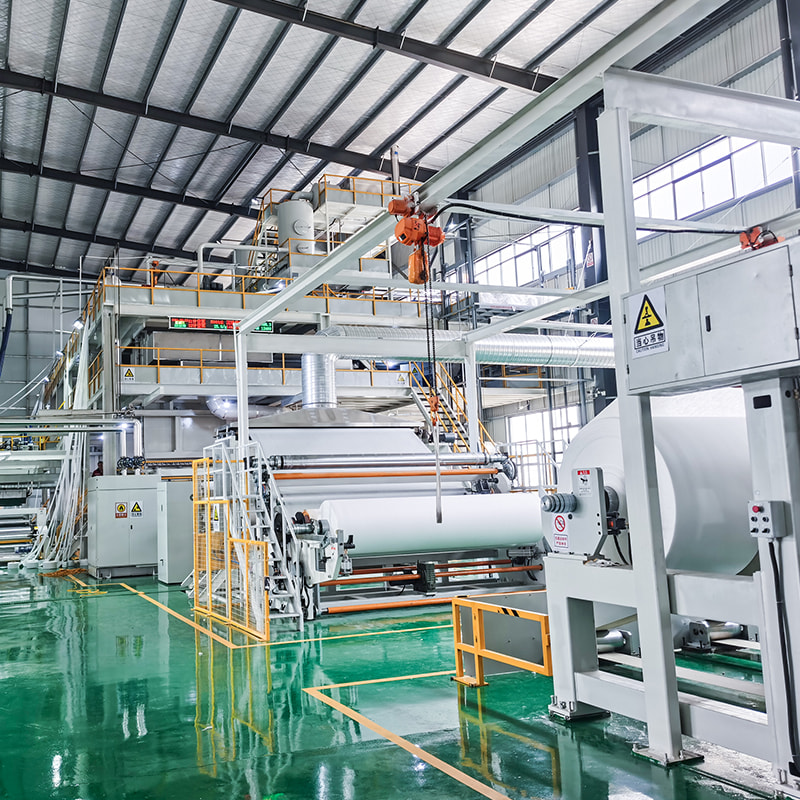
The manufacturing route determines the feel, strength, pore size, and filtration behavior of non woven polypropylene. The three most common structures are spunbond, meltblown, and SMS (spunbond–meltblown–spunbond).
| Structure | Typical strengths | Typical trade-offs | Common uses |
|---|---|---|---|
| Spunbond (SB) | Higher tensile, abrasion resistance, good drape | Larger pores than meltblown; less fine filtration | Bags, covers, agriculture fabrics, hygiene topsheets |
| Meltblown (MB) | Fine fibers, small pores, strong filtration potential | Lower mechanical strength; often needs support layers | Filters, masks, absorbent cores, oil sorbents |
| SMS / SMMS | Balanced barrier + strength; good for protective layers | More complex; cost and spec control matter more | Medical gowns, hygiene backsheet, protective apparel |
Practical rule: if you need strength and durability, start with spunbond; if you need fine filtration, incorporate meltblown; if you need both barrier and toughness, consider SMS.
Choosing the right GSM and thickness for your project
GSM (grams per square meter) is the fastest way to estimate how a non woven polypropylene sheet will behave. Higher GSM typically increases strength and opacity, while lower GSM improves breathability and reduces cost. Many production specs also include thickness (mm), tensile strength, and elongation to avoid relying on GSM alone.
Useful GSM ranges (typical industry starting points)
- 10–25 GSM: very light layers (liners, wraps, certain hygiene components) where softness or airflow is prioritized.
- 30–60 GSM: general-purpose non woven polypropylene for bags, covers, disposable apparel, and agriculture row covers.
- 70–120 GSM: heavier sheets for more tear resistance (tool covers, furniture dust covers, durable packaging).
Quick selection checklist
- Define the primary function: strength, barrier, filtration, softness, or cost.
- Choose the structure: SB for strength, MB for fine pores, SMS for balanced performance.
- Set a starting GSM range and validate with tensile and tear tests (especially if your product is stitched, welded, or tensioned).
- Confirm finishing needs: UV stabilization, antistatic, hydrophilic treatment, flame retardancy, color, printing.
- Prototype and stress-test the converted product (not only the raw roll).
Example: a reusable promotional tote might begin at 60–90 GSM spunbond for better seam holding and tear resistance, while a breathable dust cover often performs well at 25–40 GSM spunbond depending on the size and handling.
Key performance properties to specify (and how they affect outcomes)
Non woven polypropylene can be tuned with bonding, fiber diameter, and additives. The most costly mistakes happen when a project specifies only GSM and color, then discovers problems during cutting, sealing, or end-use handling.
Properties that most directly impact product reliability
- Tensile strength (MD/CD): critical for straps, seams, and tensioned wraps; request values in both machine direction and cross direction.
- Elongation and tear resistance: helps prevent sudden ripping when the material is punctured or nicked during use.
- Air permeability / pore structure: drives breathability in apparel and influences filtration in meltblown layers.
- Thermal behavior: polypropylene melts around 160–170°C, which matters for heat sealing, ironing exposure, and hot-fill contact.
- Surface treatment: hydrophilic finishes improve fluid spreading (hygiene), while hydrophobic finishes support splash resistance (protective wear).
Best practice: specify a small set of measurable targets (GSM + thickness + tensile MD/CD + tear + air permeability) so suppliers can match rolls consistently across production lots.
Common uses of non woven polypropylene and what to prioritize
“Best” depends on end-use. The same PP nonwoven that works for packaging can fail in protective apparel if the seam and barrier requirements are stricter. Use application-driven priorities to avoid overspending on unnecessary performance.
Application-driven priorities
- Shopping bags and totes: focus on GSM, seam method (sewing vs ultrasonic), and tear resistance; consider 60–100 GSM spunbond for improved handling.
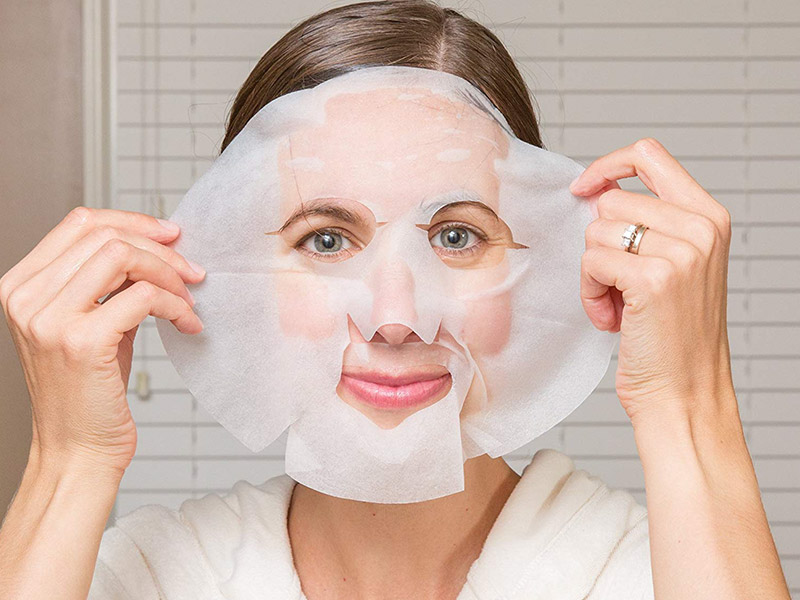
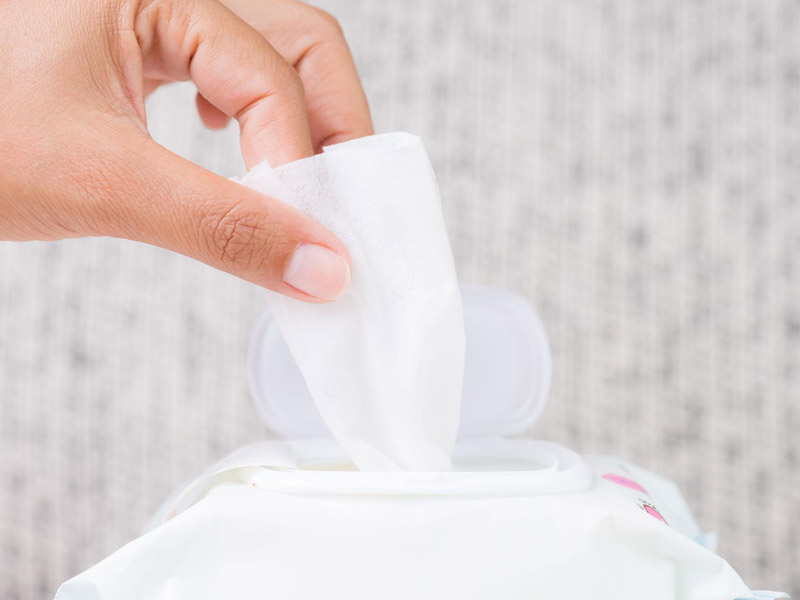
- Medical and hygiene: prioritize barrier and lint control; SMS structures are commonly selected when both strength and barrier are needed.
- Filtration layers: prioritize meltblown fiber fineness and electrostatic charging approaches where relevant; validate performance using the same test method your market expects.
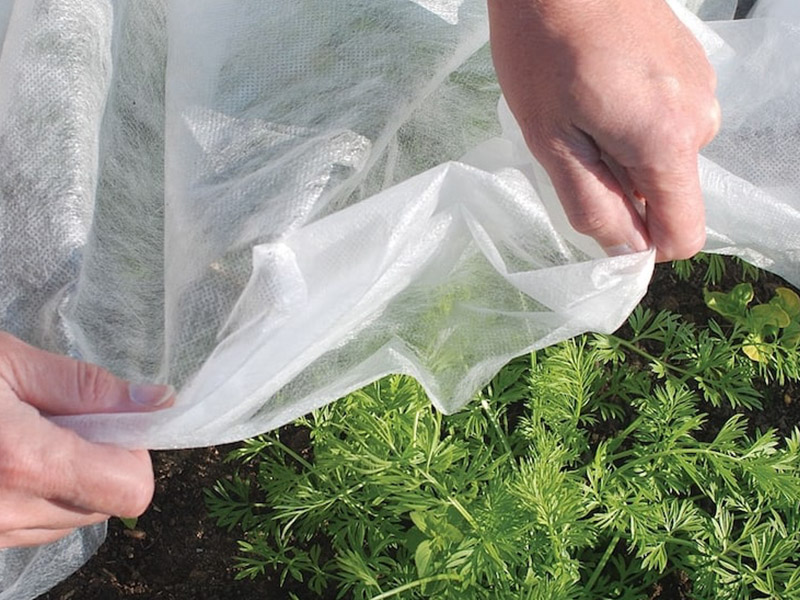
- Agriculture covers: UV stabilization is often the deciding factor; confirm outdoor exposure targets and warranty expectations.
- Industrial wraps and protection: focus on abrasion resistance, puncture resistance, and consistent thickness to prevent weak spots.
Converting and fabrication tips: cutting, printing, sealing, and sewing
PP nonwoven converts efficiently, but the details matter. Many defects (fraying edges, weak seams, ink rub-off) come from mismatch between material structure and process settings.
Practical guidelines that reduce scrap
- Cutting: rotary and die cutting work well; for thicker GSM, ensure blade sharpness and tension control to avoid edge deformation.
- Ultrasonic welding: often produces clean seams on spunbond and SMS; run seam pull tests because performance varies with emboss pattern and power.
- Heat sealing: use controlled temperature and dwell time; PP’s melt range (~160–170°C) means overheating can create brittle seal lines.
- Sewing: choose needle and stitch density to prevent perforation tearing; higher GSM usually tolerates sewing better.
- Printing: corona or surface treatment can improve ink anchorage; test for rub resistance and color migration under expected humidity/heat.
If your product is seam-dependent (bags, apparel, covers), treat the seam as a “material system”: non woven polypropylene + joining method + load direction. Validating only the raw roll is not sufficient.
Quality control tests that catch problems early
A simple incoming inspection plan can prevent inconsistent rolls from reaching production. Start with fast checks (GSM, thickness, visual defects) and add performance tests that reflect the end-use risk.
| Test | What it detects | Why it matters |
|---|---|---|
| GSM (basis weight) | Under/over-weight rolls, supplier drift | Directly impacts strength, opacity, cost |
| Thickness | Calender/bonding variability, weak spots | Predicts feel and seam consistency |
| Tensile (MD/CD) | Directional weakness | Prevents tearing in handling and use |
| Seam pull / weld strength | Process-material mismatch | Avoids field failures in bags/apparel |
| Air permeability | Breathability drift | Critical for comfort and filtration layers |
For products with regulatory expectations (medical, hygiene, filtration), align your QC tests with the specific market standard your customer requires and document the method, sample size, and acceptance criteria.
Sustainability and disposal: what “recyclable” means for PP nonwovens
Polypropylene is commonly identified as resin code #5, but whether a non woven polypropylene product is recyclable in practice depends on local facilities, contamination, and whether the sheet is laminated or coated.
Actions that improve end-of-life outcomes
- Prefer mono-material designs (PP nonwoven + PP handles/films) to avoid separation issues.
- Minimize heavy inks and incompatible coatings if your product is intended for mechanical recycling streams.
- If the product is used in medical or hazardous contexts, prioritize safe disposal requirements over recyclability claims.
Bottom line: non woven polypropylene can support sustainability goals when it is right-sized (not over-specified), designed as a mono-material where possible, and paired with realistic disposal instructions for the target region.
Conclusion: the simplest way to get PP nonwoven right
Choose non woven polypropylene by matching structure and GSM to the job, then lock in performance with a short set of measurable specs and seam-level testing. Spunbond usually wins for strength, meltblown for filtration, and SMS for balanced barrier plus durability—while a disciplined QC plan prevents roll-to-roll variability from turning into production scrap or field failures.


 +8613621544385
 No.29 Xinhua Road, Jiashan Village,Jiaxing City Zhejiang P.R., China