

 English
 中文简体
中文简体 русский
 عربى
عربىNon Woven Products: Types, Uses, and How to Choose the Right One
Content
Non woven products are engineered fabrics made by bonding or interlocking fibers — without weaving or knitting — using mechanical, thermal, or chemical processes. They are found in everything from surgical masks to car interiors, and their appeal comes down to three core advantages: low production cost, design flexibility, and functional performance that traditional textiles often can't match.
The global nonwoven fabrics market was valued at approximately $46.5 billion in 2023 and is projected to exceed $70 billion by 2030, driven by demand in healthcare, hygiene, agriculture, and construction. Understanding what these products are, how they differ, and where they perform best will help you make smarter sourcing or application decisions.
What Makes a Product "Non Woven"
A non woven fabric is a flat, porous sheet formed directly from fibers — typically polypropylene, polyester, nylon, viscose, or natural fibers like cotton — without the interlocking yarn structure of woven or knit textiles. The bonding method determines the product's properties:
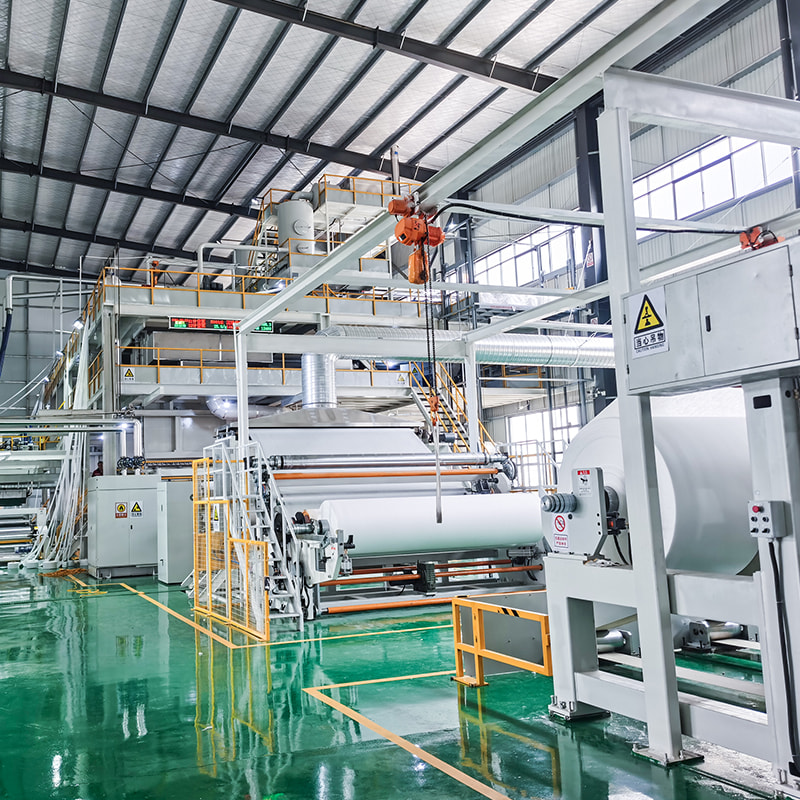
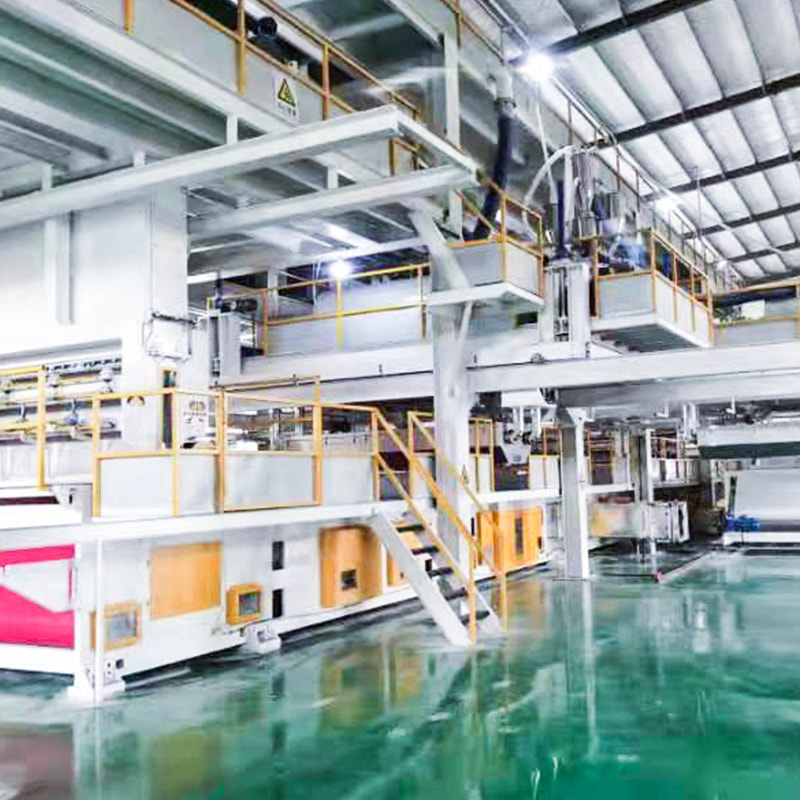
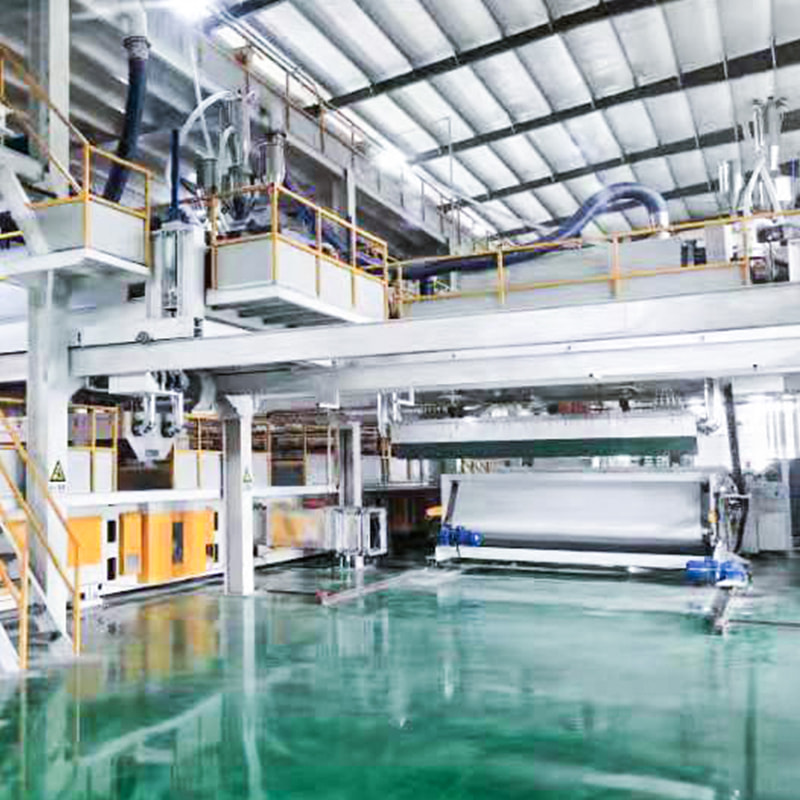
- Spunbond: Continuous filaments are laid and thermally bonded. Result: strong, lightweight fabric used in hygiene products and bags.
- Meltblown: High-velocity air blows molten polymer into microfibers. Result: extremely fine filtration media used in N95 masks.
- Needlepunch: Barbed needles mechanically entangle fibers. Result: dense, durable material for geotextiles and carpet underlays.
- Hydroentangled (Spunlace): High-pressure water jets entangle fibers. Result: soft, cloth-like wipes and medical dressings.
- Chemical bonded: Adhesive binders are applied and cured. Result: cost-effective disposable products like dryer sheets.
Each process produces a material with a distinct balance of softness, tensile strength, porosity, and durability — which is why non woven products span such a wide range of industries.
Major Categories of Non Woven Products
Non woven products are best understood by their end-use category. Below is a breakdown of the most commercially significant segments:
Hygiene and Personal Care
This is the largest single market segment, accounting for roughly 35–40% of global nonwoven consumption. Products include:
- Baby diapers (topsheet, backsheet, and acquisition layers)
- Feminine hygiene pads and panty liners
- Adult incontinence products
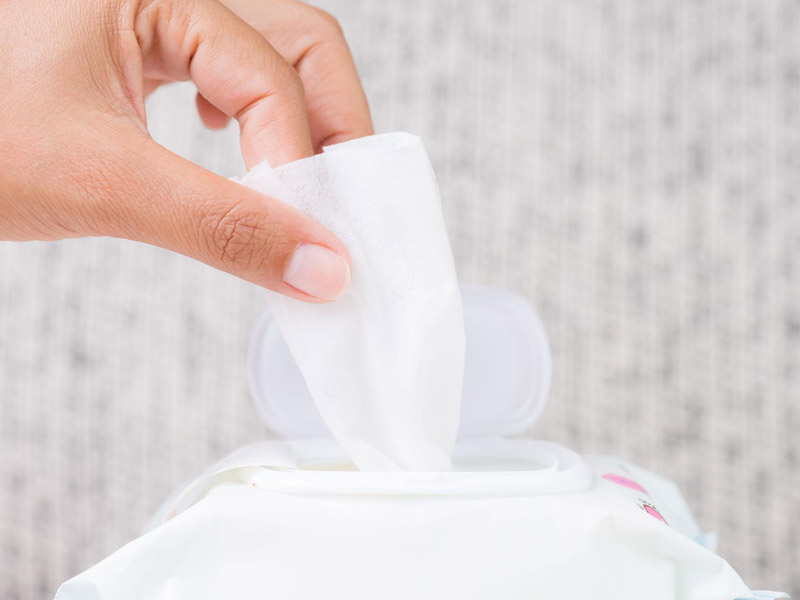
- Wet wipes and dry wipes
Spunbond and spunlace are the dominant technologies here because they deliver softness next to skin while maintaining structural integrity when wet.
Medical and Healthcare
Demand surged during the COVID-19 pandemic and has remained elevated. Key medical non woven products include surgical gowns, drapes, and caps; face masks and respirators (N95 filtration relies on meltblown layers); wound care dressings; and sterilization wraps. SMS (spunbond-meltblown-spunbond) laminates are the standard construction for most surgical PPE due to their combination of barrier protection and breathability.
Geotextiles and Civil Engineering
Needlepunched polypropylene nonwovens are widely used in road construction, drainage systems, erosion control, and landfill lining. A single highway project can consume thousands of square meters of geotextile fabric. They separate soil layers, allow water to pass, and prevent fine particles from clogging drainage structures — functions that woven alternatives cannot perform as efficiently at comparable cost.
Agriculture
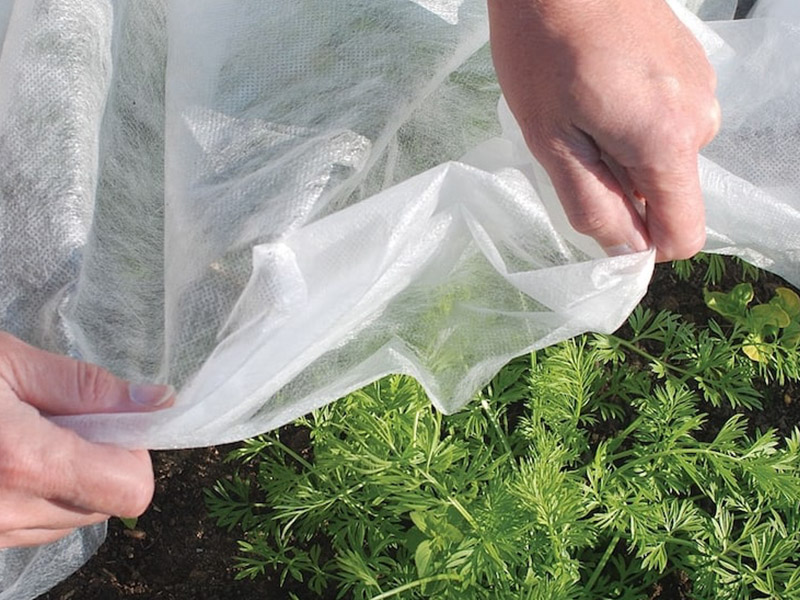
Crop cover nonwovens (row covers) protect plants from frost, insects, and UV damage while allowing light and water through. Studies have shown that using polypropylene spunbond crop covers can increase early-season yields by 10–30% for crops like strawberries, tomatoes, and lettuce by advancing the growing season.
Automotive
Modern vehicles contain 20–30 square meters of nonwoven materials on average. Applications include trunk liners, hood insulators, door panel substrates, carpet backing, and cabin air filters. Needlepunched and thermobonded nonwovens are preferred here for their acoustic and thermal insulation properties.
Filtration
From HVAC air filters to industrial liquid filtration, nonwovens offer a tunable pore structure that woven meshes cannot replicate at fine particle sizes. Meltblown fabrics can capture particles as small as 0.3 microns, which is why they are the filtration layer of choice in high-efficiency respiratory protection.
Non Woven vs. Woven Fabrics: Key Differences
| Factor | Non Woven | Woven |
|---|---|---|
| Production Speed | Very high | Moderate |
| Cost per Unit | Low to moderate | Moderate to high |
| Tensile Strength | Lower (varies by process) | Higher |
| Filtration Capability | Excellent (fine particles) | Limited |
| Reusability | Often single-use | Multi-use |
| Customization | High (weight, porosity, finish) | Moderate |
| Barrier Protection | Excellent with lamination | Requires coating |
In short, non woven products are not a replacement for woven textiles in all contexts — but for high-volume, disposable, or technically specialized applications, they consistently outperform on cost and functionality.
How to Choose the Right Non Woven Product
Selecting the right non woven material comes down to matching the manufacturing process and raw material to the application's performance requirements. Consider these four factors:
- Basis weight (gsm): Heavier products (80–200 gsm) are used for geotextiles and automotive parts; lighter products (10–30 gsm) for hygiene topsheets and crop covers.
- Fiber type: Polypropylene is moisture-resistant and low-cost; polyester offers higher temperature resistance; viscose and cotton provide softness for skin-contact applications.
- Bonding method: Thermal bonding for cleanroom or food-contact use (no chemical residues); chemical bonding for lower-cost disposables; needlepunch for high-strength structural applications.
- Functional treatments: Hydrophilic finishes for absorbent products, hydrophobic finishes for barriers, antistatic coatings for electronics, and UV stabilizers for outdoor agricultural use.
Request samples and test under your actual use conditions. A product's datasheet will list tensile strength and basis weight, but real-world factors like seam performance, ink adhesion for printing, or behavior after sterilization may not be captured in standard specs.
Sustainability Considerations
Most conventional non woven products are made from polypropylene — a petroleum-derived plastic that is technically recyclable but rarely collected through mainstream recycling streams. This has drawn criticism, particularly for single-use hygiene and medical products.
The industry is actively responding with several approaches:
- Bio-based fibers: PLA (polylactic acid) from corn starch is commercially available as a compostable nonwoven substrate, though it has lower heat resistance than PP.
- Recycled content: rPET (recycled PET) nonwovens are used in automotive and construction applications where post-consumer content claims add value.
- Take-back programs: Some diaper manufacturers in Europe have begun trialing closed-loop recycling for used absorbent products.
- Reduced basis weights: Lightweighting — achieving the same performance at lower gsm — reduces raw material consumption per unit by 15–25% in some product categories.
Sustainability claims should be verified. "Biodegradable" and "compostable" are not synonymous, and not all bio-based nonwovens will break down under home composting conditions.
Common Applications at a Glance
| Industry | Typical Product | Manufacturing Process | Common Fiber |
|---|---|---|---|
| Hygiene | Diaper topsheet | Spunbond | Polypropylene |
| Medical | Surgical gown | SMS laminate | Polypropylene |
| Filtration | N95 mask filter | Meltblown | Polypropylene |
| Agriculture | Crop cover | Spunbond | Polypropylene |
| Construction | Geotextile | Needlepunch | Polypropylene / PET |
| Automotive | Trunk liner | Needlepunch / Thermobond | PET / Recycled PET |
| Wipes | Baby wipe / cleaning wipe | Spunlace (hydroentangled) | Viscose / PET blend |
Final Takeaways
Non woven products are not a niche category — they are embedded in daily life across healthcare, home care, construction, and food production. Their versatility comes from the ability to engineer specific properties (softness, filtration efficiency, tensile strength, barrier performance) at a fraction of the cost of conventional textiles.
For buyers and specifiers, the key is to match the manufacturing process and fiber to the end-use requirement rather than defaulting to the cheapest available option. For manufacturers, the growing demand for sustainable and bio-based alternatives represents both a challenge and a significant commercial opportunity over the next decade.
Whether you are sourcing raw material for industrial use or selecting a product for a consumer application, understanding these fundamentals gives you a practical framework for evaluating quality, cost, and performance with confidence.


 +8613621544385
 No.29 Xinhua Road, Jiashan Village,Jiaxing City Zhejiang P.R., China