




 English
 中文简体
中文简体 русский
 عربى
عربىNonwoven Container Market 2026: Growth Trends, Technologies & Industry Outlook
Content
The Nonwoven Container Market in 2026: Size, Growth, and Momentum
Global demand for nonwoven containers didn't emerge from a single trend — it emerged from the collision of several at once. Sustainability mandates, e-commerce logistics pressures, and advances in fabric engineering have all landed on the same decade, accelerating a market that was already gaining traction.
The numbers reflect this momentum. The global nonwoven containers market was valued at approximately $3.5 billion in 2024 and is projected to reach $6.8 billion by 2033, expanding at a compound annual growth rate of 7.8%. That trajectory holds across most forecast scenarios — conservative or optimistic — because the structural forces driving it are regulatory, behavioral, and technological all at once.
Nonwoven containers — products made from fiber webs bonded through mechanical, thermal, or chemical processes — sit at an increasingly attractive intersection: lighter than rigid packaging, more durable than paper alternatives, and far more adaptable than single-use plastics. From agricultural grow bags to medical sterilization pouches to retail tote solutions, this product category has quietly become a linchpin across supply chains.
What makes the current period particularly consequential is the speed of transition. Procurement teams that were exploring nonwoven alternatives five years ago are now committing to them at scale. The question has shifted from "should we use nonwoven containers?" to "which materials, formats, and production technologies will give us the best result?"
What's Driving Global Demand
Three forces are doing the heavy lifting in this market, and each reinforces the others.
Regulatory pressure on single-use plastics is the most direct catalyst. Governments across the EU, Southeast Asia, and Latin America have enacted or are actively legislating restrictions on conventional plastic packaging. The scale of the problem being addressed is significant: according to UNEP's data on global plastic pollution, between 19 and 23 million tonnes of plastic waste leaks into aquatic ecosystems every year. Businesses facing bans or surcharges on plastic packaging are increasingly turning to nonwoven containers as a cost-effective, compliant alternative that requires minimal supply chain restructuring.
E-commerce and logistics growth is a second, independent driver. Protective packaging that is lightweight, customizable, and capable of absorbing impact without adding bulk has become a logistics priority. Nonwoven containers — particularly those produced using spunbond or SMS processes — check all these boxes. Their ability to be manufactured in varied weights, sizes, and lamination configurations makes them especially versatile for fulfilment operations shipping diverse product ranges.
Performance requirements in healthcare and agriculture are creating demand at the premium end of the market. In medical settings, nonwoven sterilization pouches and instrument containers require precise barrier properties, breathability, and compatibility with autoclave or gamma sterilization cycles. In horticulture, fabric grow containers have demonstrated measurable improvements in root architecture and yield. Neither segment will accept a generic solution — and that specificity is pushing both material science and machinery capabilities forward.
Materials and Manufacturing Technologies
Polypropylene (PP) remains the dominant raw material in the nonwoven container market, accounting for the largest share by volume. Its balance of cost-efficiency, tensile strength, and compatibility with high-speed production lines makes it the default choice for most packaging and retail applications. Polyester-based nonwovens occupy a distinct segment where higher temperature resistance or superior dimensional stability is needed — industrial filtration containers and certain medical formats among them.
The manufacturing process, however, is what ultimately determines whether a container performs under real-world conditions. Three core technologies define the landscape:
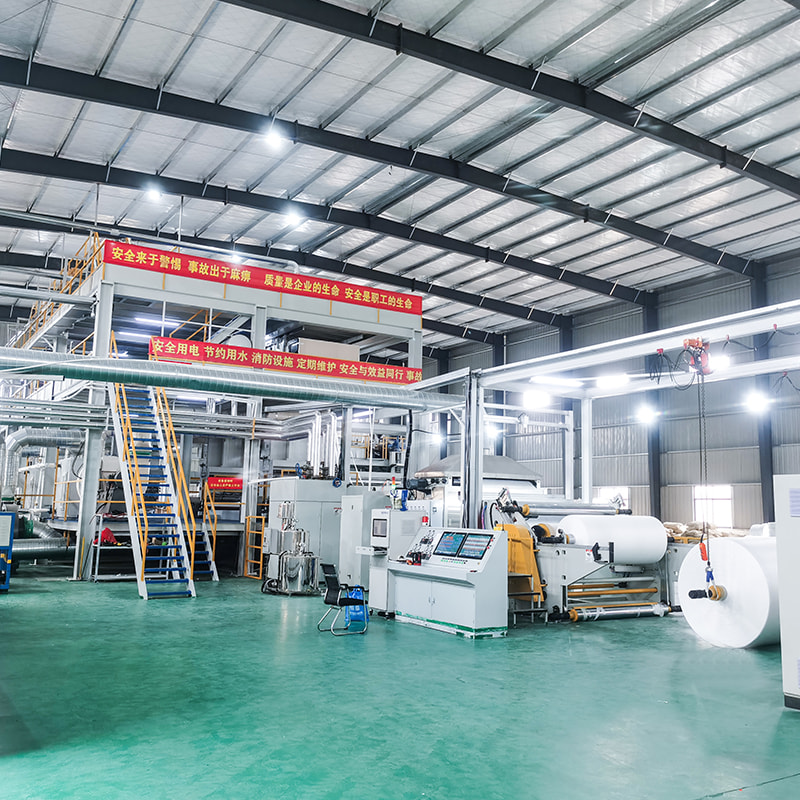
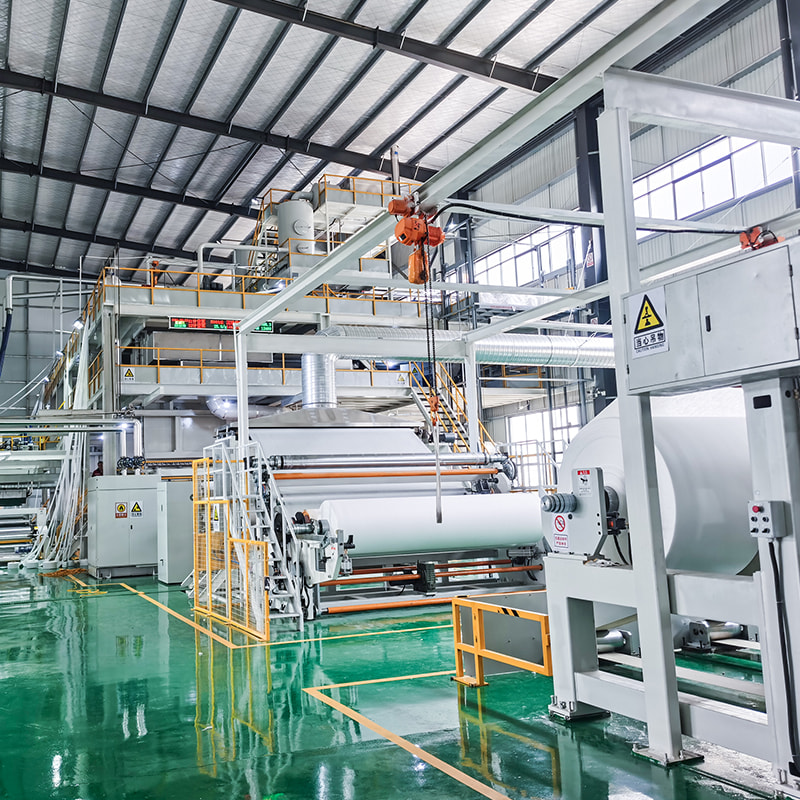
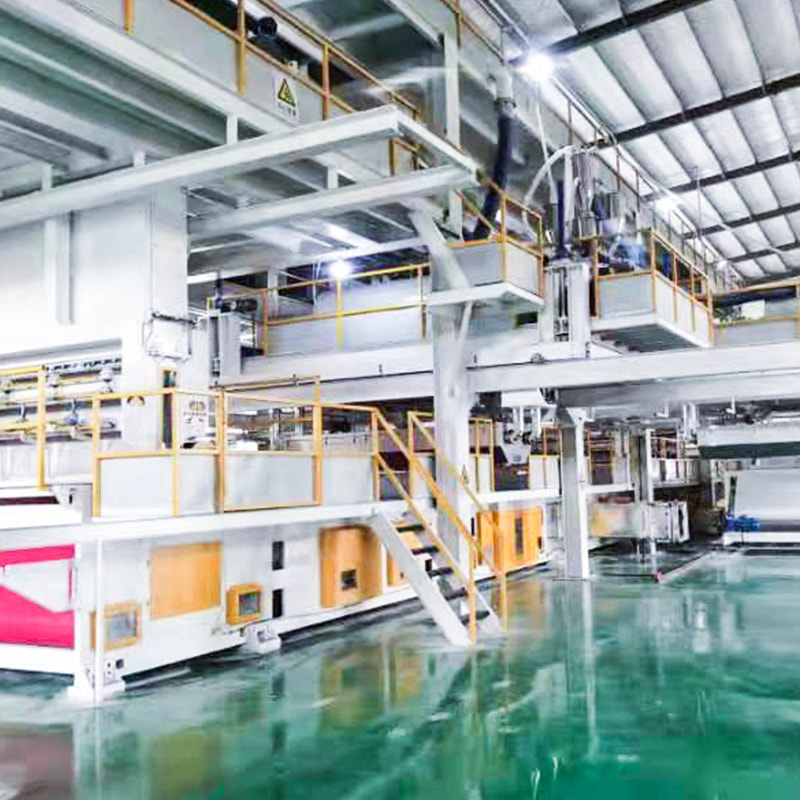
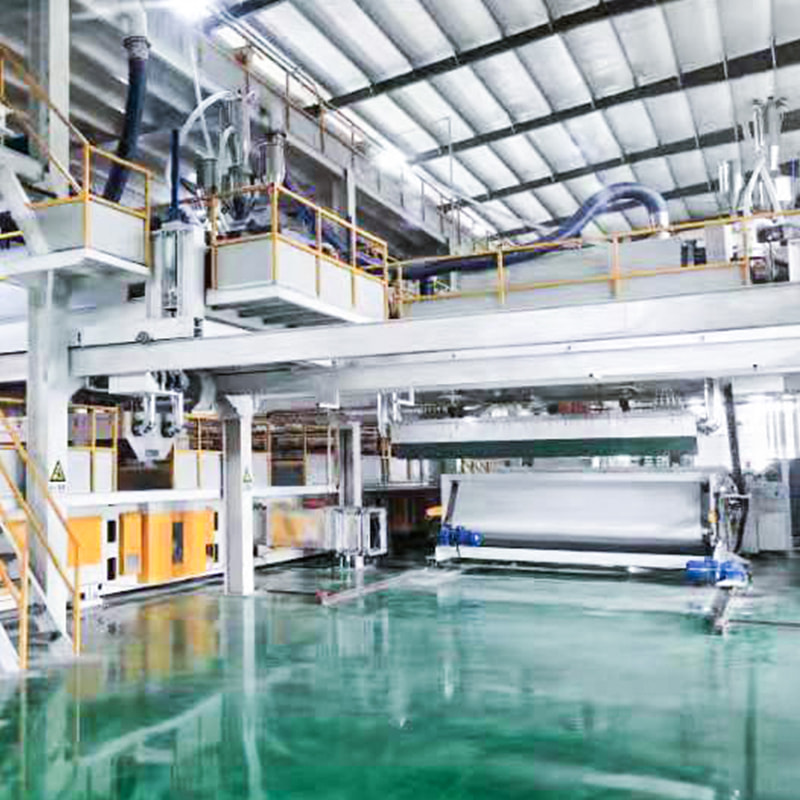
- Spunbond (S or SS/SSS): Continuous filaments are extruded, drawn, and bonded thermally to create a fabric that offers high tensile strength and uniformity. Spunbond is the workhorse of the industry — widely used for shopping bags, agricultural containers, and protective covers. Spunbond nonwoven production lines for container manufacturing range from single-beam configurations for leaner operations to triple-beam (SSS) setups for higher output and fabric consistency.
- Meltblown (M): Fine microfibers are produced at high velocity, creating fabrics with exceptional filtration and barrier properties. Melt-blown nonwoven machines are critical for producing the filter-grade layers found in medical-grade containers and sterile packaging applications.
- Spunmelt composites (SMS, SMMS, SMMSS): By combining spunbond and meltblown layers, manufacturers achieve fabrics that balance structural strength with fine-fiber barrier performance. SMS and SMMS spunmelt technology is increasingly specified for healthcare packaging where contamination control is non-negotiable — the outer spunbond layers provide durability while the meltblown core provides the filtration and barrier function.
The choice of process architecture is not purely a materials decision — it determines what end markets a producer can serve, what weight ranges are achievable, and what the unit economics of production look like at scale.
Key Application Sectors Leading Demand
Understanding where nonwoven containers are being adopted — and at what rate — is essential for any business assessing market entry or expansion. The high-performance nonwoven fabrics used across container applications vary considerably by sector, and so do the expectations placed on them.
| Sector | Primary Container Types | Key Material Requirements |
|---|---|---|
| Healthcare | Sterilization pouches, instrument wraps | Barrier performance, breathability, sterility compatibility |
| Food & Beverage | Tea bags, coffee filters, produce bags | Food safety compliance, moisture management, heat tolerance |
| Agriculture | Fabric grow containers, seedling bags | UV resistance, drainage, root air-pruning capability |
| Retail & E-commerce | Reusable bags, mailers, protective sleeves | Weight efficiency, printability, tensile strength |
| Industrial | Bulk packaging, filtration containers | Load capacity, chemical resistance, durability |
Healthcare remains the highest-value segment on a per-unit basis, driven by stringent regulatory requirements and the zero-tolerance approach to contamination. Food and beverage is the highest-volume category globally, where the push to replace plastic film packaging with biodegradable nonwoven alternatives is accelerating adoption rapidly. Agriculture, while still a niche in many markets, is growing at above-market rates — particularly in Asia-Pacific and Latin America where horticulture modernization programs are actively underway.
Regional Market Dynamics
The nonwoven container market is not uniform across geographies. Production economics, regulatory environments, and end-market maturity vary enough to make regional strategy genuinely consequential.
Asia-Pacific is the dominant production region, driven by China, India, and Southeast Asia. The combination of established polymer supply chains, competitive manufacturing costs, and rapidly growing domestic consumption — particularly in e-commerce and agriculture — positions this region as both the world's largest producer and one of its fastest-growing consumer markets. Government industrial policy in several countries actively supports nonwoven sector development.
North America represents the premium end of the demand spectrum. Buyers in the U.S. and Canada are increasingly prioritizing performance certifications, material traceability, and sustainability credentials — characteristics that favor producers with modern, precisely controlled production lines. Healthcare procurement in particular is a high-value segment where supplier qualification barriers are high and long-term contracts provide production stability.
Europe is the most regulation-driven market. Extended Producer Responsibility (EPR) frameworks and the EU's Single-Use Plastics Directive are reshaping procurement decisions across the continent. European brand owners are under real pressure to demonstrate lifecycle credentials for their packaging — a dynamic that consistently moves sourcing decisions toward nonwoven solutions. This is also the region where investment in bio-based and compostable nonwoven technologies is most concentrated.
Challenges Facing the Industry
Despite its growth trajectory, the nonwoven container market faces challenges that producers and equipment buyers should plan around explicitly.
Raw material price volatility is the most persistent operational headache. Polypropylene and polyester prices track petroleum markets and are subject to supply shocks that can compress margins significantly. Producers with efficient, high-output machines are better positioned to absorb these swings — lower per-unit conversion costs provide a buffer that smaller or older lines simply don't have.
Biodegradability expectations are creating a genuine technical tension. Consumers and regulators increasingly expect nonwoven containers to be compostable or bio-based — but fully compostable nonwovens often carry performance trade-offs in tensile strength and moisture resistance. The industry response has been investment in PLA-based and blended materials, though these still command a meaningful cost premium and require compatible processing equipment.
Competitive pressure from paper-based alternatives is growing in certain segments, particularly retail packaging where paper has strong brand association with sustainability. Nonwoven producers that can clearly articulate their product's reusability, lifecycle cost, and performance advantages over paper will be better positioned as the market matures.
Keeping pace with market developments requires continuous monitoring of material science, regulatory updates, and production technology. The latest trends in the nonwoven industry are evolving rapidly, and producers who invest in staying informed tend to make better capital allocation decisions.
Selecting the Right Production Line for Nonwoven Containers
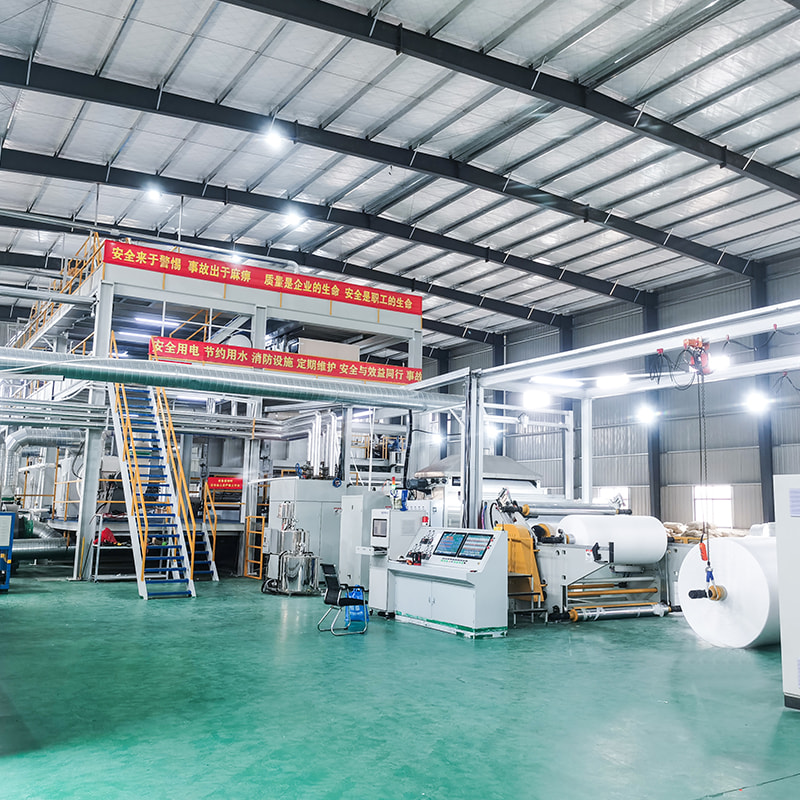
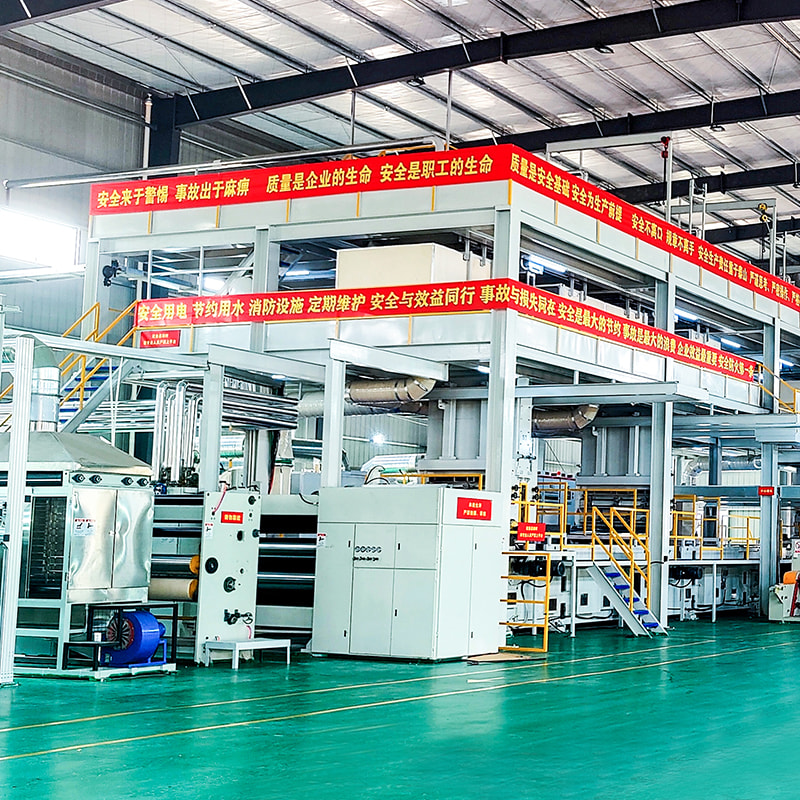
For manufacturers entering or expanding within the nonwoven container market, equipment selection is a strategic decision — not a procurement afterthought. The machine configuration chosen today will define which product grades can be produced, what production efficiency looks like at steady state, and how quickly the operation can adapt as market requirements evolve.
A few practical guidelines:
- Match beam count to output targets and product complexity. Single-beam S spunbond lines are well-suited for focused operations producing consistent mid-weight fabrics — agricultural containers, reusable bags. Double (SS) and triple (SSS) configurations offer greater fabric uniformity and higher throughput for diversified product ranges.
- Choose SMS or SMMS configurations for healthcare and filtration applications. If the target market includes medical sterilization containers or any application requiring genuine microbial barrier performance, a composite spunmelt line is not optional — it's the technical baseline.
- Evaluate flexibility alongside rated capacity. Markets shift. A line that can adjust basis weight across a wide range, accommodate different polymer grades, and transition between product formats without extended downtime is worth more long-term than a narrowly optimized machine that cannot adapt.
- Factor in total cost of ownership, not just capital cost. Energy consumption, maintenance intervals, spare parts availability, and after-sales technical support all affect the actual cost of production over a machine's operational life. These variables separate commodity equipment from professional production infrastructure.
The nonwoven container market's growth presents a genuine and multi-year opportunity. Capturing it consistently requires not just commercial access to growing end markets, but the production capability to serve them reliably, at quality, and at competitive cost. Equipment selection is where that capability is built.


 +8613621544385
 No.29 Xinhua Road, Jiashan Village,Jiaxing City Zhejiang P.R., China