

 English
 中文简体
中文简体 русский
 عربى
عربىPolyester vs Polypropylene Non Woven Fabric: Key Differences Guide
Content
- 1 Material Composition and Manufacturing Process
- 2 Physical Properties and Performance Comparison
- 3 Cost Analysis and Economic Considerations
- 4 Industry Applications and Optimal Use Cases
- 5 Environmental Impact and Sustainability
- 6 Selection Criteria for Specific Projects
- 7 Processing and Manufacturing Considerations
- 8 Market Trends and Future Developments
Material Composition and Manufacturing Process
Polyester non woven fabric is produced from synthetic polyester fibers derived from petroleum-based polyethylene terephthalate (PET), while polypropylene non woven fabric uses thermoplastic polymer fibers. The manufacturing processes differ significantly: polyester fabrics typically use spunbond or needle-punching techniques with melting points around 250-260°C, whereas polypropylene fabrics are processed at lower temperatures of 160-170°C using spunbond, meltblown, or SMS (spunbond-meltblown-spunbond) methods.
The molecular structure determines performance characteristics. Polyester's aromatic rings create stronger intermolecular bonds, resulting in superior tensile strength and dimensional stability. Polypropylene's simpler chain structure allows for faster, more economical production but with reduced mechanical strength compared to polyester.
Physical Properties and Performance Comparison
| Property | Polyester Non Woven | Polypropylene Non Woven |
|---|---|---|
| Tensile Strength | 20-35 N/5cm | 12-25 N/5cm |
| Melting Point | 250-260°C | 160-170°C |
| Moisture Absorption | 0.4-0.8% | 0.01-0.1% |
| Density | 1.38 g/cm³ | 0.91 g/cm³ |
| UV Resistance | Excellent | Poor (requires additives) |
| Chemical Resistance | Moderate | Excellent |
Durability and Longevity
Polyester non woven fabrics demonstrate 40-60% higher tensile strength and superior resistance to abrasion, making them ideal for applications requiring long-term durability. In outdoor applications, polyester maintains structural integrity for 3-5 years without UV stabilizers, while polypropylene degrades within 6-12 months unless treated with additives.
Temperature Tolerance
The higher melting point of polyester allows it to withstand industrial processes like heat calendaring and thermal bonding more effectively. Polypropylene's lower thermal threshold limits its use in high-temperature applications but makes it easier to seal and bond in packaging applications.
Cost Analysis and Economic Considerations
Polypropylene non woven fabric costs approximately 15-30% less than polyester due to simpler manufacturing processes and lower raw material prices. As of 2024, polypropylene raw material prices range from $1,200-$1,500 per ton, while polyester chips cost $1,600-$2,000 per ton. This price differential makes polypropylene the preferred choice for disposable applications where longevity is not critical.
However, lifecycle cost analysis reveals different economics for durable applications. A comparative study of geotextiles showed that while initial installation costs for polypropylene were 25% lower, polyester geotextiles lasted 8-10 years compared to polypropylene's 3-5 years, resulting in 40% lower total cost of ownership over a decade.
Industry Applications and Optimal Use Cases
Polyester Non Woven Fabric Applications
- Geotextiles and civil engineering: Road construction, drainage systems, and soil stabilization where 10-20 year lifespan is required
- Automotive interiors: Headliners, trunk liners, and acoustic insulation requiring heat resistance up to 200°C
- Filtration media: HVAC systems, industrial dust collection, and air purification requiring dimensional stability
- Outdoor furniture and marine applications: Where UV resistance and moisture management are critical
- Medical textiles: Surgical gowns and drapes requiring sterilization at high temperatures
Polypropylene Non Woven Fabric Applications
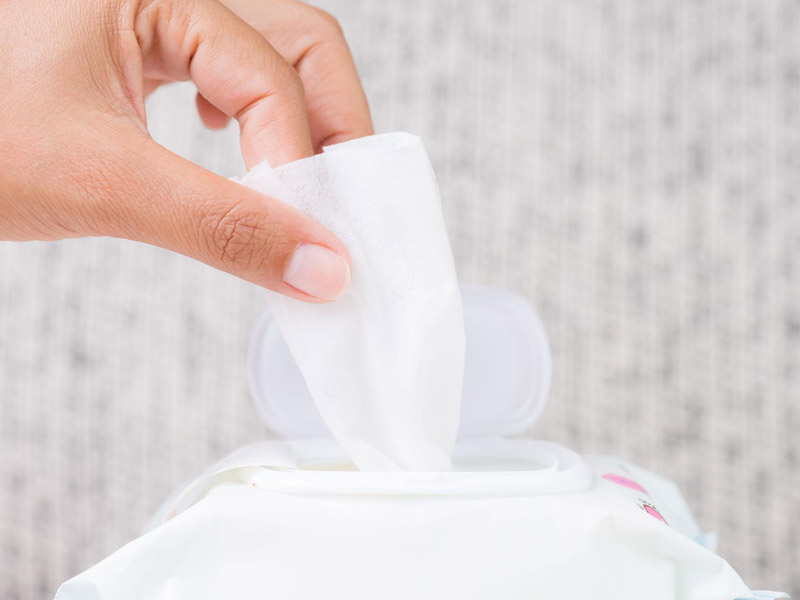
- Disposable hygiene products: Diapers, feminine care products, and adult incontinence products utilizing soft SMS fabrics
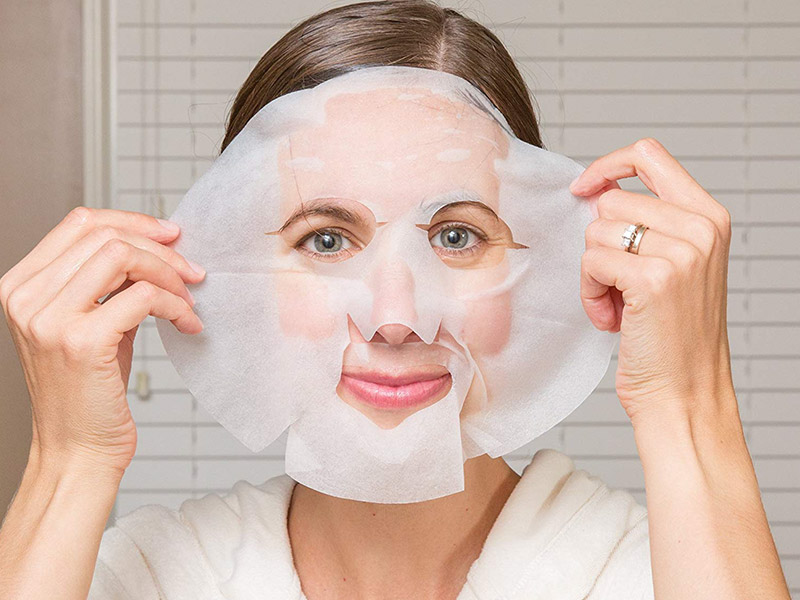
- Medical disposables: Face masks, protective clothing, and surgical caps requiring bacterial filtration (95-99% efficiency with meltblown layers)
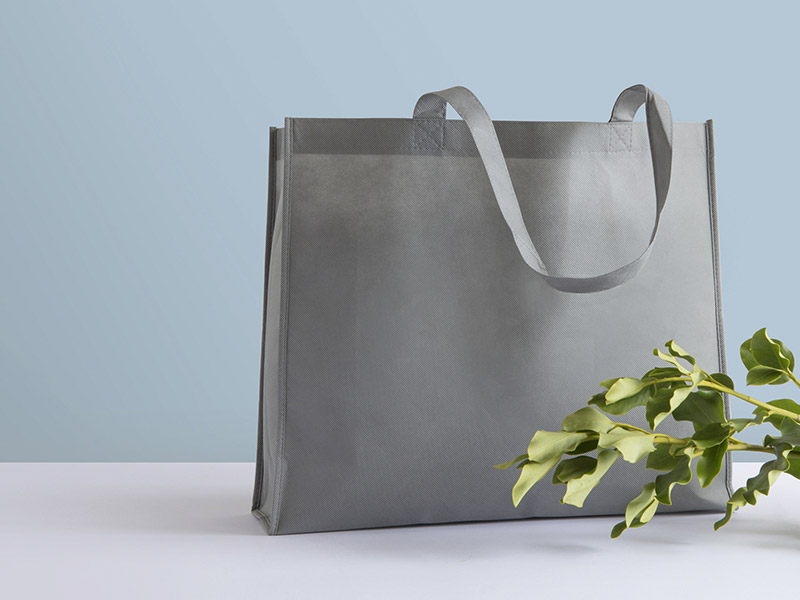
- Packaging materials: Shopping bags, agricultural covers, and protective wrapping where cost efficiency is paramount
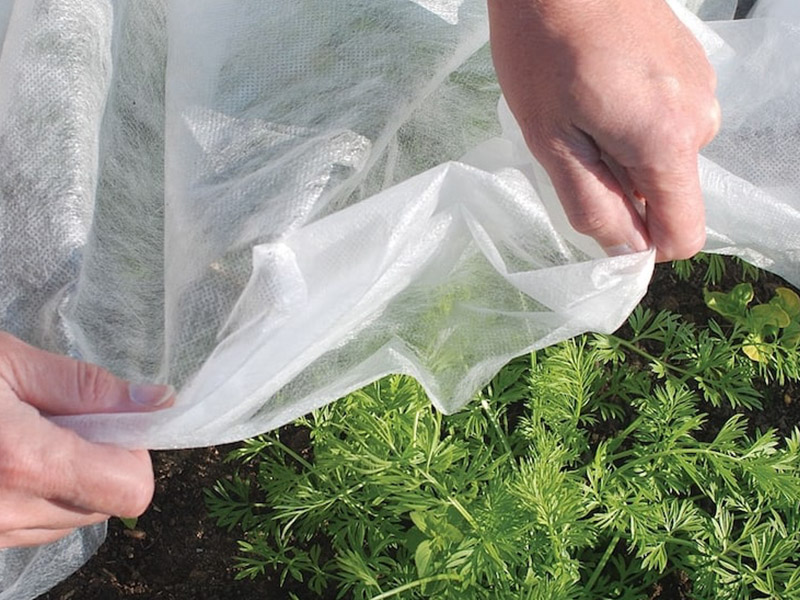
- Agriculture: Crop covers, weed control fabrics for short-term (1 season) applications
- Furniture and bedding: Mattress covers, furniture backing, and cushion interliners
The global market reflects these application patterns: the disposable hygiene sector consumes approximately 45% of polypropylene non woven production, while geotextiles and construction account for 35% of polyester non woven usage.
Environmental Impact and Sustainability
Both materials present environmental challenges as petroleum-based synthetics, but with different sustainability profiles. Polyester non woven fabrics offer significantly better recyclability, with established PET recycling infrastructure allowing mechanical recycling into new fibers. Recycled polyester (rPET) non wovens maintain 85-90% of virgin material properties and reduce carbon emissions by approximately 32% compared to virgin production.
Polypropylene recycling faces technical challenges due to degradation during reprocessing, though chemical recycling methods are emerging. Current recycling rates show polyester at 25-30% globally versus polypropylene at 1-2%. However, polypropylene's lighter weight (33% less dense than polyester) reduces transportation emissions and material consumption per square meter.
Biodegradability and Disposal
Neither material is biodegradable in natural environments. Laboratory studies indicate degradation timelines of 20-30 years for polypropylene and 50-100 years for polyester under optimal composting conditions. Incineration energy recovery yields approximately 46 MJ/kg for polypropylene and 22 MJ/kg for polyester, making polypropylene more efficient for waste-to-energy applications.
Selection Criteria for Specific Projects
Choose Polyester Non Woven Fabric When:
- Application requires service life exceeding 3 years
- Exposure to UV radiation or outdoor weathering is expected
- Operating temperatures exceed 150°C
- High tensile strength (>25 N/5cm) is required
- Recyclability and environmental sustainability are priorities
- Dimensional stability under stress is critical
Choose Polypropylene Non Woven Fabric When:
- Application is disposable or single-use
- Cost minimization is the primary concern
- Superior chemical resistance to acids and alkalis is needed
- Hydrophobic properties are essential
- Lightweight material is preferred (weight reduction of 30-35% versus polyester)
- Indoor applications with no UV exposure
For projects with moderate requirements, hybrid approaches using both materials can optimize performance and cost. For example, agricultural row covers often use polypropylene for the base layer (cost efficiency) with a polyester top layer (UV resistance), extending service life by 60% compared to pure polypropylene at only 15% additional cost.
Processing and Manufacturing Considerations
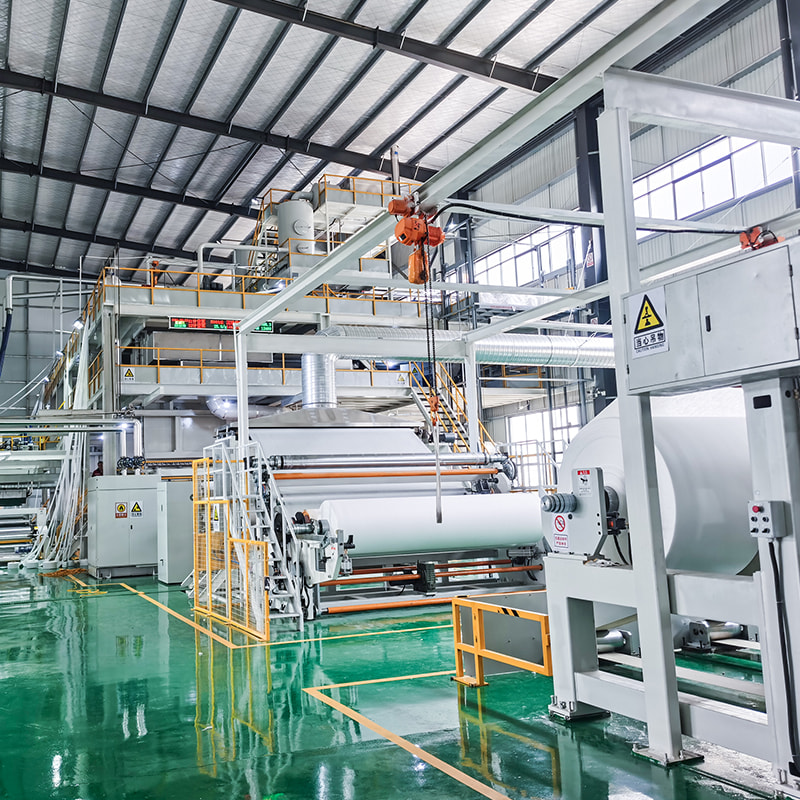
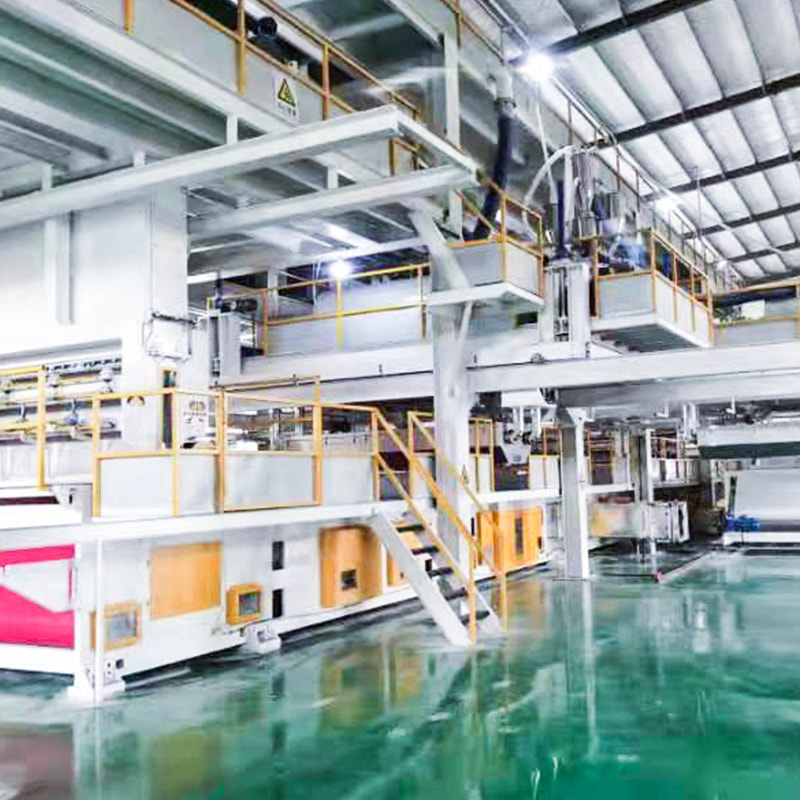
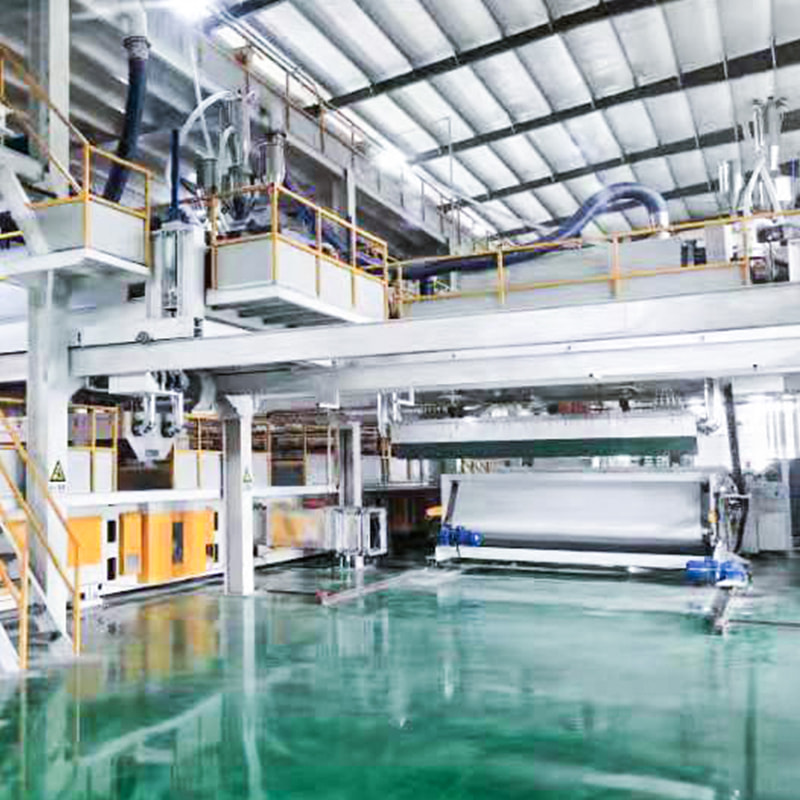
Manufacturing efficiency differs substantially between the two materials. Polypropylene's lower melting point enables production speeds 20-40% faster than polyester, with typical spunbond lines running at 600-800 meters per minute for polypropylene versus 400-600 meters per minute for polyester. This speed advantage translates directly to lower manufacturing costs.
Polyester requires more sophisticated equipment due to higher processing temperatures and often demands needle-punching for adequate fiber entanglement, adding production steps. However, polyester's superior dyeability allows vibrant, colorfast products—disperse dyes achieve excellent penetration, while polypropylene requires solution dyeing or surface treatments for coloration.
Quality Control Parameters
Industry standards specify different testing protocols. Polyester non wovens typically undergo rigorous testing for tensile strength (ASTM D5034), tear resistance (ASTM D4533), and UV degradation (ASTM D4355). Polypropylene quality control emphasizes basis weight uniformity (±3% tolerance), barrier properties (ASTM F2101 for medical applications), and bonding strength for laminated constructions.
Market Trends and Future Developments
The global non woven fabrics market reached $52.3 billion in 2023, with polypropylene commanding approximately 63% market share and polyester holding 15%. Growth projections through 2030 show polypropylene expanding at 6.2% CAGR driven by hygiene product demand in emerging markets, while polyester grows at 7.8% CAGR fueled by infrastructure development and automotive lightweighting initiatives.
Innovation focuses on sustainability improvements for both materials. Bio-based polypropylene from renewable feedstocks has entered commercial production at 10-15% price premiums, while polyester producers increasingly utilize rPET, with some manufacturers achieving 100% recycled content in non woven products. Biodegradable additives are being developed to accelerate decomposition, though performance trade-offs remain significant.
Technological advances in hybrid fabrics combining both materials show promising results. Recent developments in multilayer SMS structures alternating polyester and polypropylene layers achieve 25-30% performance improvements in filtration efficiency while reducing costs by 12-18% compared to pure polyester constructions.


 +8613621544385
 No.29 Xinhua Road, Jiashan Village,Jiaxing City Zhejiang P.R., China