


 English
 中文简体
中文简体 русский
 عربى
عربىPolypropylene Absorbent Hygiene Market: Growth & Equipment Trends
Content
- 1 Market Overview and Key Growth Drivers
- 2 Application Segments Driving Polypropylene Demand
- 3 Material and Technology Trends Shaping Equipment Choice
- 4 Regional Production Hubs and Supply Chain Considerations
- 5 Key Equipment Requirements for Hygiene Nonwoven Production
- 6 Conclusion – Aligning Equipment Investment with Market Growth
A factory owner evaluating a new spunmelt line for hygiene nonwovens needs to know one figure first: the polypropylene absorbent hygiene market is on track to exceed $11 billion before 2031. That estimate — echoed by multiple industry analysts — represents a compound annual growth rate between 4.4% and 4.9%. For manufacturers purchasing equipment with a 15-year operational horizon, the direction is unmistakable. Demand for topsheets, backsheets, leg cuffs, and acquisition distribution layers built from polypropylene spunbond, meltblown, and multi-layer composites will increase steadily across all major geographies.
Market Overview and Key Growth Drivers
Multiple research sources place the polypropylene absorbent hygiene market in the $80–$90 billion range, with projections rising to over $110 billion by the early 2030s. Baby diapers account for about 49% of revenue, while feminine hygiene and adult incontinence claim the remainder. Asia-Pacific captures more than 40% of global consumption, driven by the world’s largest birth cohorts, rapid urbanization, and expanding retail access in India, China, and Southeast Asia.
Three structural forces sustain this expansion. First, birth rates remain high across Africa and parts of Asia, where 85% of global births now occur. Second, disposable income growth allows more households to switch from cloth to single-use hygiene products. Third, age-related incontinence rates climb in mature economies; Japan, Western Europe, and North America are already seeing double-digit growth in adult pull-up pants and underpad sales. E-commerce has further compressed distribution cycles, enabling brands to reach underserved regions faster while requiring consistent, high-volume fabric supply from converters.
Application Segments Driving Polypropylene Demand
Each hygiene category places distinct demands on the nonwoven fabrics that go into a finished product. Understanding those differences is essential when specifying machine configurations and raw-material capabilities.
Baby Diapers – Volume Leader with Premium Shift
Baby diapers remain the dominant volume driver, but value growth increasingly comes from premium and ultra-premium tiers. Parents demand thinner cores, softer topsheets, and breathable barriers that lower the risk of diaper rash. These performance attributes depend on sub-3 denier spunbond polypropylene and high-loft acquisition layers. To produce that grade of fabric at commercially viable speeds, a spunmelt line must hold uniform filament diameter across the full web width and maintain tight basis-weight variability — typically 14–18 gsm for topsheet and backsheet materials.
Feminine Hygiene – from Standard to Skin-Friendly
Feminine hygiene applications increasingly incorporate sensory features — aloe coatings, lotion-impregnated covers, and printed backsheets — alongside mainstream requirements for softness and opacity. These additions require machine platforms that can integrate inline slot-die coating, corona treatment, or rotary gravure printing without sacrificing line speed. Lighter absorbency core wraps, often 10–12 gsm hydrophobic spunbond, are also expanding as consumers adopt daily panty liners in urban markets. Any investment decision should confirm whether a machine can handle low-basis-weight rolls without excessive neck-in or fiber breakage.
Adult Incontinence – the Fastest Growing Segment
Adult incontinence products are forecast to outpace both baby and femcare growth, particularly in populations over 65. Products must manage higher fluid loads while maintaining discretion; this translates to demand for SMS and SMMSS fabrics that combine spunbond strength with meltblown barrier properties. Manufacturers are leveraging multi-beam equipment to create zoned absorbent layers that distribute fluid evenly, reduce rewet, and permit thinner final constructions. Producers who cannot deliver at least a 2-beam composite structure risk being locked out of institutional tenders that now specify multi-layer backsheet performance.
Material and Technology Trends Shaping Equipment Choice
Market growth alone does not determine which machines will be profitable. The technical demands embedded in evolving hygiene design standards are shifting equipment specifications across the supply chain.
Sustainability – Mono-Material and Bio-Based PP
Major brand owners have committed to fully recyclable or compostable diaper architectures by the mid-2030s. That push accelerates development of single-polymer polypropylene backsheet designs and bio-based PP resins derived from renewable feedstocks. A competitive spunmelt line today should accommodate a wide melt-flow-index range — from 25–40 MFI for traditional homopolymer up to 55 MFI for bio-attributed grades — without degrading fiber formation. Precision temperature control in the extruder and spin beam, combined with corrosion-resistant melt piping, becomes non-negotiable when running sensitive bio-resins. Manufacturers evaluating new equipment should review advanced spunmelt machine features for eco-friendly production to understand how modern systems handle these boundary conditions.
Fiber Technology – Finer Denier and Multi-Layer Structures
The hygiene industry’s move toward sub-2 denier filaments in spunbond and nano-scale meltblown fibers places extraordinary demands on spinneret design, quench air uniformity, and web handling. Filaments below 2 denier in a high-speed spunbond beam require more capillaries per hole, upgraded Godet precision, and closed-loop tension control to avoid filament vibration. On the meltblown side, achieving a 3–5 µm fiber diameter while maintaining throughput requires exact die-to-collector distance optimization and high-temperature resistant die tips. Multi-layer SMS and SMMSS lines that can deliver a combined fabric with ≤15 gsm total basis weight while holding a hydrostatic head above 200 mm H₂O are emerging as the benchmark for premium hygiene applications.
Automation and Industry 4.0
In regions with high labor costs or strict quality-audit requirements, fully integrated monitoring is shifting from a differentiator to a baseline expectation. Real-time basis-weight scanning, automatic die-bolt adjustment, and defect-camera systems that flag carbonized spots or fiber aggregates reduce off-spec waste by 15–20% in benchmark installations. More sophisticated lines incorporate edge-guide servo control that reduces trim waste to under 25 mm per side, improving usable roll yield. These automation features shorten the payback period even on high-investment composite machines, and they enable a single operator to manage a line that previously required three.
Regional Production Hubs and Supply Chain Considerations
New capacity announcements cluster in India, Vietnam, Turkey, and the Middle East, where governments are offering investment incentives for local hygiene manufacture to reduce import dependence. A converter building a factory in Gujarat or Ho Chi Minh City faces fundamentally different supply chain conditions than one in North Carolina: polypropylene resin availability may be less reliable, power quality can fluctuate, and skilled technicians for multi-beam lines are scarce. Equipment specifiers are therefore prioritizing machines with higher energy efficiency — measured in kWh per kg of fabric — and wider resin latitude, so a single line can process local cheap-grade polymer when virgin offshore material is delayed. Learn more about hygiene product nonwoven applications across different regions and quality benchmarks.
Key Equipment Requirements for Hygiene Nonwoven Production
Translating market forecasts into machinery investments means setting clear technical thresholds. Below are the capabilities now expected of any new spunmelt installation aimed at the absorbent hygiene sector.
Spunbond Systems for Topsheet and Backsheet
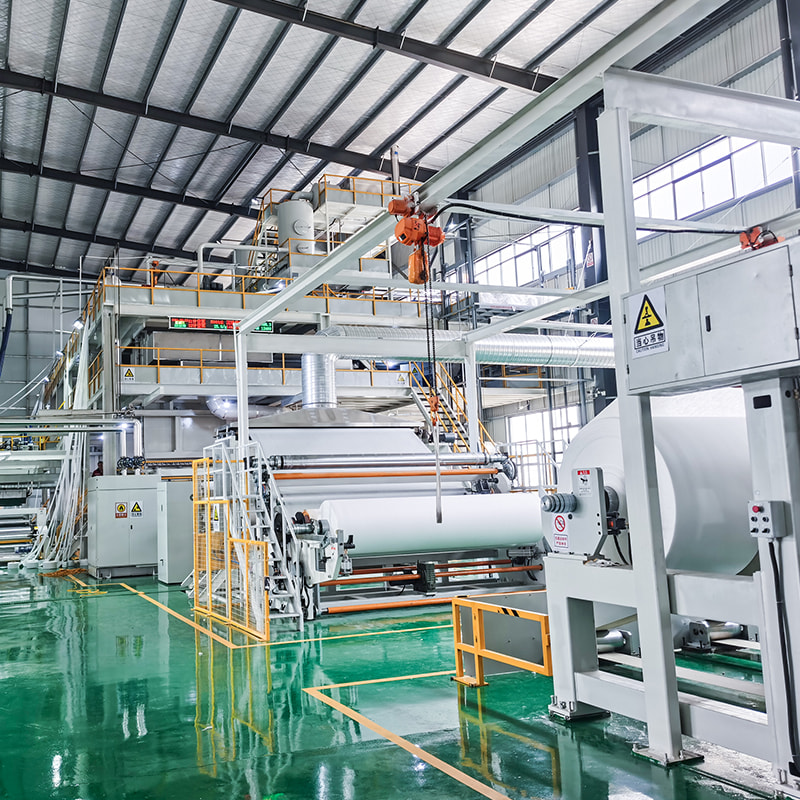
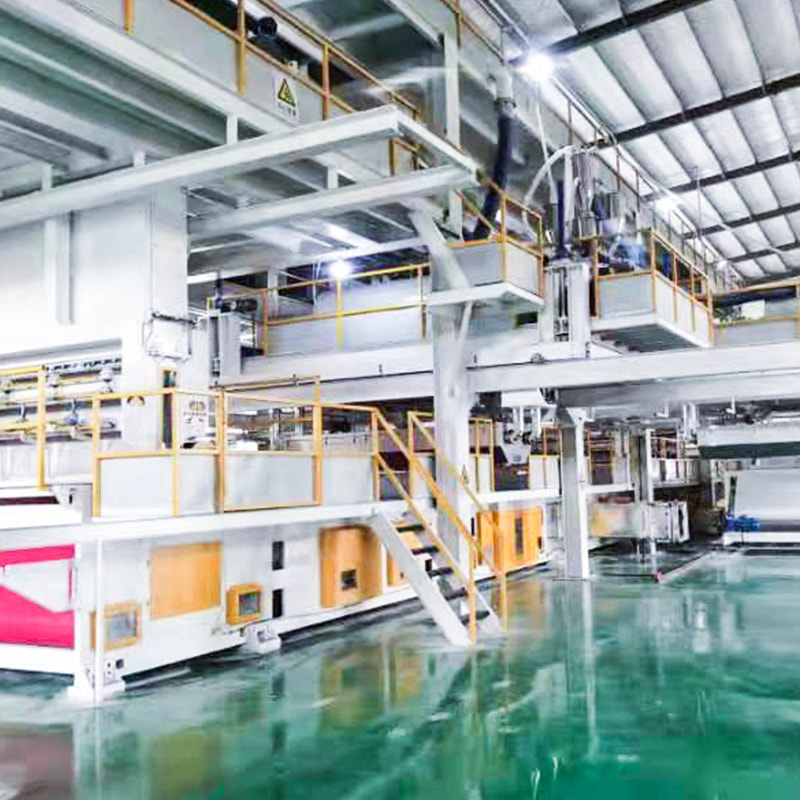
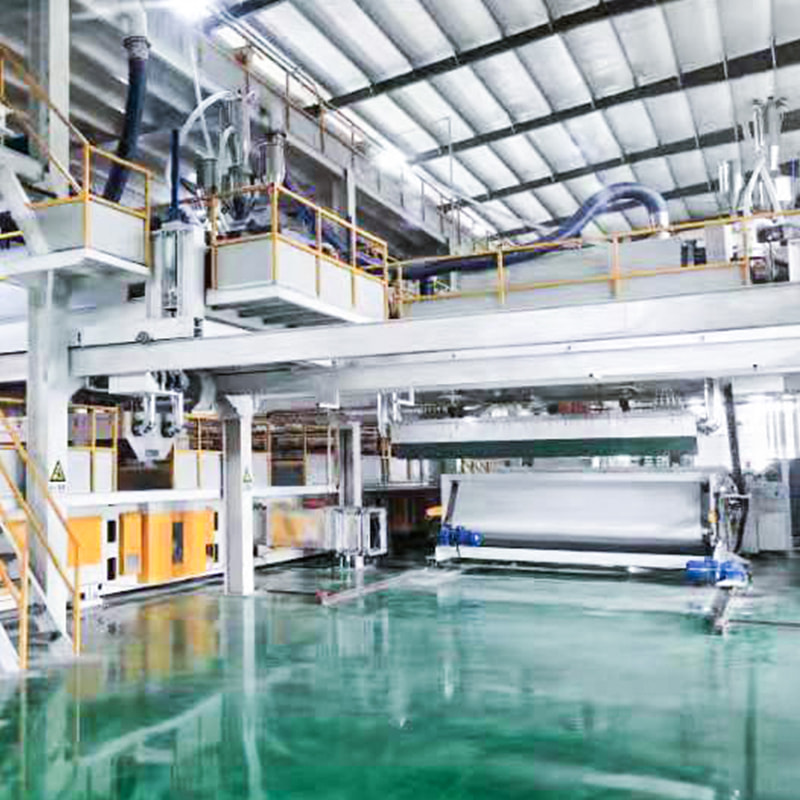
Single and double-beam SS spunbond machines remain the backbone of hygiene roll goods. Current high-output lines deliver fabric widths up to 3.2 m at production speeds exceeding 400 m/min, with filament deniers adjustable from 1.5–2.5 dpf. For producers targeting breathable backsheets, the line should support inline stretching or embossing that creates microporous structures while preserving tensile strength. A machine that cannot maintain a consistent CD/MD ratio above 0.7 at top speed will generate costly converting waste. See our double-beam SS spunmelt machine for hygiene topsheet performance metrics.
Meltblown Systems for Absorbent Core Layers
Meltblown layers serve dual roles: they act as a superabsorbent polymer carrier and provide a fluid-distribution network in acquisition distribution layers. A dedicated meltblown line for hygiene must reliably produce fibers in the 2–5 µm range while the extruder processes PP with a MFI between 800 and 1500. Die-hole density, hot-air temperature uniformity across the web, and collector vacuum pressure determine whether the fabric meets the combined targets of air permeability and hydrostatic head. In many SMS and SMMSS configurations, a standalone view our PP meltblown nonwoven machine specifications will be integrated between two spunbond beams to form a continuous composite line.
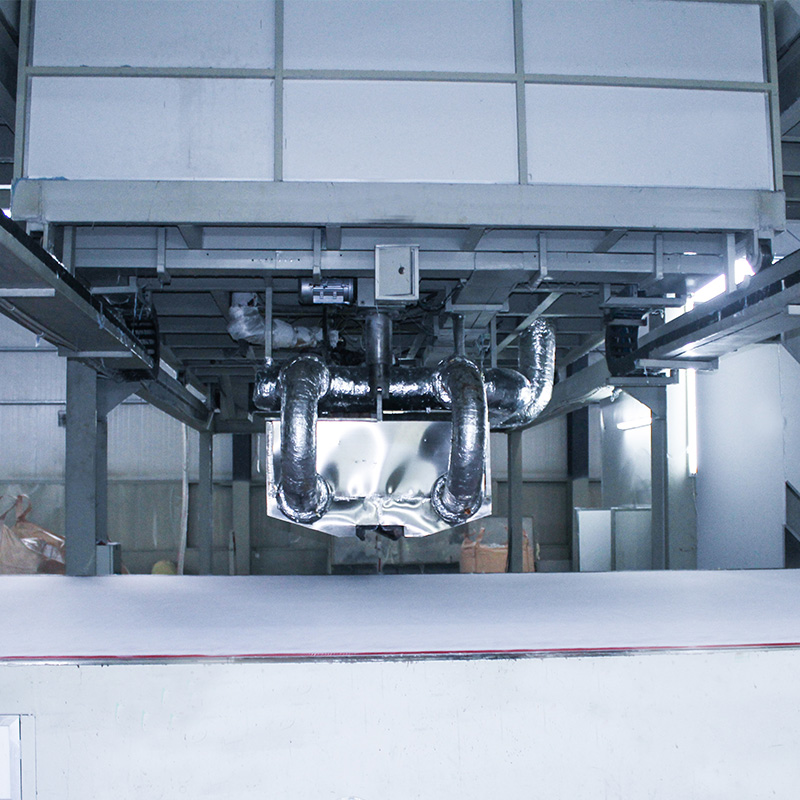 Wholesale Melt Blown Machine Manufacturers, OEM FactoryJIASHAN HH Nonwovens Machinery CO., Ltd is China melt-blown machine manufacturers and OEM melt-blown machine factory. we offer wholesale ...View Product →
Composite Spunmelt Lines (SMS/SMMSS) for High-Performance Products
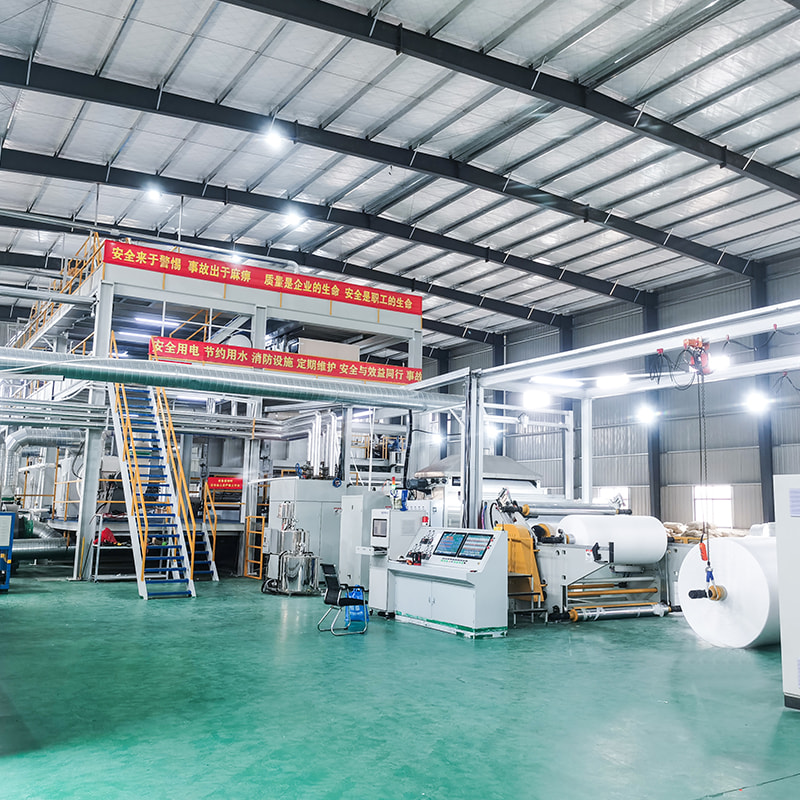
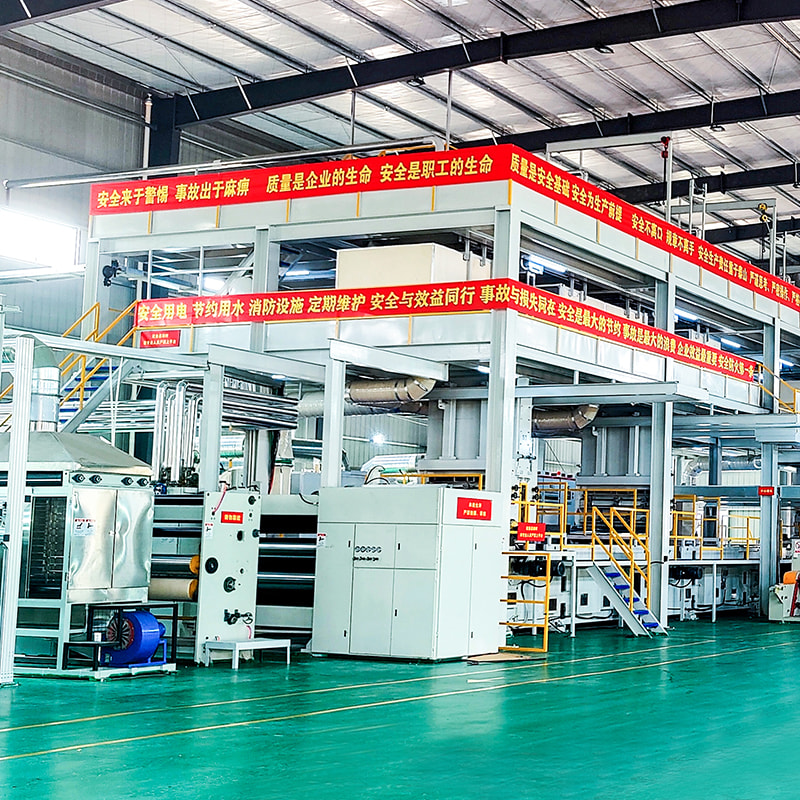
Composite lines — typically configured as SM, SMS, SMMS, or SMMSS — marry the durability of spunbond with the filtration and barrier properties of meltblown. An SMMSS structure, for example, uses two outer spunbond layers, two inner meltblown layers, and a central spunbond scrim to achieve superior barrier without stiff hand feel. These fabrics are the standard for adult incontinence backsheet and premium baby diaper leg cuffs. Buyers should demand modular beam architecture that allows adding or repositioning meltblown stations as product specifications evolve. Understanding exactly which fabric construction a line must produce is critical; SMS nonwoven fabric features and applications in hygiene provide a detailed technical breakdown. For converters ready to move into high-barrier composites, explore our SMMS nonwoven fabric production line designed for continuous 24/7 operation at commercial volumes.
Conclusion – Aligning Equipment Investment with Market Growth
Forecasts for the polypropylene absorbent hygiene market leave little room for ambiguity: a 4–5% annual growth trajectory will persist for at least a decade, powered by demographics, hygiene awareness, and product innovation. For equipment buyers, that macro-level confidence must translate into machinery specifications that are technically defensible today and adaptable five years from now. A machine that combines spunbond and meltblown capability in a single configurable platform, handles a broad resin envelope, and meets emerging sustainability mandates will be the asset that protects margins in the coming cycle. Aligning investment with these market signals means evaluating bids not on capital cost alone, but on fiber quality at speed, energy consumption per tonne, and the ability to reconfigure beam layout as hygiene brands rewrite their fabric playbooks.


 +8613621544385
 No.29 Xinhua Road, Jiashan Village,Jiaxing City Zhejiang P.R., China