

 English
 中文简体
中文简体 русский
 عربى
عربىPP Spunbond Nonwoven Fabrics: Eco-Friendly vs Biodegradable?
Content
- 1 Why the claim “PP spunbond nonwoven fabrics are environmentally friendly and biodegradable” needs precision
- 2 What makes PP spunbond nonwoven fabrics environmentally friendlier in real projects
- 3 Biodegradable, compostable, and “oxo”: the definitions that determine what you can claim
- 4 So, are PP spunbond nonwoven fabrics biodegradable?
- 5 A procurement checklist: how to make PP spunbond nonwoven fabrics more sustainable (and how to verify claims)
- 6 Material options compared: PP spunbond vs certified compostable nonwovens
- 7 Practical conclusions for compliant marketing and better outcomes
Why the claim “PP spunbond nonwoven fabrics are environmentally friendly and biodegradable” needs precision
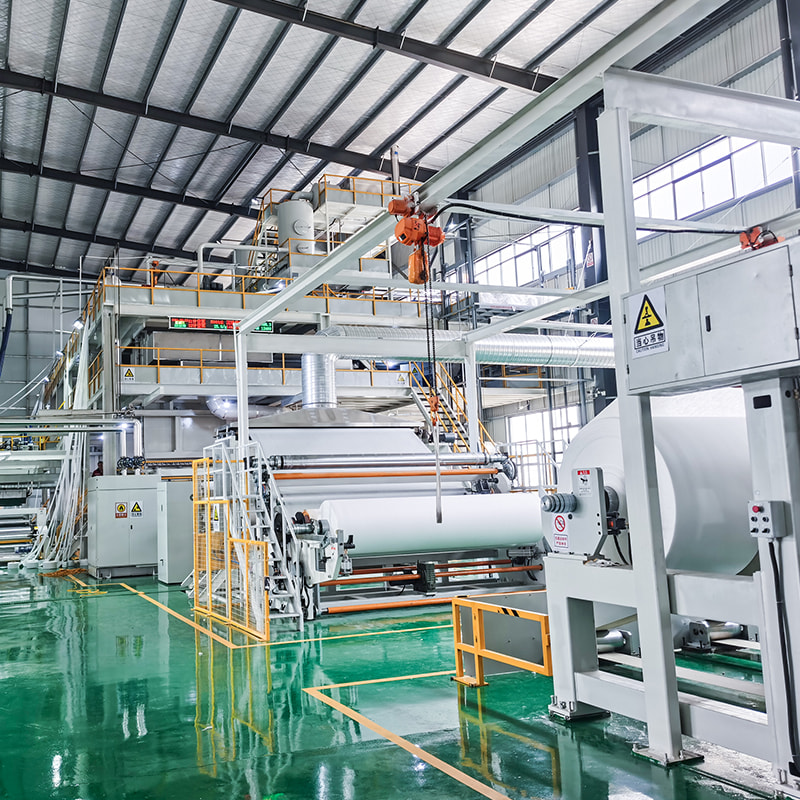
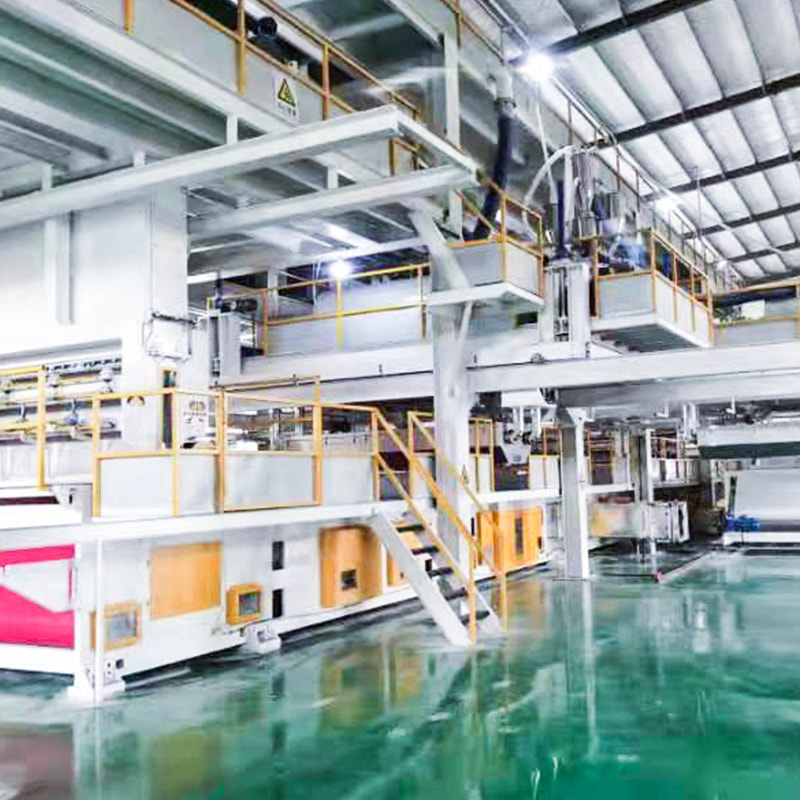
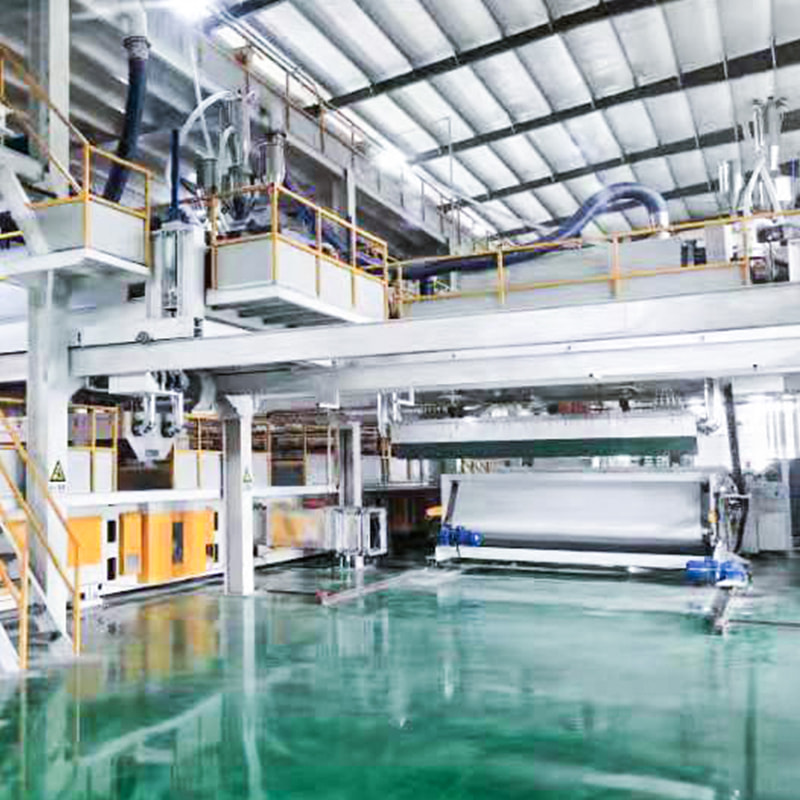
PP spunbond nonwoven fabrics are widely used because they are lightweight, strong, and economical in high-volume applications (hygiene, medical, agriculture, and construction). Sustainability conversations often compress multiple ideas—resource efficiency, recycling, and biodegradation—into one headline. In practice, these are different performance claims with different proof requirements.
A practical way to evaluate the statement is to split it into two questions: Is the product materially “environmentally friendlier” than alternatives in its use case? and Is it truly biodegradable in a defined environment and timeframe? The second question is where many misunderstandings occur.
What makes PP spunbond nonwoven fabrics environmentally friendlier in real projects
“Environmentally friendly” is not a material property; it is a system outcome. PP spunbond can contribute to better outcomes when it reduces total material use, improves durability, or enables viable end-of-life routes (especially recycling) compared with heavier or more complex substitutes.
Material efficiency: less mass per function
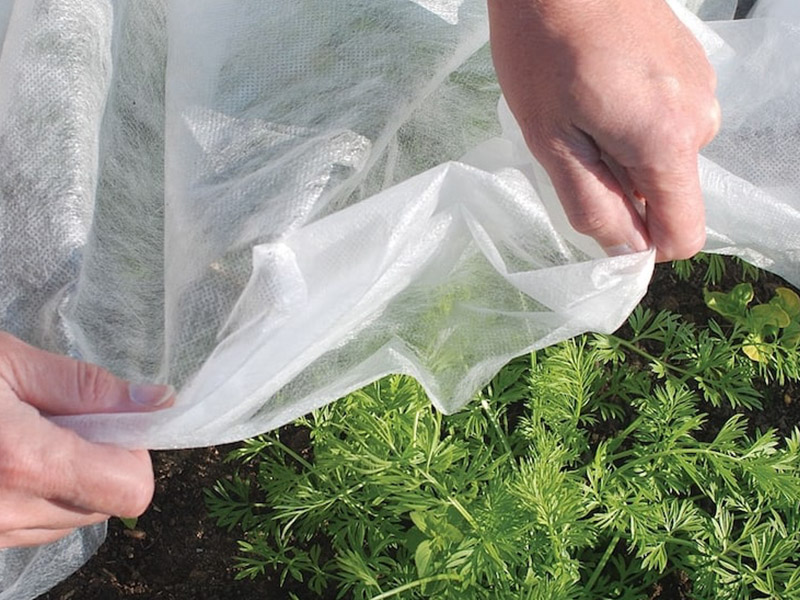
Spunbond nonwovens can deliver strength and coverage at low basis weights, which can reduce shipped mass and upstream resource demand. In applications like protective covers, crop fabrics, and packaging wraps, this “less material for the same performance” effect is often the first sustainability lever.
Mono-material simplicity: a path to recycling (when kept clean)
PP spunbond products that remain relatively clean and mono-material are generally easier to mechanically recycle than multi-layer or multi-polymer structures. Industry recycling guidance also notes that PP spunbond nonwovens are straightforward to process on recycling lines (in particular for production scrap and controlled streams).
Where “eco” breaks down: contamination and mixed constructions
In hygiene and many medical uses, the fabric becomes biologically contaminated or combined with adhesives, elastics, films, and superabsorbents. That complexity can block mechanical recycling even if the fabric itself is PP. This is why the sustainability outcome depends more on product design and waste logistics than on polymer choice alone.
- Best-case streams: clean offcuts, factory scrap, and take-back programs with controlled sorting.
- Hard-to-recycle streams: used hygiene/medical items, heavily soiled agricultural fabrics, and composite laminates.
Biodegradable, compostable, and “oxo”: the definitions that determine what you can claim
To avoid greenwashing risk, biodegradability must be tied to a specific environment and test method. Government and standards bodies emphasize that biodegradability depends on conditions such as temperature, humidity, oxygen availability, and microorganisms present.
Compostable is a narrower, testable subset
Compostable plastics are typically framed as a subset of biodegradable plastics that break down under composting conditions, with industrial composting often operating around 55–70°C with high humidity and oxygen. Materials that perform in industrial composting may not break down in home composting or open environments.
Test standards matter: controlled composting is not “nature”
Standards such as ISO methods for aerobic biodegradability under controlled composting conditions are designed to measure biodegradation in defined laboratory setups. Passing (or failing) such tests does not automatically translate to “biodegrades in soil, rivers, or the ocean,” unless those environments are explicitly tested and claimed.
So, are PP spunbond nonwoven fabrics biodegradable?
In typical real-world disposal conditions, PP (polypropylene) is not considered readily biodegradable. PP’s carbon–carbon backbone is inherently resistant to microbial attack, which is why PP products can persist for long periods if littered or landfilled.
What the research actually shows (and what it does not)
There are studies exploring microbial or additive-assisted degradation pathways for PP under laboratory or tightly controlled conditions. For example, one experimental study reported measurable PP weight loss after a 90-day incubation using a specific microorganism under test conditions—evidence that partial degradation mechanisms can occur, but not proof of practical biodegradation at scale in everyday environments.
Why “oxo-degradable” is not a safe shortcut
“Oxo” approaches typically aim to accelerate fragmentation via pro-oxidant additives, but fragmentation is not the same as biodegradation. EU policy materials explicitly state that oxo-degradable plastic does not properly biodegrade, can contribute to microplastic pollution, and can negatively affect recycling—reasons why restrictions were adopted.
A procurement checklist: how to make PP spunbond nonwoven fabrics more sustainable (and how to verify claims)
If your intent is genuinely “environmentally friendly,” the most constructive approach is to specify measurable requirements. Use the checklist below to align suppliers, product design, and disposal reality.
Specification questions that prevent vague “green” marketing
- Is it 100% PP (mono-material), or is it laminated/coated with PE, PET, EVA, or barrier films?
- What is the intended end-of-life route: reuse, mechanical recycling, chemical recycling, energy recovery, or landfill?
- If “biodegradable” is claimed, which environment (industrial compost, home compost, soil, marine) and which standard supports it?
- What contamination is expected in use (food oils, biofluids, pesticides), and what collection/sorting controls exist?
- Is recycled content used, and is it verified (traceability, mass-balance claims, or third-party auditing)?
Operational tactics that improve outcomes
- Prefer light colors or unpigmented PP to improve sorting and recycled pellet quality.
- Avoid unnecessary coatings, heavy printing, and mixed-polymer attachments when recyclability is the goal.
- For industrial users, set up closed-loop collection for clean offcuts and rolls to enable consistent recycling feedstock.
- Where contamination is unavoidable, document why recycling is infeasible and select the least-impact disposal route available locally.
Material options compared: PP spunbond vs certified compostable nonwovens
If your application requires end-of-life biodegradation (for example, controlled organic recycling), PP spunbond is typically not the default solution. The table below is a practical comparison framework to support fit-for-purpose selection.
| Route | Typical strength / cost profile | Recycling potential | Biodegradable / compostable claim viability | Best-fit use cases |
|---|---|---|---|---|
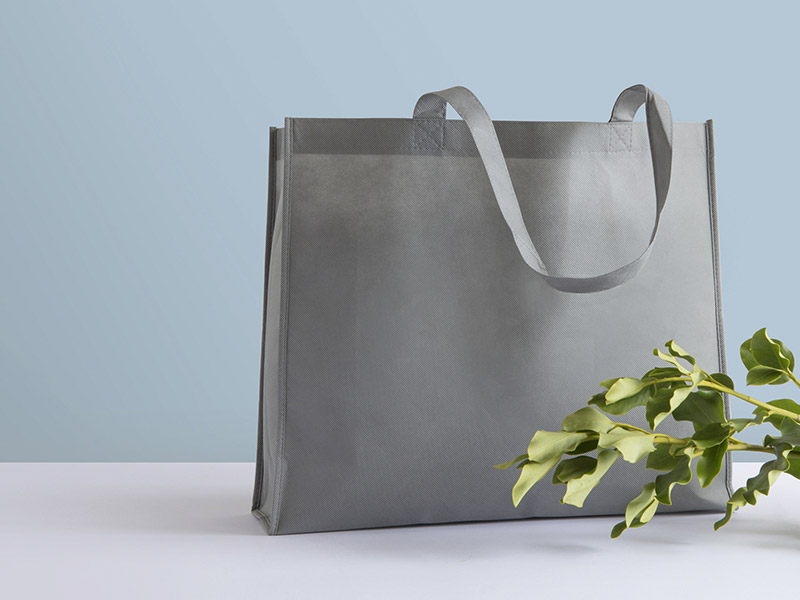
| PP spunbond (mono-material) | High strength, cost-effective | Good for clean, controlled streams | Generally not readily biodegradable | Reusable bags, agriculture covers, clean industrial wraps |
| PP composites (laminated / mixed) | Optimized barriers, variable cost | Often difficult due to separation needs | Claims must be component-specific | Medical barriers, specialty packaging |
| Certified compostable nonwovens (e.g., PLA/PHA/cellulosics) | Often higher cost; performance varies | Recycling depends on local infrastructure | Stronger fit when certified for specific composting conditions | Food-contact organics diversion, controlled composting programs |
If your requirement is “biodegradable,” ensure the supplier states the environment and supporting test method; “industrial compostable” commonly relies on controlled conditions that may not exist in general waste handling.
Practical conclusions for compliant marketing and better outcomes
Conclusion: PP spunbond nonwoven fabrics can be positioned as more environmentally friendly when they reduce material use and are paired with credible collection and recycling pathways. However, describing standard PP spunbond as “biodegradable” is usually not technically defensible without narrowly defined conditions, evidence, and careful wording.
- Use “recyclable” only when a realistic collection/sorting route exists for the product’s typical contamination level.
- Use “biodegradable/compostable” only with the specific environment + standard clearly stated.
- Avoid “oxo-biodegradable” positioning where regulatory and microplastics concerns are material.


 +8613621544385
 No.29 Xinhua Road, Jiashan Village,Jiaxing City Zhejiang P.R., China