



 English
 中文简体
中文简体 русский
 عربى
عربىSpunbond Polypropylene: Properties, Specs, and Buying Guide
Content
- 1 Spunbond polypropylene in one sentence (and when it’s the right choice)
- 2 Typical properties and performance ranges you can actually spec
- 3 How spunbond polypropylene is made (so you know what can vary)
- 4 A practical spec checklist for buying or qualifying material
- 5 Application-based guidance (GSM and structure examples)
- 6 Quality control: what to test on receipt to prevent conversion surprises
- 7 Handling and converting tips (cutting, sealing, printing, and lamination)
- 8 Sustainability and end-of-life: what’s realistic with spunbond polypropylene
- 9 Bottom line: how to choose the right spunbond polypropylene quickly
Spunbond polypropylene in one sentence (and when it’s the right choice)
Spunbond polypropylene is a nonwoven sheet made from continuous PP filaments that’s chosen when you need high strength-to-weight, breathability, and low cost in a lightweight fabric-like material.
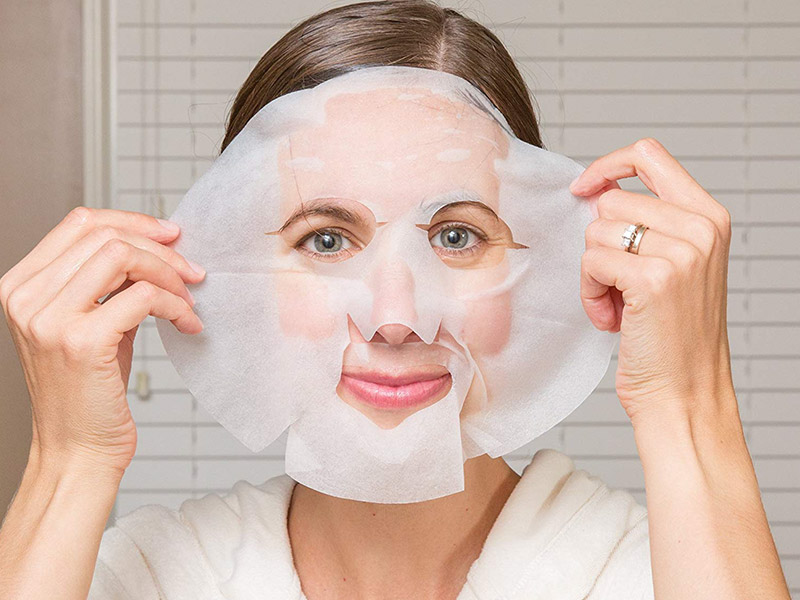
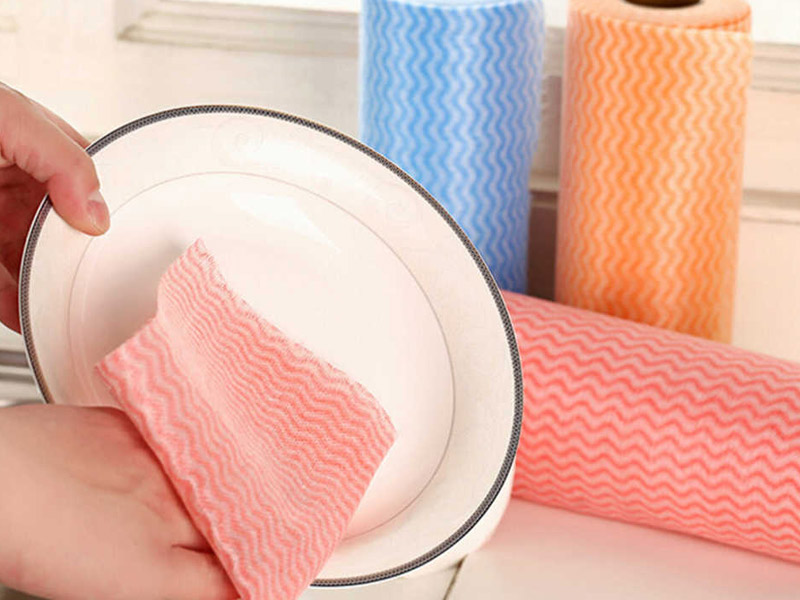
In practice, it’s the workhorse substrate for hygiene products, medical disposables, agricultural covers, packaging, and many industrial laminates because it balances durability, processability, and chemical resistance better than many paper or textile alternatives at the same basis weight.
- Choose spunbond polypropylene when you need a tough, breathable layer (e.g., outer cover stock, shopping bags, protective apparel).
- Choose meltblown or SMS (spunbond–meltblown–spunbond) when you need finer filtration or higher barrier at similar thickness.
- Choose film or coated structures when you need true liquid barrier rather than water repellency.
Typical properties and performance ranges you can actually spec
Real-world performance depends on basis weight (GSM), filament diameter, bonding pattern, additives, and finishing. The ranges below are “order-of-magnitude” anchors to help you write a meaningful requirement instead of a vague description.
| Property | Common target / range | What it affects |
|---|---|---|
| Basis weight (GSM) | 10–200 g/m² (most common: 15–120) | Thickness, strength, opacity, cost |
| Polypropylene melting point | ~160–165 °C | Heat bonding window, ironing/pressing limits |
| Density (PP resin) | ~0.90–0.91 g/cm³ | Lightweight structures, yield (m²/kg) |
| Air permeability | Wide range; higher at lower GSM and looser bond | Breathability, comfort, drying time |
| Tensile (MD/CD) | Typically MD > CD; increases with GSM and bond | Tear resistance, seam strength, handling |
| Surface energy / wetting | Naturally hydrophobic; can be made hydrophilic | Wicking, printing, coating/adhesion |
A quick cost-yield sanity check: at 50 g/m², one kilogram of material covers about 20 m² (since 50 g/m² means 0.05 kg per m²). That single number helps you convert supplier quotes into “cost per square meter” and compare options fairly.
How spunbond polypropylene is made (so you know what can vary)
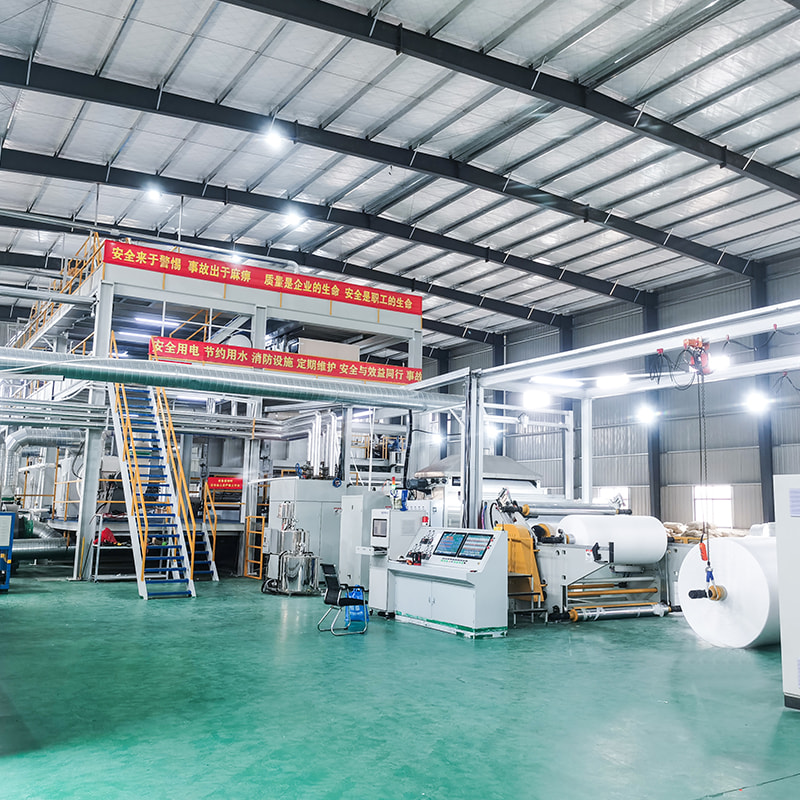
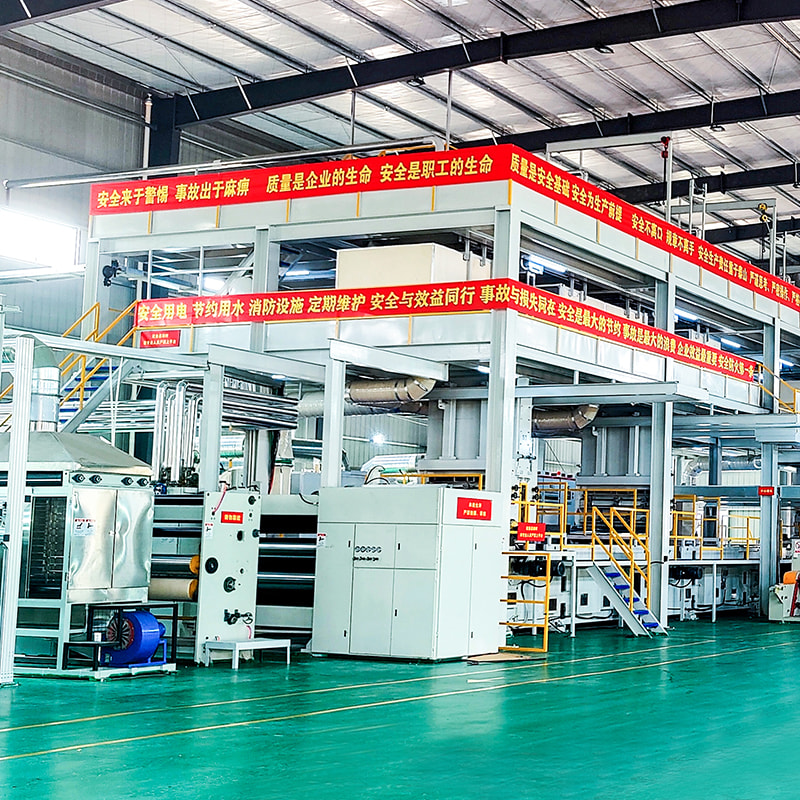
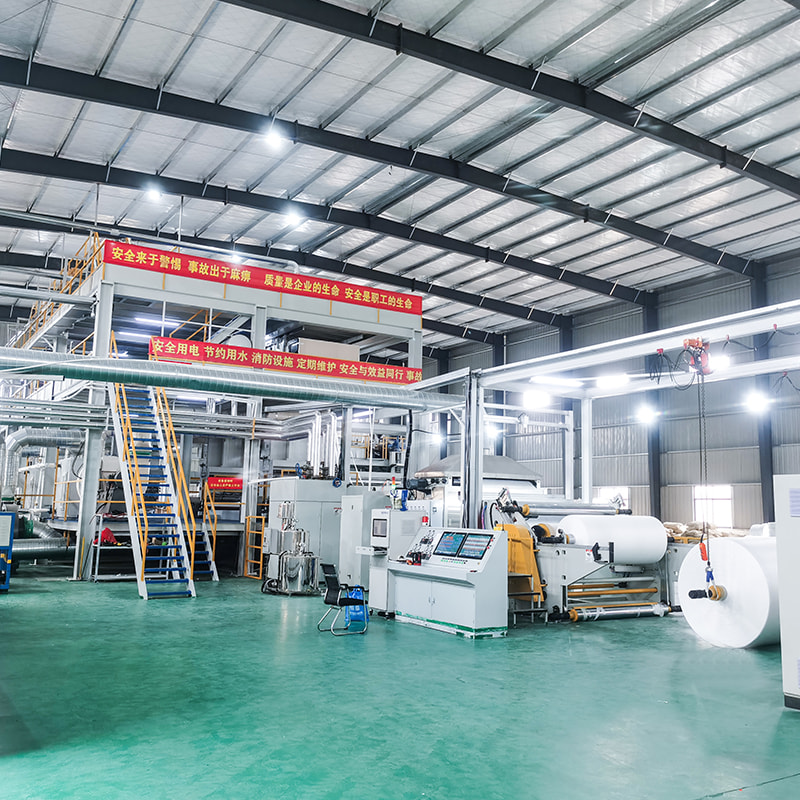
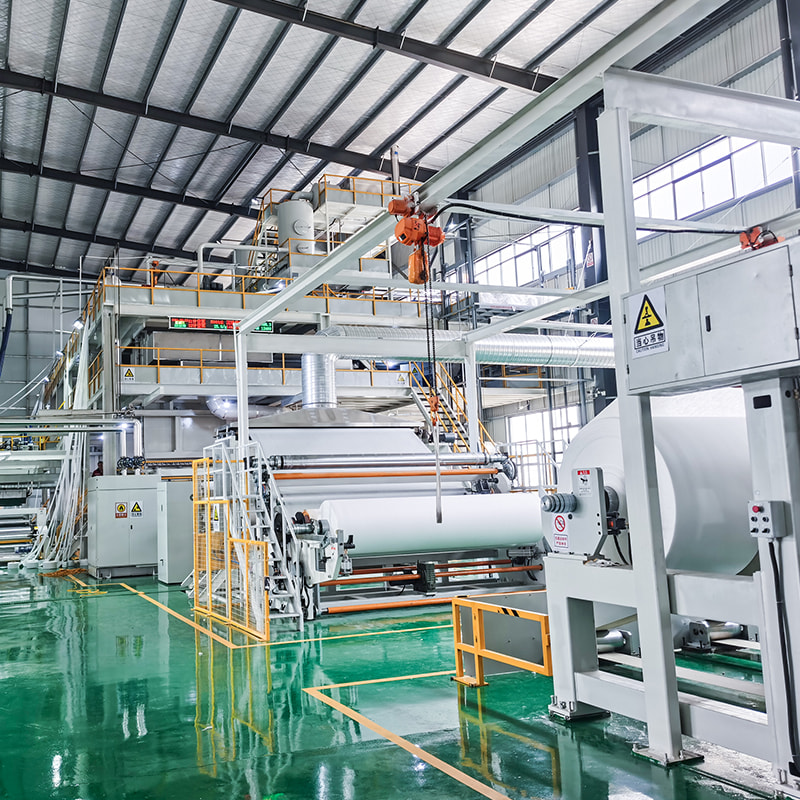
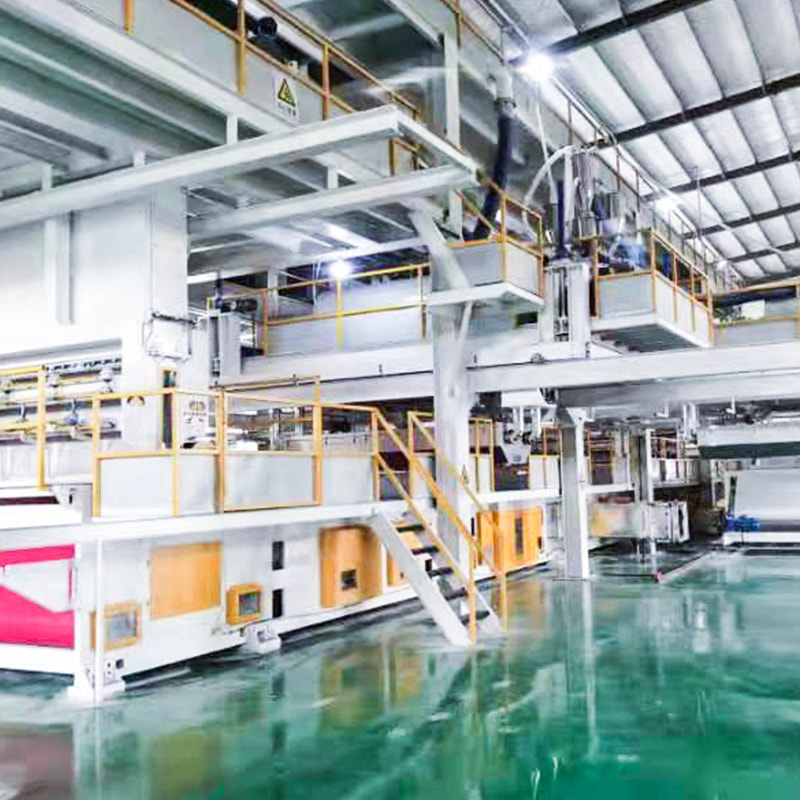
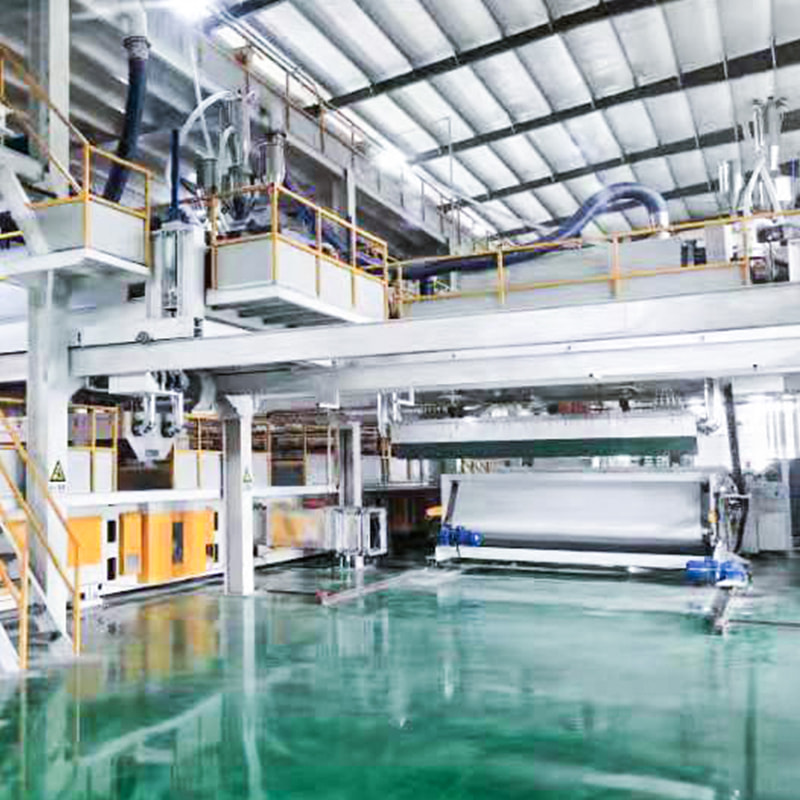
Spunbond polypropylene is produced by melting PP resin, extruding it through spinnerets into continuous filaments, drawing the filaments to orient molecules for strength, laying them as a web, and then bonding the web—most commonly by heated calender rolls.
What changes the “feel” and performance the most
- Bond pattern and bond area: higher bond area usually improves abrasion resistance but can reduce softness and air flow.
- Filament fineness and draw ratio: finer filaments generally improve drape and uniformity, while higher draw tends to improve strength.
- Web laydown and orientation: many spunbond webs are stronger in the machine direction (MD) than cross direction (CD).
- Additives/finishes: UV stabilizers, antistats, hydrophilic treatments, pigments, and slip agents can change performance more than you’d expect at the same GSM.
If you’re comparing two materials with the same GSM, ask for the bond pattern name (or photo), MD/CD tensile, and any applied finish. Those three details often explain why one “looks the same” but converts very differently.
A practical spec checklist for buying or qualifying material
The fastest way to get consistent spunbond polypropylene is to specify inputs (GSM, width, finish) plus a small set of functional outputs (tensile, permeability, barrier). Use the checklist below to avoid “apples-to-oranges” quotes.
Core construction details
- Basis weight (GSM) target and tolerance (example: 60 g/m² ±5%).
- Roll width, core ID, roll OD limits, and max splice count.
- Color/pigment requirements (natural/white/custom) and opacity needs.
- Bond pattern/finish preference (soft-hand, emboss, matte/gloss).
Functional performance tests to add (pick what matters)
- MD/CD tensile and elongation (use a method appropriate for your product category).
- Tear resistance or puncture resistance if the product sees sharp loads (bags, geotextiles).
- Air permeability for breathability-sensitive items (gowns, covers).
- Hydrostatic head or spray rating if you need water resistance (protective covers).
- Surface wetting target (hydrophilic vs hydrophobic) for absorbent systems or printing.
A good “starter spec” that works for many projects is: GSM + width + finish + MD/CD tensile + air permeability. Add barrier or tear metrics only when your use case requires them.
Application-based guidance (GSM and structure examples)
Below are common spunbond polypropylene use cases with typical construction logic. Treat the GSM values as practical starting points for trials, not fixed rules.
Hygiene and personal care
- Diaper and feminine care outer layers often use lightweight spunbond (commonly in the teens to a few dozen GSM) for softness and breathability.
- For improved barrier and filtration, SMS structures are common because the meltblown core tightens pore structure without adding much bulk.
Medical and protective apparel
- Gowns, drapes, and masks often need a defined balance of breathability and barrier—specify the barrier test that matters most (e.g., hydrostatic head or synthetic blood penetration, depending on your standard).
- If seams are critical, verify seam strength with your actual bonding method (ultrasonic, heat seal, sewing) because PP nonwovens can behave differently than woven textiles.
Reusable bags and packaging
For “nonwoven PP bags,” a common trial window is 80–120 g/m² depending on load rating and whether you laminate/print. Heavier GSM usually improves stiffness and durability but can reduce foldability.
Agriculture and outdoor covers
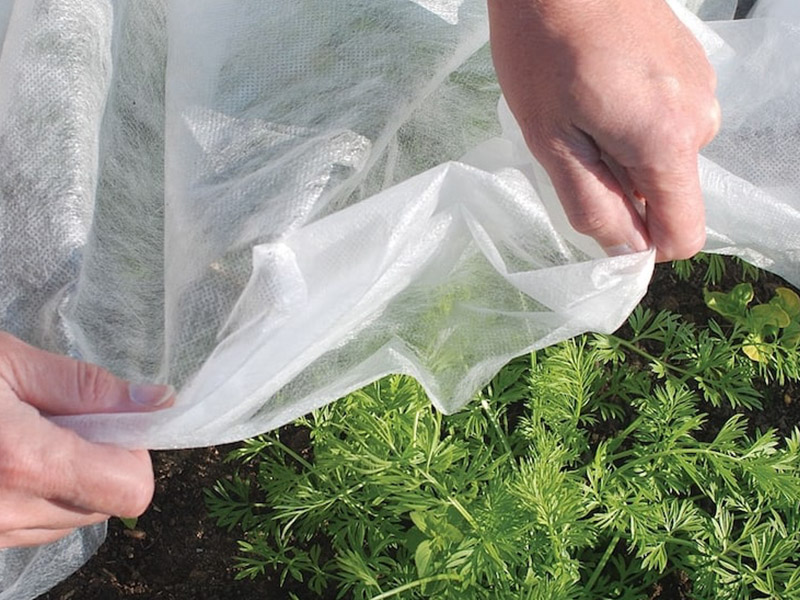
- Row covers and crop protection often use low-to-mid GSM for light diffusion and breathability; UV stabilization is often the deciding factor for service life.
- For outdoor exposure, request UV-stabilized resin/additive packages and ask suppliers for accelerated weathering data if available.
Geotextiles and construction
Higher GSM spunbond polypropylene (often 80–200 g/m² and up, depending on design) is used for separation and stabilization. Here, puncture, tear, and elongation under load tend to matter more than “feel,” so anchor your spec to the relevant civil/geotechnical standard for your region and project.
Quality control: what to test on receipt to prevent conversion surprises
Spunbond polypropylene is generally consistent, but small shifts in bonding or finish can cause big changes in printing, sealing, and runnability. A lightweight incoming inspection plan catches most issues early.
Simple incoming checks that pay off
- Basis weight and thickness at multiple roll locations (center and edges) to detect laydown drift.
- MD/CD tensile trend check against a retained “golden roll” sample.
- Surface wetting check (especially if you print, coat, or need wicking) to confirm the finish hasn’t changed.
- Visual inspection for pinholes, thin spots, or inconsistent bonding pattern/emboss.
If your downstream process is sensitive, add a small “conversion simulation” test (a short print run, a seal peel test, or a forming run) before releasing a new lot. It’s often cheaper than troubleshooting a full production stoppage.
Handling and converting tips (cutting, sealing, printing, and lamination)
Polypropylene’s low surface energy and relatively low melting point are the two levers that determine most converting outcomes. Plan around them and you’ll avoid the common pitfalls.
Heat and ultrasonic bonding
- Start with lower temperatures and shorter dwell times than you’d use for higher-melting polymers; PP can soften quickly near its melt range.
- Ultrasonic sealing often works well on spunbond structures; validate seam strength and leak paths with your actual product geometry.
Printing and adhesion
- If ink adhesion is inconsistent, consider corona treatment, primer, or a print-grade finish; untreated PP can be challenging for some ink systems.
- For laminations (film-to-nonwoven), confirm adhesive compatibility and aging performance—initial tack is not the same as long-term bond.
Storage matters: keep rolls wrapped, clean, and away from heat and UV. Long UV exposure can embrittle polypropylene over time, especially without stabilizers.
Sustainability and end-of-life: what’s realistic with spunbond polypropylene
Spunbond polypropylene is typically a mono-material polymer (resin identification code #5), which can be an advantage—as long as the product design doesn’t add hard-to-separate coatings, mixed polymers, or heavy contamination.
Practical ways to improve recyclability and footprint
- Prefer mono-material constructions (PP/PP) when laminating, or choose compatible tie layers to reduce separation issues.
- Specify recycled-content PP where performance allows, and validate odor, color, and mechanical consistency in trials.
- Right-size GSM: reducing basis weight by even 10% typically reduces polymer usage (and material cost) by ~10% for the same area, if performance remains acceptable.
- Document additives and finishes; some treatments can complicate recycling streams or change melt flow behavior.
If your product is regulated or safety-critical (medical, filtration), sustainability changes should be managed like a formal material change: pilot runs, performance verification, and traceability.
Bottom line: how to choose the right spunbond polypropylene quickly
Start by selecting GSM based on required durability and “feel,” then lock in the finish (hydrophobic/hydrophilic, antistat, UV) and confirm a small set of performance tests. For most buyers, the most reliable shortcut is: match a proven benchmark sample and require suppliers to meet the same GSM, bond pattern class, and MD/CD tensile range.
If you only write one requirement, make it this: define the function (breathable vs barrier), then quantify it with one or two tests. That keeps pricing honest and prevents “looks similar” substitutions that fail in production.


 +8613621544385
 No.29 Xinhua Road, Jiashan Village,Jiaxing City Zhejiang P.R., China