

 English
 中文简体
中文简体 русский
 عربى
عربىSpunlace Wipes: Fabric Properties, Fiber Blends & Production Line Guide
Content
What Makes Spunlace the Go-To Fabric for Wipes
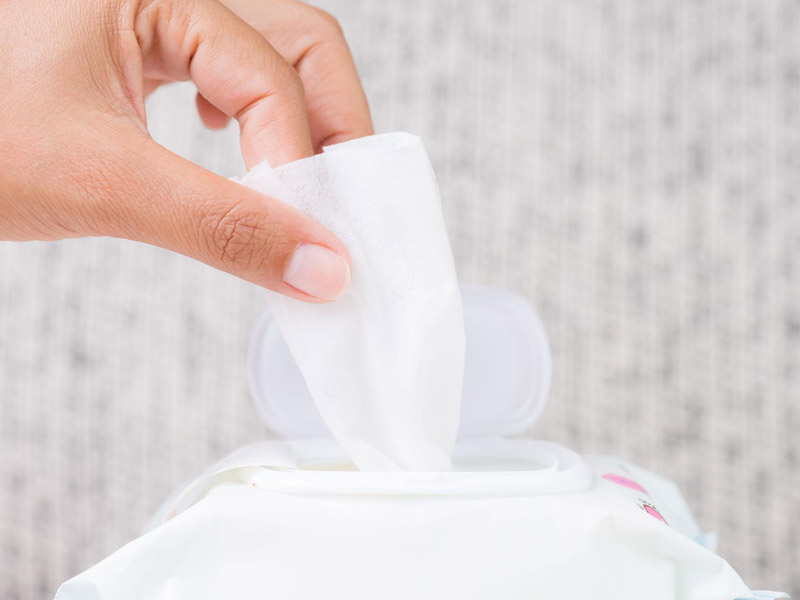
Pick up any baby wipe, facial cleansing cloth, or disinfectant wipe, and there is a strong chance the substrate beneath your fingers is spunlace nonwoven fabric. The material now accounts for 38% of the entire non-woven wipes market — the single largest share of any nonwoven technology — and the segment continues to expand. The global spunlace nonwovens market is valued at approximately US$6.5 billion in 2026 and is forecast to reach US$9.3 billion by 2033, growing at a CAGR of 5.3%, according to industry analysis on spunlace nonwovens market growth and forecast.
The reason for this dominance is straightforward: spunlace fabric delivers the unique combination of softness, strength, and absorbency that wipe applications demand — without using any chemical binders or adhesives. The fibers are held together purely by mechanical entanglement, which keeps the final product skin-friendly, lint-free, and biodegradable-compatible. For wipe producers, that translates directly into fewer regulatory hurdles, cleaner ingredient labels, and a product that consumers trust.
The Hydroentanglement Process Explained
Spunlace fabric — also called hydroentangled nonwoven — is produced through a sequence of mechanical steps that transform loose fiber into a cohesive, durable web. Understanding the process helps manufacturers anticipate how equipment choices upstream affect wipe quality downstream.
Fiber opening and blending. Raw fibers — viscose, polyester, cotton, or a blend — are opened and carded into a uniform fiber web. Fiber length, denier, and crimp all influence the texture of the final fabric, so this stage sets the baseline for softness and uniformity.
Web formation. The carded web is layered to the target basis weight, typically between 35 gsm and 120 gsm for wipe applications. Heavier weights yield better absorption; lighter weights reduce material cost and suit fine facial wipes.
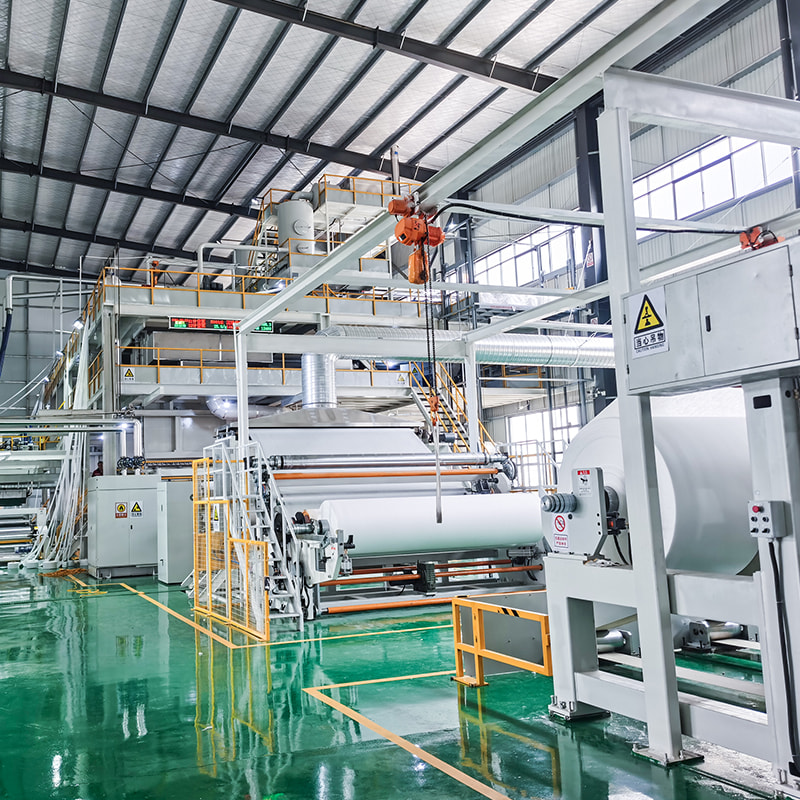
Hydroentanglement. Multiple manifolds direct extremely high-pressure water jets — often exceeding 100 bar — onto both faces of the moving web. The jets force fibers to entangle around each other in three dimensions, creating mechanical bonds that are strong yet flexible. No resins, latex, or thermal bonding agents are needed.
Drying and finishing. The saturated web passes through suction drums and heated rollers to remove moisture. Optional finishing steps — calendering, embossing, or surface treatment — can be applied to adjust tactile feel, pattern aesthetics, or liquid-release behavior.
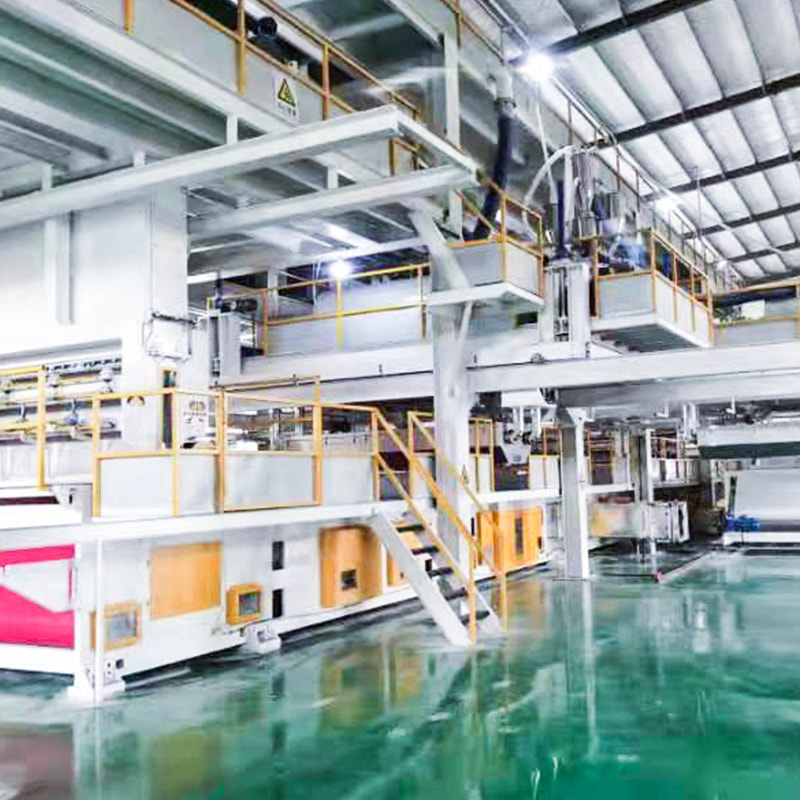
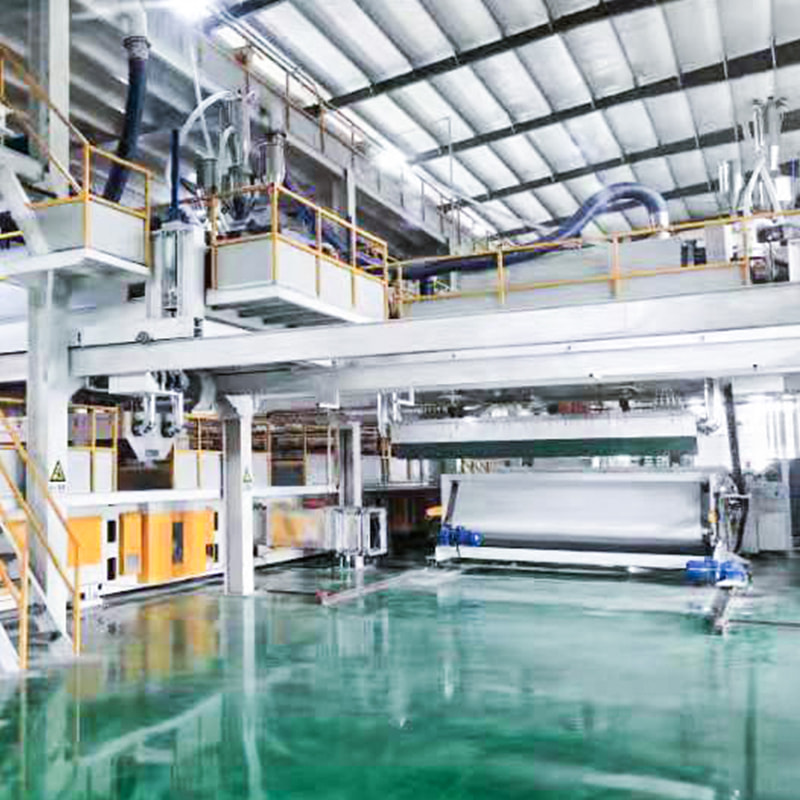
The entire line runs continuously at high speed, making spunlace one of the more capital-efficient nonwoven processes for wipe substrates once the line is properly configured.
Fiber Composition: Choosing the Right Blend
The fiber blend is where wipe producers have the most direct control over end-product performance. The three dominant fiber types each bring distinct properties, and most commercial spunlace wipes use a combination of two.
| Fiber Type | Key Benefit | Typical Application |
|---|---|---|
| Viscose (Rayon) | High absorbency, soft handle, biodegradable | Baby wipes, facial wipes, cosmetic pads |
| Polyester (PET) | Tensile strength, wet durability, low lint | Industrial wipes, cleanroom wipes, disinfectant wipes |
| Cotton | Natural softness, skin-compatibility, sustainability appeal | Premium personal care, medical wipes, organic-certified products |
| Wood Pulp / PET | Cost efficiency, high absorbency, good bulk | Household cleaning wipes, kitchen wipes, foodservice |
A 70% viscose / 30% polyester blend is arguably the most widely used formulation in personal care wipes: viscose delivers the softness and absorption that consumers feel, while polyester prevents the fabric from tearing or losing structure when wet. For heavier-duty industrial or medical applications, higher polyester content — sometimes up to 100% PET — prioritizes durability and chemical resistance over tactile softness. Cotton-based blends command a premium but are increasingly requested by brands targeting sustainability-conscious buyers and sensitive-skin segments.
Key Applications of Spunlace Wipes
Spunlace nonwoven fabric is exceptionally versatile, and different gsm weights and fiber blends open it to a wide range of end markets.
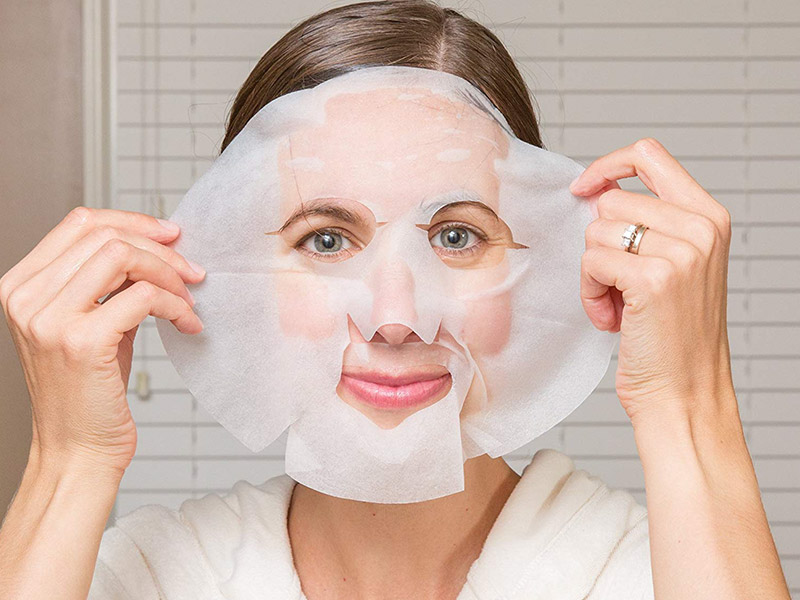
Personal care. Baby wipes, makeup remover pads, facial cleansing sheets, and feminine hygiene wipes represent the largest volume segment. Consumers in this category prioritize softness, minimal skin irritation, and moisturizing lotion retention — all areas where spunlace excels over thermally bonded alternatives.
Medical and healthcare. Alcohol disinfectant wipes, pre-operative skin preparation wipes, and wound-care products rely on spunlace for its lint-free surface and compatibility with active chemical solutions. Medical-grade wipe substrates typically carry ISO 13485 or similar compliance certifications.
Industrial cleaning. High-polyester spunlace wipes are used across electronics assembly, automotive finishing, aerospace, and precision manufacturing environments. The fabric's low-particle emission and solvent resistance make it suitable for cleanroom and critical-environment applications.
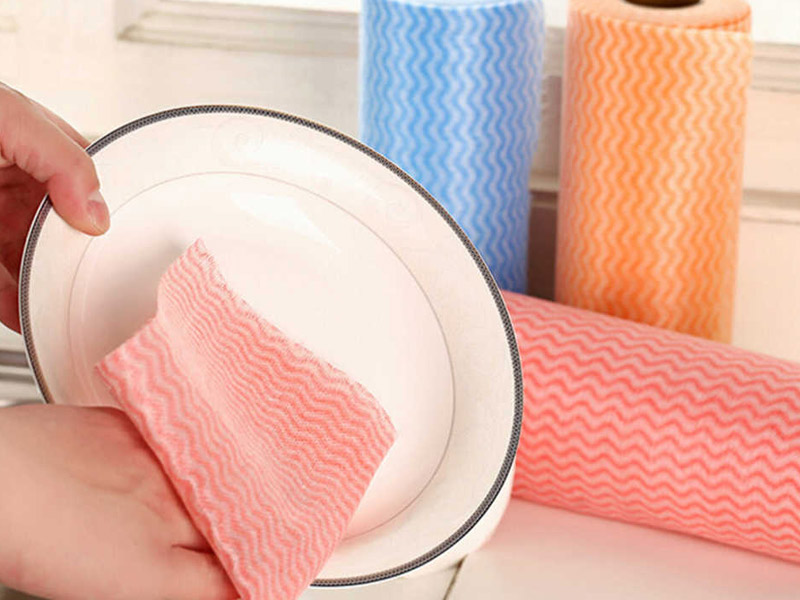
Household and foodservice. Kitchen wipes, surface disinfectant cloths, and multi-surface cleaning towels use wood pulp/PET or viscose/PET composites. This segment is heavily cost-driven, making efficient nonwoven production essential for competitive pricing.
Spunlace vs. Other Nonwoven Technologies for Wipes
Spunlace is not the only nonwoven process used in wipe manufacturing, and understanding where it differs from alternatives helps producers match technology to application requirements.
Spunbond nonwoven production lines extrude continuous polymer filaments directly onto a moving belt and bond them thermally or chemically. The resulting fabric is strong, dimensionally stable, and cost-effective at high volumes — which is why spunbond dominates medical disposables such as surgical gowns and hygiene coverstock. However, its thermal bonding structure makes it stiffer and less absorbent than spunlace, which limits its appeal for skin-contact wipes where softness is paramount.
PP spunbond and spunmelt nonwoven machines — including SMS, SMMS, and SMMSS configurations — combine spunbond layers with a meltblown core to achieve filtration performance and barrier properties. This technology excels in face masks, medical gowns, and protective apparel, but the meltblown layer is dense and hydrophobic, making SMS composites generally unsuitable as the primary substrate for wet wipes.
The meltblown nonwoven machine produces ultra-fine microfibers with exceptional filtration efficiency. Used on its own, meltblown fabric is fragile; its strength comes from being laminated within composite structures. For wipes, standalone meltblown is rarely used, though meltblown-spunlace composites do appear in specialized medical cleaning applications.
The practical takeaway: spunlace is the preferred choice wherever a wipe needs to be soft, absorbent, and skin-safe. Spunbond and spunmelt technologies serve adjacent markets where barrier performance and structural strength take priority over tactile comfort.
What to Look for in a Nonwoven Production Line
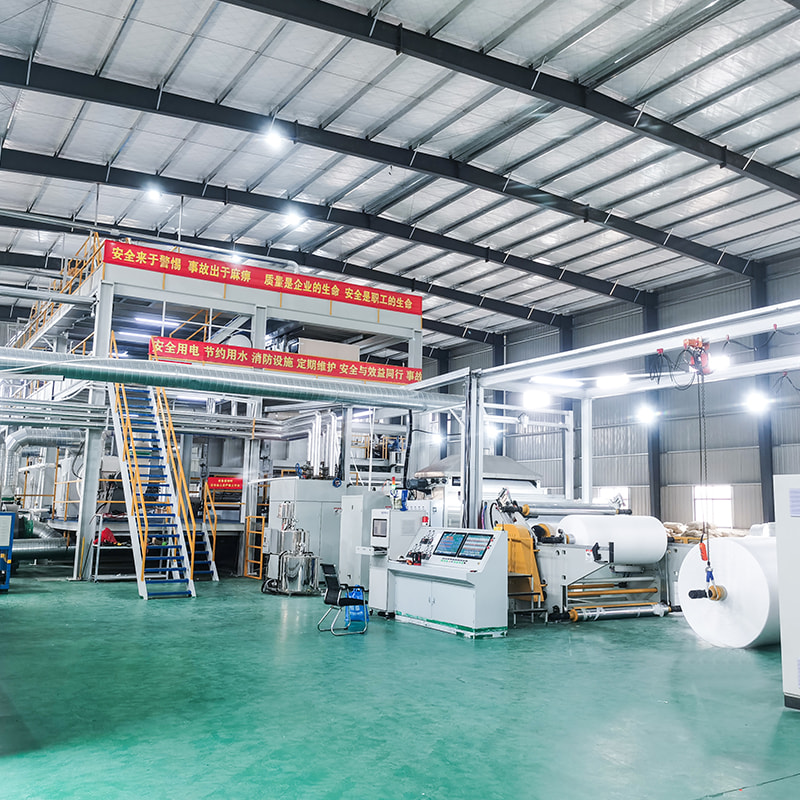
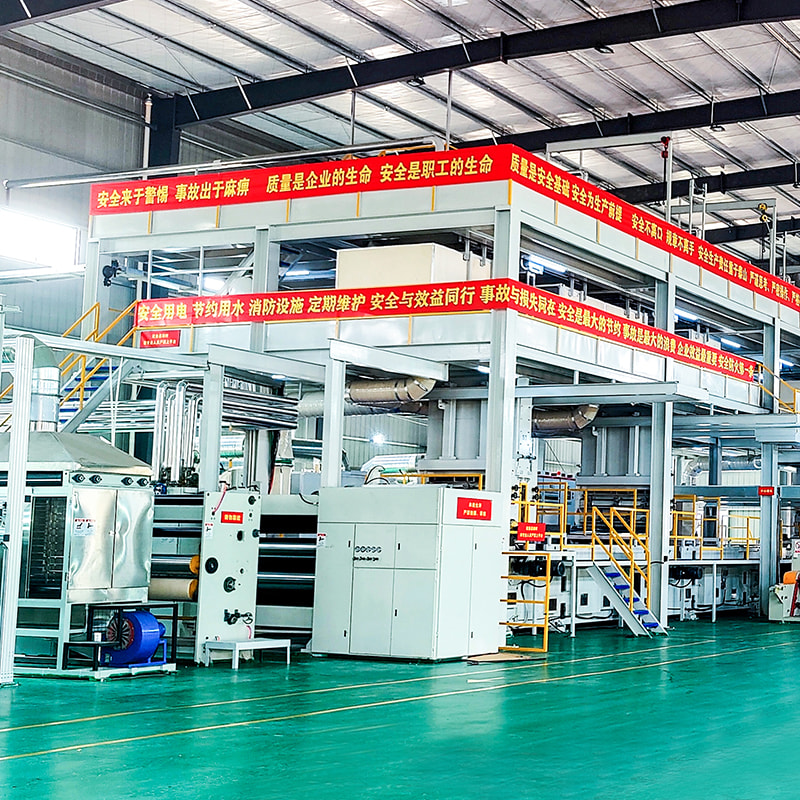
For businesses entering or scaling the wipes market, the quality of the base nonwoven substrate is only as good as the machinery producing it. Several factors deserve close attention when evaluating a production line.
- Web uniformity. Uneven fiber distribution creates inconsistencies in wipe thickness, absorption, and tensile strength. Look for production lines with precision carding and web-forming systems that maintain tight basis-weight tolerances across the full working width.
- Working width flexibility. Standard wipe production requires slit rolls at specific widths. Lines available in 1,600 mm, 2,400 mm, 3,200 mm, and 4,000 mm widths allow producers to match output to converting equipment without waste.
- Speed and output capacity. High-speed lines reduce per-unit cost, but only if the hydroentanglement system maintains consistent entanglement energy at elevated line speeds. Verify rated output against the specific basis weight and fiber blend you intend to run.
- After-sales support and spare parts availability. Nonwoven production runs continuously; downtime is expensive. A manufacturer with on-site service teams and fast spare-parts logistics is worth a premium over a lower-cost supplier with limited support infrastructure.
Wipe producers sourcing fabric directly can also evaluate pre-produced finished nonwoven fabric rolls before committing to full production line investment — useful for validating fiber blend performance at the converting stage.
As the global wipes market continues its steady expansion, the upstream question of nonwoven substrate quality and production efficiency will only grow in importance. Spunlace technology sits at the center of that value chain, and producers who master both the material science and the machinery will be best positioned to compete.


 +8613621544385
 No.29 Xinhua Road, Jiashan Village,Jiaxing City Zhejiang P.R., China