


 English
 中文简体
 русский
 عربى
What Really Drives Abrasion Resistance and Wear Life in Nonwoven Fabrics
Content
- 1 What Abrasion Resistance Means in a Nonwoven Context
- 2 How the Industry Puts a Number on Wear
- 3 Where Abrasion Resistance Earns Its Keep
- 4 What Actually Decides a PP Nonwoven's Abrasion Resistance
- 5 Machine Decisions That Show Up Years Later in the Field
- 6 A Short Checklist Before You Lock a Specification
Ask ten nonwoven producers what abrasion resistance means and you will get ten slightly different answers, but all of them circle the same idea: how much rubbing a fabric can take before its surface starts to change. Fuzzing, thinning, a shiny patch where the fibres have been flattened, a small hole opening along a fold — these are the visible results of abrasion, and by the time an end user notices them, the material has already stopped doing the job it was bought for.
The useful thing to understand is that abrasion resistance is not a single switch you can turn on at the machine. It comes out of the interaction between polymer grade, filament fineness, how the web is bonded, how the roll is wound and how the finished product is used. That interplay is what we spend most of our working hours on, so here is a practical walk through it.
What Abrasion Resistance Means in a Nonwoven Context
In a woven fabric, interlaced yarns carry the load and a rubbing action mostly polishes the crown of the weave. Nonwovens have no such architecture. The surface is a network of fibre segments anchored at thermal bond points, and when something rubs against it, two distinct things begin to happen. First, loosely anchored fibres at the surface are teased upward, producing fuzz and a rougher hand. Second, if the bond points themselves crack or the fibres slip free, material migrates away from the surface, the web thins, and eventually a hole appears.
That is why abrasion resistance in spunbond and spunmelt fabrics is really a question of fibre anchoring. A fabric can be strong in tensile terms and still abrade badly if its surface fibres are poorly secured — and the reverse is also true.
How the Industry Puts a Number on Wear
No single test describes abrasion, which is why several methods coexist. Each one simulates a different kind of contact, and the results are not interchangeable between them.
| Method | Typical standard | What it reveals |
|---|---|---|
| Martindale | ISO 12947, ASTM D4966 | Flat abrasion under a light load; reports cycles to a defined level of surface change |
| Taber rotary platform | ASTM D3884 | Weight loss after a set number of revolutions; suits heavier or coated materials |
| Oscillatory cylinder | ASTM D4157 | Back-and-forth rubbing in a line; closer to bags, upholstery and covers |
| Flex and fold tests | In-house or customer protocols | Repeated creasing, which often matters more than flat rubbing for wipes and gowns |
In practice, most buyers combine one standard method with a simple in-house rub that mimics their own converting line. That second test is often the more honest one, because it reflects the actual contact pressure and speed the fabric will meet.
Where Abrasion Resistance Earns Its Keep
Some applications punish a fabric surface continuously, others only during handling. It helps to know which one you are dealing with:
- Reusable shopping bags, where the same panel is folded, dragged and rubbed against itself for years.
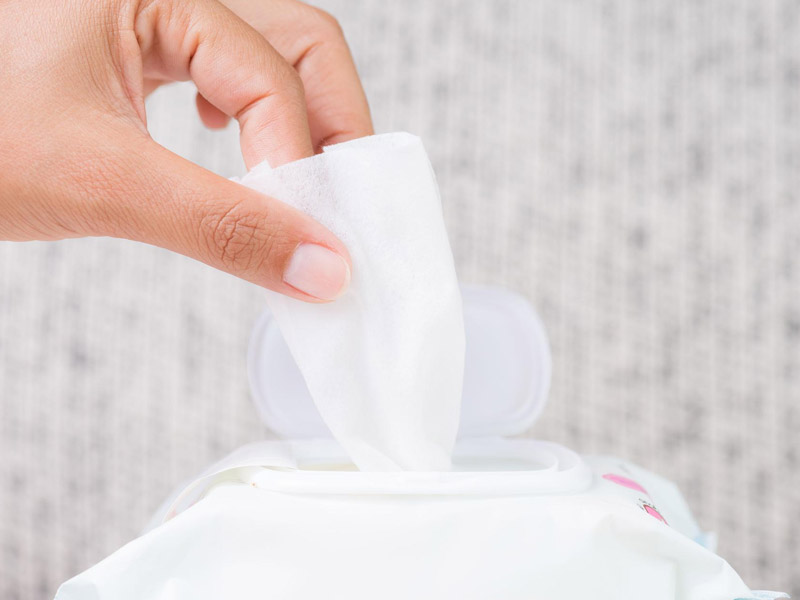
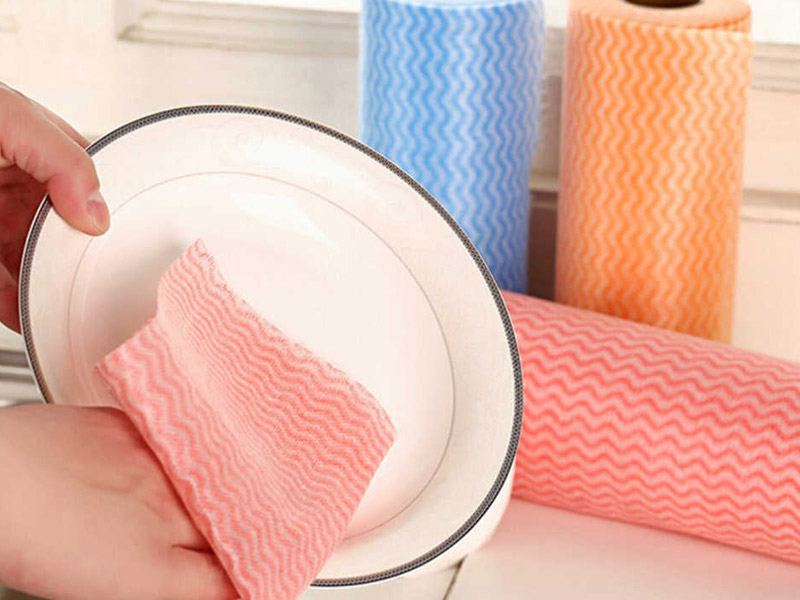
- Wipes and kitchen towels, where the user scrubs rather than wipes gently.
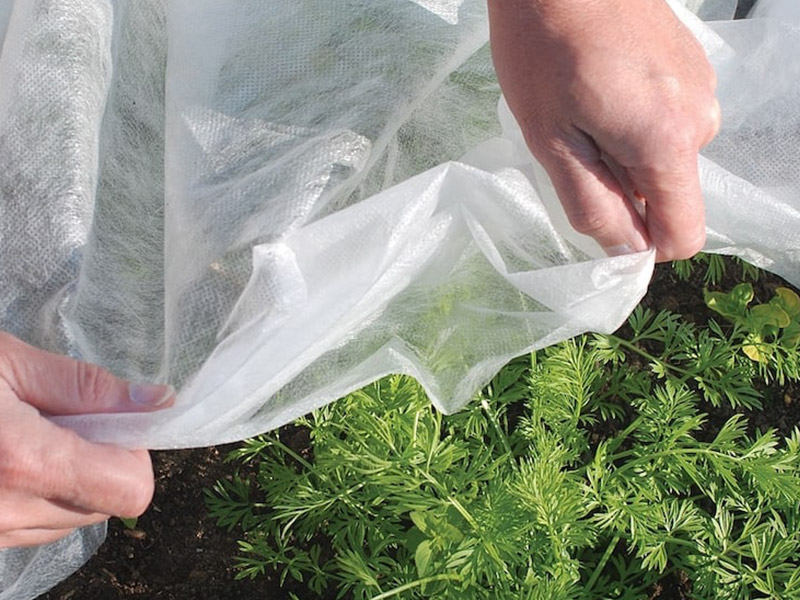
- Agricultural covers and landscape fabrics, where installation and soil movement do the damage long before UV does.
- Medical gowns and drapes, where abrasion shows up as linting — a patient-safety issue, not just a cosmetic one.
- Furniture backing, mattress ticking and automotive trim, where the fabric rubs against foam and frame edges.
Each of these stresses the surface differently, so a specification written for one will rarely transfer cleanly to another.
What Actually Decides a PP Nonwoven's Abrasion Resistance
Filament fineness
Finer filaments give more fibres per unit area and better surface coverage, which usually improves the smoothness of the wear process — but very fine filaments can also be pulled out more easily if bonding is marginal. Coarser filaments resist pulling, yet leave a harsher hand. The right balance depends on the end use, and it is one of the first parameters we discuss with a customer. Our note on how filament denier influences fabric quality goes deeper into the trade-off.
Bonding quality
Calender bonding is where abrasion resistance is largely won or lost. A well-formed bond pattern with an appropriate bond area anchors surface fibres without embrittling the web. Push the temperature and pressure too high and the sheet becomes stiff; it will resist light rubbing well but crack at folds. Run too cool and the surface fuzzes almost immediately. Uniform nip pressure and even temperature across the width matter as much as the setpoints themselves.
Basis weight and thickness
Heavier fabrics simply have more material available to lose before the structure is compromised. Thickness also spreads contact pressure over more fibre, which reduces local damage. This is the least clever lever available, but it is often the most reliable.
Layer architecture
In a spunmelt structure, the spunbond layers carry the mechanical duty while the meltblown layers provide barrier performance. Meltblown fibres are extremely fine and poorly suited to resisting surface wear on their own, so placing them in the middle of an SMS or SMMS build protects them. When abrasion is the critical property, adding spunbond beams — moving from S to SS to SSS — generally does more for wear life than adding barrier layers.
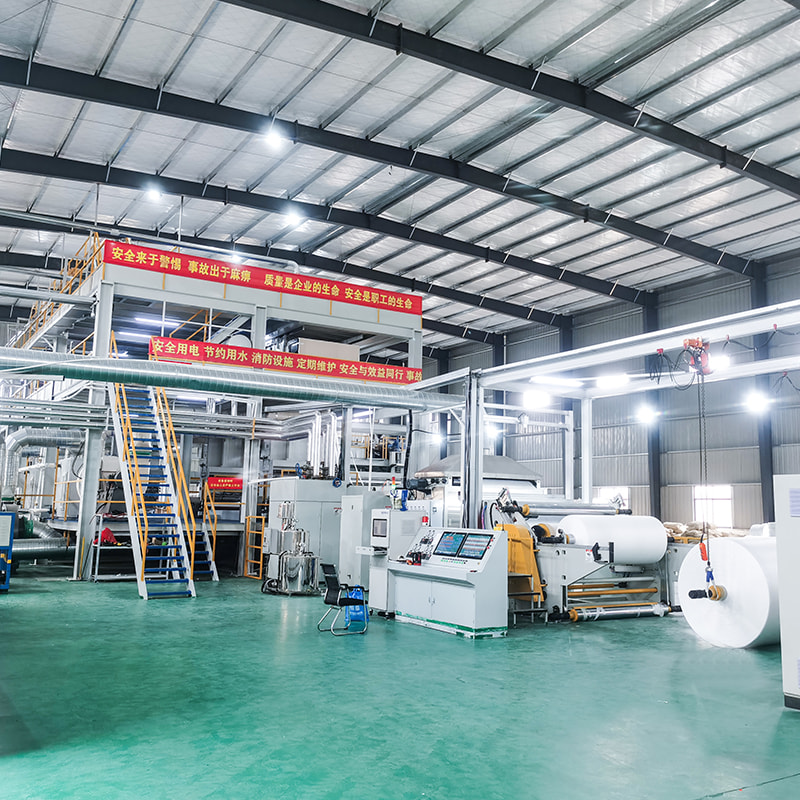
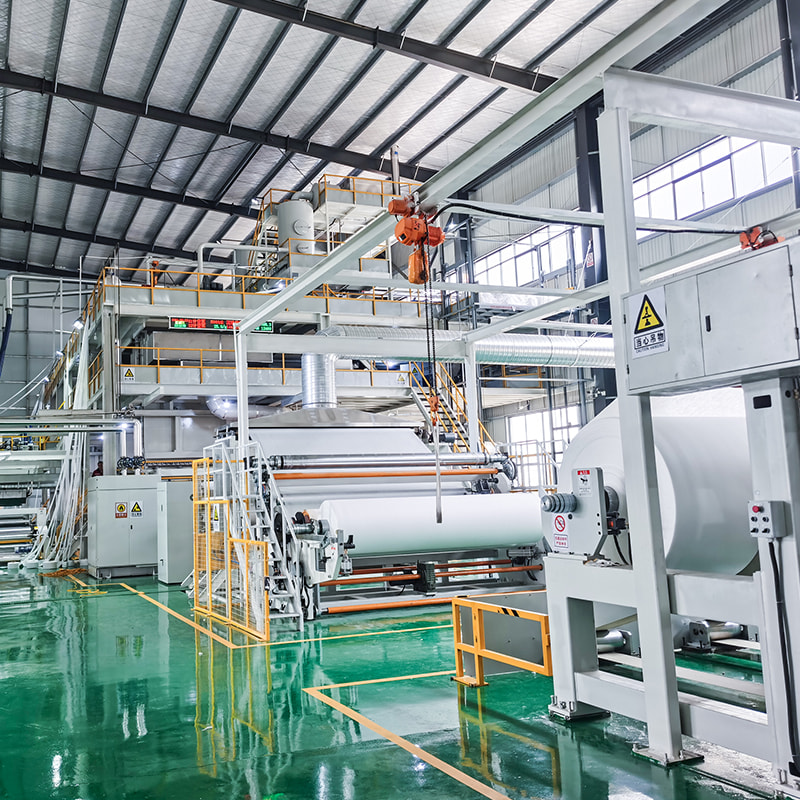
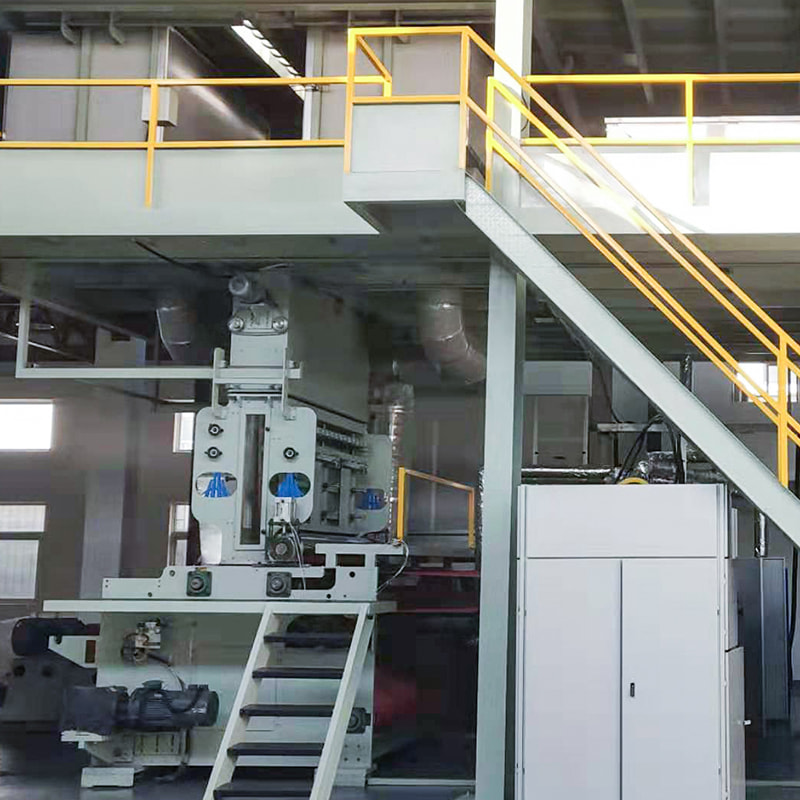 Single Beam Spunbond Nonwoven MachineThis single-beam spunbond line produces PP nonwoven fabric and sits at the starting point of the S-to-SSS build discussed for wear-critical fabrics.View Product →
Machine Decisions That Show Up Years Later in the Field
Abrasion performance is set on the line, not in the laboratory. Three machine-level factors come up again and again in our commissioning work. The first is calendaring stability: consistent oil temperature and nip pressure keep bond quality uniform from edge to edge, so the outer ten centimetres of a roll do not abrade noticeably faster than the centre. The second is tension control through cooling and winding, because a roll wound too tight creates internal creep that shows up as surface damage after storage. The third is dynamic stability at high line speeds, where vibration translates into uneven bonding before it shows up anywhere else.
For producers whose fabrics go into medical, hygiene or durable applications, the composite structures are usually the sensible starting point, since the layer stack can be tuned without redesigning the whole line. Our three-beam SMS production line and the four-beam SMMS configuration are the two platforms customers most often ask us to compare for wear-critical work.
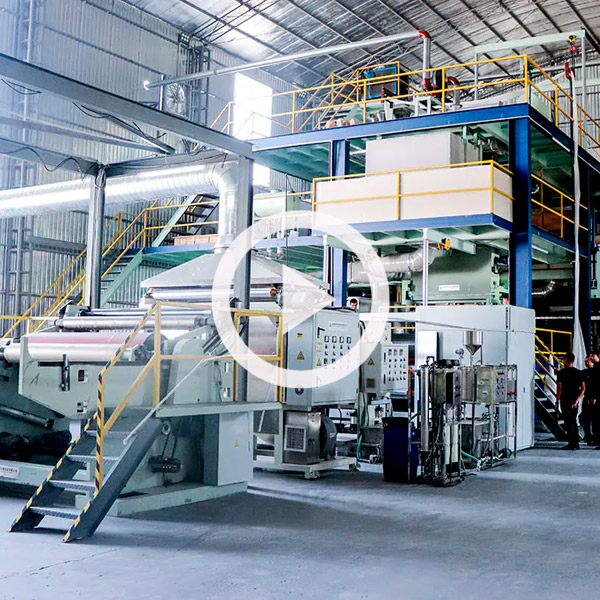 Three Beam SMS Spun-Melt Nonwoven MachineThree-beam SMS line combining spunbond and meltblown layers; relevant as a composite platform for producers comparing structures for wear-critical fabrics.View Product →
A Short Checklist Before You Lock a Specification
When a customer tells us abrasion resistance is the priority, we usually work through the following before touching a single setpoint:
- Define the real contact: what rubs the fabric, at what pressure, and for how long.
- Choose the test method that resembles that contact, then keep using it consistently.
- Fix the polymer grade and melt flow index, because they set the baseline filament behaviour.
- Decide whether abrasion or barrier is the dominant requirement, and pick the beam structure accordingly.
- Tune calender temperature, pressure and pattern together rather than one at a time.
- Verify the full width of the roll, not just a sample from the middle.
Abrasion resistance rarely fails loudly. It shows up as a complaint three months after delivery, from a user who noticed the bag fraying at the handle or the wipe shedding on a countertop. Getting it right at the start is mostly a matter of matching fibre fineness, bonding and layer structure to the way the fabric will actually be handled — and then holding the line consistent roll after roll.
If you are weighing up structures for a wear-critical product, we are always glad to talk through the options and the trade-offs we have seen on real installations. You can reach the team through our contact page.




 +8613621544385
 No.29 Xinhua Road, Jiashan Village,Jiaxing City Zhejiang P.R., China
