



 English
 中文简体
中文简体 русский
 عربى
عربىNonwoven Spunmelt Machine: Working Principle, Design & Applications
Content
- 1 What Is a Nonwoven Spunmelt Machine?
- 2 Core Working Principle of Spunmelt Technology
- 3 Key Components of a Nonwoven Spunmelt Machine
- 4 Spunmelt Configurations: S, SS, SMS, SMMS, and Beyond
- 5 Typical Applications of Spunmelt Nonwoven Fabrics
- 6 Practical Factors When Selecting a Nonwoven Spunmelt Machine
- 7 Quality Control and Process Optimization on Spunmelt Lines
What Is a Nonwoven Spunmelt Machine?
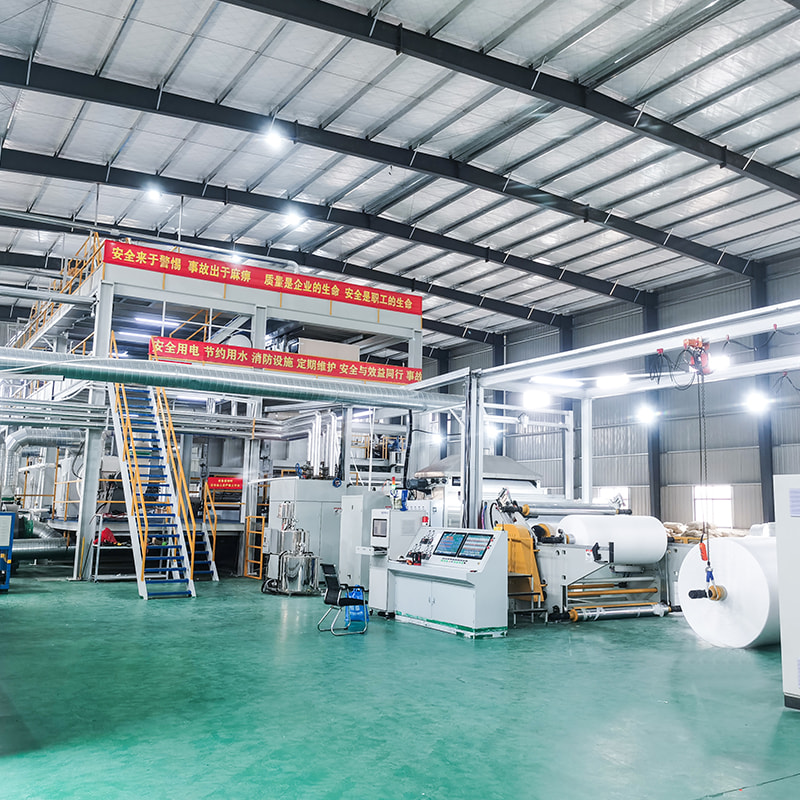
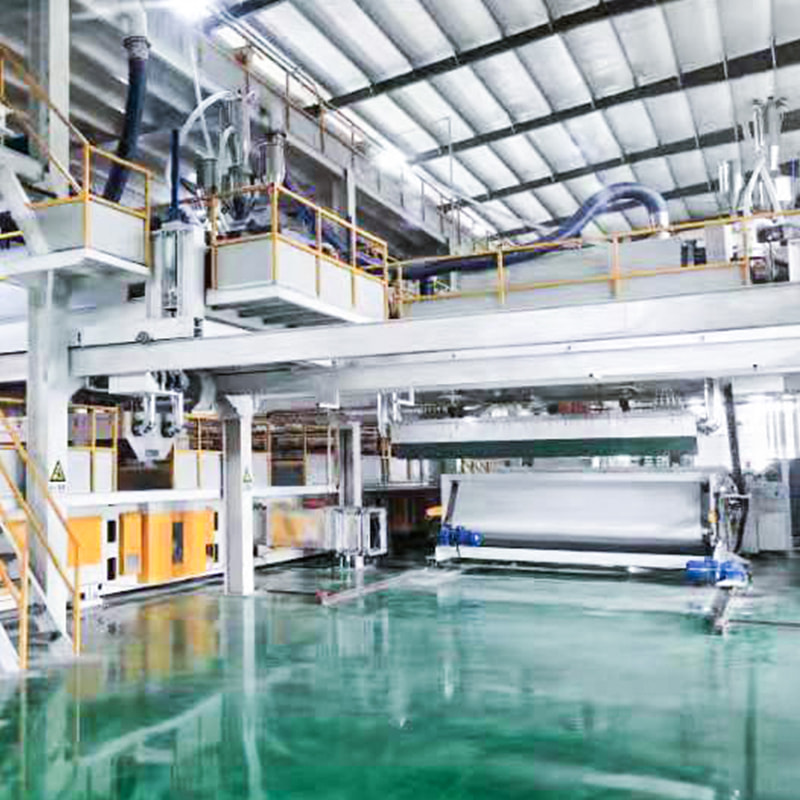
A nonwoven spunmelt machine is an integrated production line that converts polymer granules directly into nonwoven fabrics through melting, filament spinning, web forming, and thermal bonding. Unlike traditional textile processes that require spinning yarns and weaving or knitting, spunmelt technology creates a fabric web in a single continuous process, delivering high productivity, stable quality, and excellent cost performance for disposable hygiene, medical, filtration, and industrial products.
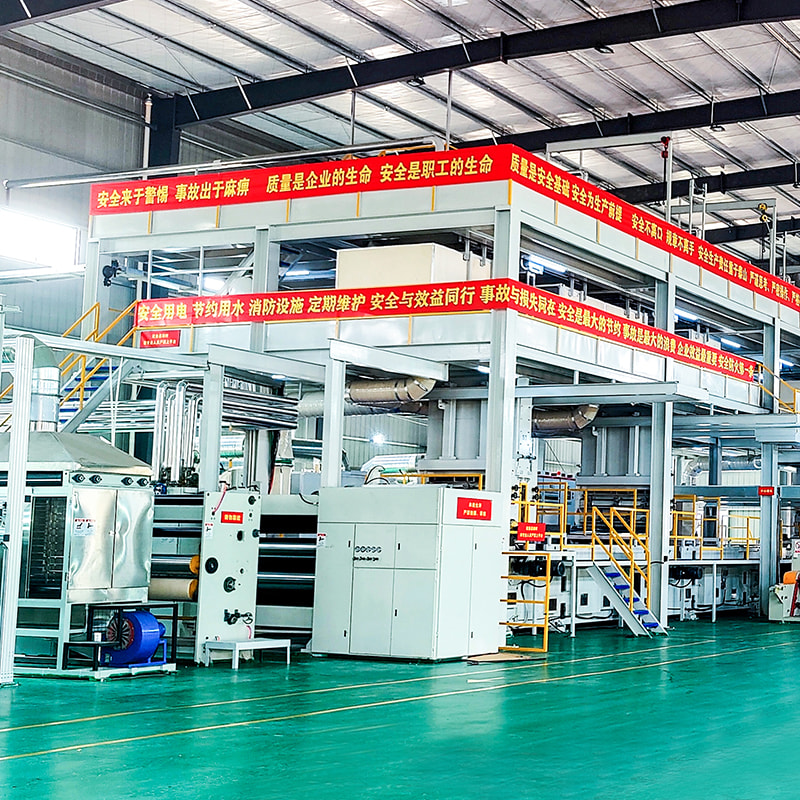
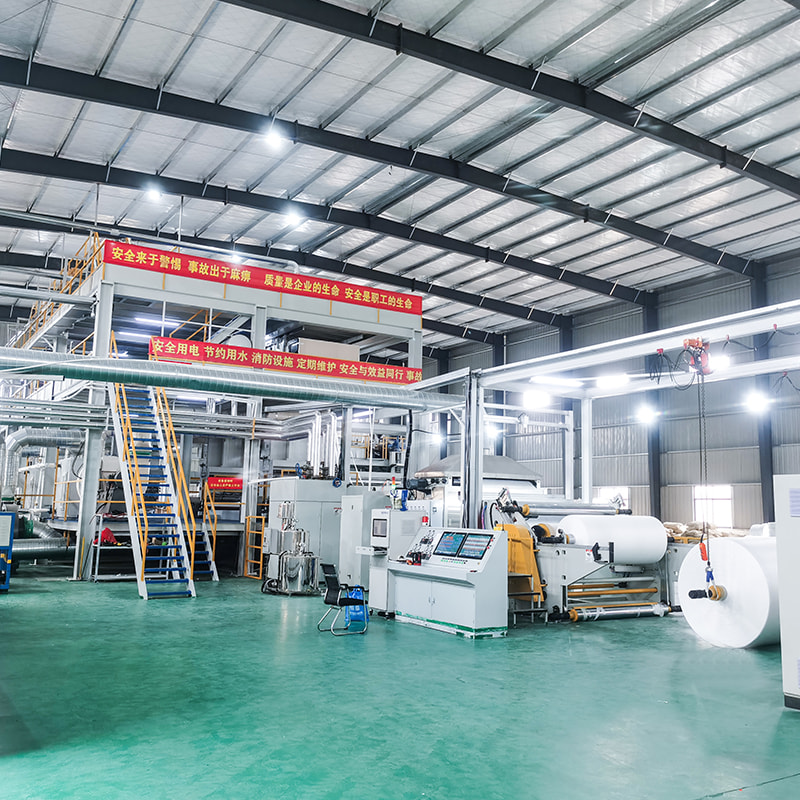
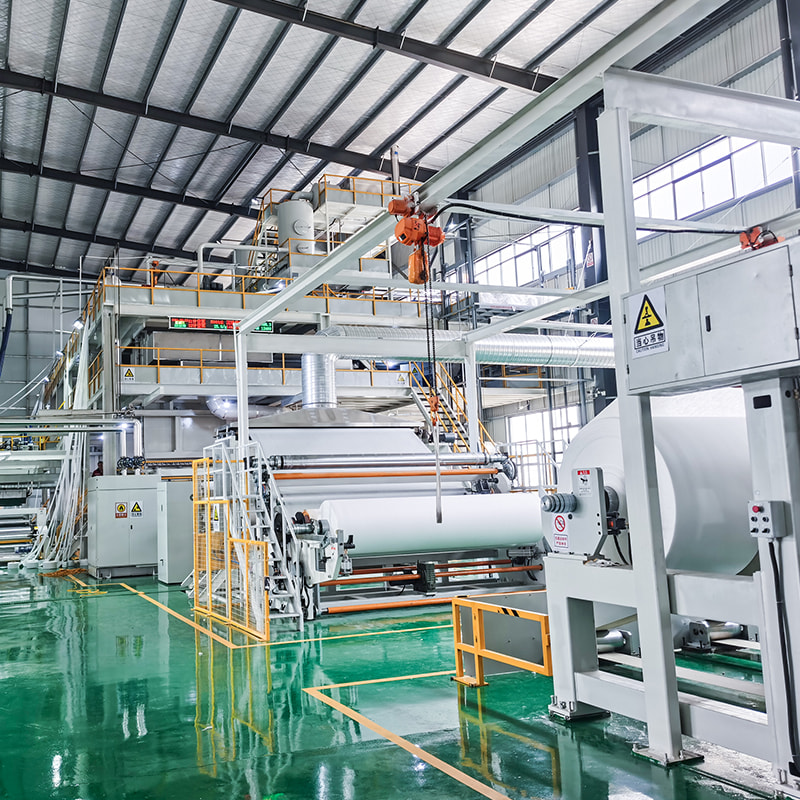
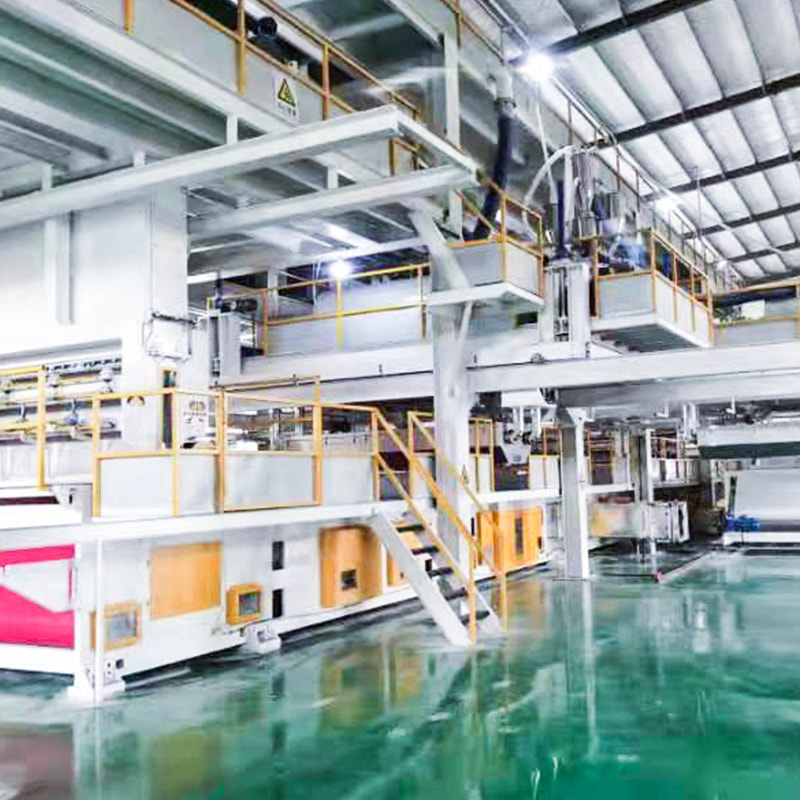
In industrial practice, the term spunmelt usually includes spunbond (S), meltblown (M), and their composite configurations such as SS, SSS, SMS, SMMS, and SSMMS. A nonwoven spunmelt machine is therefore a complex system that integrates polymer handling, precision extrusion, quenching, air drawing, web laying, bonding, winding, and automation control into a coordinated, high-speed production platform.
Core Working Principle of Spunmelt Technology
Although there are many configurations of spunmelt lines, they all follow a basic principle: polymer granules are melted, extruded through spinnerets into fine filaments, stretched by air, cooled into solid fibers, laid onto a moving forming belt as a web, then bonded by thermal calendering to obtain a nonwoven fabric with specific strength, softness, and uniformity. Understanding this flow is crucial for process optimization and equipment selection.
Polymer Feeding and Extrusion
The process starts with polymer raw materials, typically polypropylene (PP), polyethylene (PE), or their blends. Granules are transferred from storage silos or bags to the machine through vacuum conveying systems and stored in day bins equipped with drying and filtration. Loss-in-weight feeders accurately meter the granules into one or multiple extruders, where screw rotation and barrel heating zones melt the polymer to a predetermined temperature profile, ensuring stable melt viscosity and minimal thermal degradation.
High-quality spunmelt machines feature precise temperature control loops, melt pressure sensors, and optional melt filtration systems. These not only protect downstream metering pumps and spinnerets but also directly influence filament stability and fabric uniformity. For high-end hygiene and medical applications, melt filtration can reach very fine levels to remove gels and impurities that would otherwise cause defects.
Spinning, Quenching, and Drawing
From the extruder outlet, the polymer melt passes through gear metering pumps that deliver a precisely controlled volumetric flow to the spinnerets. Spinnerets are precision plates with thousands of tiny capillaries that define filament count, denier, and ultimately the structure of the nonwoven web. The uniformity of flow through these capillaries is fundamental to achieving consistent fabric basis weight and mechanical properties across the machine width.
After exiting the spinneret, the molten filaments enter a quenching zone where conditioned air cools and solidifies the fibers. In spunbond, this is usually a cross-flow or radial quench air system; in meltblown, high-velocity hot air from both sides stretches and attenuates the melt into very fine microfibers. The design of the quench chamber, air distribution, and suction plays a decisive role in filament diameter, bonding readiness, and the presence or absence of defects such as fly, broken filaments, and neck-in.
Web Forming and Thermal Bonding
Once solidified, filaments are guided and sucked onto a moving forming belt, creating a continuous fiber web. The air suction box below the belt removes process air and stabilizes the web laydown. The interaction between air velocity, belt speed, die-to-collector distance, and filament speed controls fiber orientation, formation, and basis weight distribution. Advanced nonwoven spunmelt machines provide flexible adjustments to optimize fabric structure for different applications, such as softness for hygiene or higher MD strength for packaging.
The loose web then enters the bonding section, typically a pair of heated calender rolls. One roll is usually engraved while the other is smooth, allowing for point bonding patterns with controlled bond area. Temperature, line pressure, and line speed jointly determine the degree of bonding, fabric handfeel, tensile strength, and barrier properties. Some lines also offer through-air bonding (TAB) for bulky and very soft products, particularly in bicomponent fiber applications.
Slitting, Winding, and Packaging
After bonding, the nonwoven web passes through inspection, online measurement, and edge-trimming systems before entering the winding section. The winder forms large-diameter mother rolls or smaller customer rolls with controlled tension and edge quality. Different winding modes, such as center winding and surface winding, are chosen according to fabric grammage, thickness, and end-use. Modern spunmelt machines often integrate automatic splicing and roll change functions to minimize downtime and reduce waste.
Key Components of a Nonwoven Spunmelt Machine
A nonwoven spunmelt machine is not a single unit but a complete line composed of multiple subsystems. Each component must work in harmony to achieve stable mass production and consistent fabric quality. Understanding these components helps investors, engineers, and operators evaluate different machine designs and suppliers more objectively.
Main Mechanical and Process Units
- Raw material conveying and storage system: including vacuum loaders, storage silos, day bins, and filters to ensure clean and stable feeding of polymer granules.
- Extrusion and metering section: extruders, screen changers, melt filters, and gear pumps that precisely control melt throughput and pressure.
- Spinning beam and spinnerets: insulated housings, distribution manifolds, and spinneret plates that define filament count, denier, and width.
- Quenching and air handling: quench air boxes, blowers, filters, and temperature control units that provide stable cooling conditions for the fibers.
- Web forming system: suction boxes, vacuum fans, and forming belts that collect and distribute fibers into a uniform web.
- Bonding and finishing: thermal calenders, through-air ovens (if any), embossing rolls, and possible online treatments such as hydrophilic or antistatic finishing.
- Winding and slitting: edge trimmers, tension control systems, and automatic winders that produce rolls with consistent density and geometry.
Automation, Control, and Quality Monitoring
Modern nonwoven spunmelt machines rely heavily on automation and digital control to maintain stable production and reduce human error. Distributed control systems (DCS) or programmable logic controllers (PLC) coordinate temperature, pressure, speed, and air flow across the entire line. Human–machine interfaces (HMI) allow operators to load recipes, adjust parameters, and visualize trends in real time. Alarms, interlocks, and safety circuits protect both personnel and equipment from abnormal operating conditions.
To ensure consistent product quality, spunmelt lines often integrate online basis weight scanners, thickness gauges, and sometimes optical inspection systems to detect holes, streaks, and contamination. Data from these sensors can be used to adjust the cross-direction profile by means of segmented heaters or air knives, improving uniformity. Long-term production records support traceability and continuous improvement efforts.
Spunmelt Configurations: S, SS, SMS, SMMS, and Beyond
Nonwoven spunmelt machines can be configured in different ways depending on performance requirements and target markets. The letters S and M refer to spunbond and meltblown layers, and their sequence describes the structure of the fabric. Choosing the right configuration is a strategic decision balancing investment, product portfolio, and competitiveness in the hygiene, medical, and industrial segments.
| Configuration | Layer Structure | Typical Features |
| S | Single spunbond | Basic strength, packaging, agriculture |
| SS | Double spunbond | Better uniformity, hygiene topsheet and backsheet |
| SSS | Triple spunbond | High softness, premium hygiene products |
| SMS | Spunbond–meltblown–spunbond | Barrier + strength, medical gowns, masks |
| SMMS | Spunbond–meltblown–meltblown–spunbond | Enhanced filtration, higher barrier level |
| SSMMS / SSMMS+ | Multi S and M layers | Premium hygiene and advanced medical fabrics |
Spunbond layers mainly provide mechanical strength and dimensional stability, while meltblown layers contribute fine fiber structure, barrier performance, and filtration efficiency. For example, SMS and SMMS spunmelt machines are widely used for medical and protective applications, where liquid repellency, bacterial filtration, and breathability must be carefully balanced. SSS and SSMMS configurations focus more on softness, drape, and comfort, which are essential for baby diapers and feminine hygiene products.
Typical Applications of Spunmelt Nonwoven Fabrics
The versatility of spunmelt machines makes them attractive for a wide range of markets. By adjusting polymer types, line configurations, and process parameters, producers can tailor nonwoven fabrics for specific performance and regulatory requirements. Below are the main application segments and how spunmelt technology supports them.
Hygiene and Personal Care
Hygiene products represent the largest and most competitive market for spunmelt nonwovens. Diapers, adult incontinence products, and feminine hygiene items all rely heavily on spunbond and SMS nonwovens. Topsheets require softness, hydrophilic finishes, and skin-friendliness, while backsheets demand liquid barrier properties and breathability. Nonwoven spunmelt machines are designed to produce low-basis-weight, high-uniformity fabrics that feel comfortable yet withstand converting operations at high speeds.
Medical and Protective Products
In the medical field, SMS and SMMS fabrics from spunmelt lines are used for surgical gowns, drapes, masks, caps, and shoe covers. These products must meet strict standards for fluid resistance, linting, bacterial filtration, and sterility. Spunmelt machines configured with high-performance meltblown beams and precise process control can produce nonwovens that comply with international norms while maintaining acceptable comfort through breathability and low weight. During epidemics and pandemics, the ability to rapidly ramp up production on existing spunmelt lines becomes a critical advantage.
Filtration, Packaging, and Agriculture
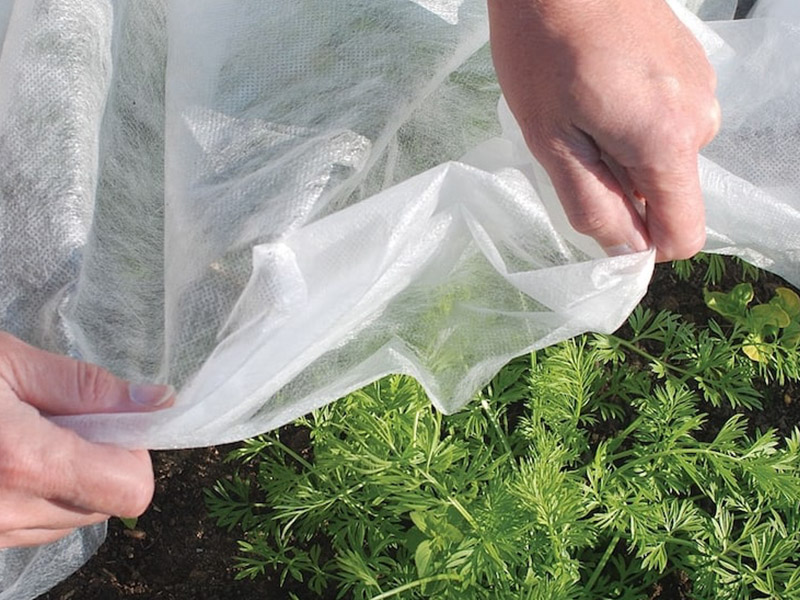
Outside hygiene and medical markets, spunmelt nonwovens serve in air and liquid filtration media, industrial wipes, shopping bags, and agricultural crop covers. Meltblown layers provide fine pores for filtration, while spunbond layers offer mechanical support and handleability. In agriculture, UV-stabilized spunbond fabrics help protect crops from pests and weather while allowing light and air to pass through. For reusable bags and packaging, heavier basis weight spunbond offers good printability and durability, often replacing traditional woven fabrics.
Practical Factors When Selecting a Nonwoven Spunmelt Machine
Choosing a nonwoven spunmelt machine is a strategic investment decision that influences product portfolio, production cost, and long-term competitiveness. Beyond the nominal capacity of the line, buyers should carefully evaluate polymer flexibility, configuration options, automation level, and after-sales support. A line that is slightly more expensive initially can be more profitable over its lifetime if it offers higher uptime, better energy efficiency, and broader market coverage.
Capacity, Configuration, and Product Range
The first step is to match line capacity and configuration with the target markets. Typical spunmelt lines range from 1.2 m pilot lines for development to full-scale 3.2 m or wider production lines. Higher speed and wider width reduce cost per ton but require a stable, predictable demand. Configuration choices such as SS, SSS, SMS, or SMMS should reflect the desired mix of hygiene, medical, and industrial products. Some modern lines offer modularity, allowing the same platform to run different layer combinations by switching beams on or off.
Raw Materials, Additives, and Sustainability
A flexible nonwoven spunmelt machine should handle different polymers and additive packages, including PP, PE, bicomponent fibers, and masterbatches for color, hydrophilicity, antistatic, and UV resistance. The design of the extrusion and filtration system determines how well the machine can process recycled or downgraded materials without compromising quality. With growing focus on sustainability and circular economy, many producers are looking for lines that can incorporate post-industrial or post-consumer recyclates, as well as biodegradable or bio-based polymers where feasible.
Energy Efficiency, Maintenance, and Total Cost of Ownership
Energy consumption, spare parts availability, and ease of maintenance all contribute to the total cost of ownership of a nonwoven spunmelt machine. Efficient drives, optimized air handling systems, and well-insulated spinning beams reduce operating costs. At the same time, the accessibility of critical components, availability of local service technicians, and clarity of documentation affect downtime and learning curves for operators. Long-term profitability depends more on uptime and yield than on the initial purchase price alone.
Quality Control and Process Optimization on Spunmelt Lines
Once a nonwoven spunmelt machine is installed, continuous optimization is essential to maintain competitive quality and cost levels. Process engineers monitor basis weight, strength, elongation, softness, and filtration performance while adjusting line speed, temperatures, air flows, and bonding conditions. Structured experimentation and data analysis help identify optimal operating windows for each product and minimize variations over time.
Common Process Parameters and Their Effects
- Extruder temperature profile: influences melt viscosity, filament stability, and risk of degradation or gels.
- Quench air temperature and volume: affects fiber diameter, crystallinity, and web formation behavior.
- Die-to-collector distance and belt speed: control fiber orientation, basis weight distribution, and fabric formation.
- Calender temperature and pressure: determine bonding level, tensile strength, softness, and barrier properties.
- Additive dosing levels: impact hydrophilicity, antistatic behavior, color, and UV stability of the final fabric.
By tracking these parameters with digital tools and integrating them with laboratory and online measurement data, producers can move toward more predictive and stable production. Advanced nonwoven spunmelt machines increasingly incorporate analytics and remote monitoring to support continuous improvement and rapid troubleshooting across global manufacturing networks.


 +8613621544385
 No.29 Xinhua Road, Jiashan Village,Jiaxing City Zhejiang P.R., China