


 English
 中文简体
中文简体 русский
 عربى
عربىWhat Machines Are Needed for a Non-Woven Production Line?
Content
- 1 Define the Production Route First: Forming + Bonding + Finishing
- 2 Fiber Preparation Machines for Drylaid Non-Woven Lines
- 3 Polymer-to-Web Machines for Spunbond and Meltblown Lines
- 4 Bonding Machines: The “Strength-Builder” of Non-Woven Production Lines
- 5 Finishing Machines Required on Nearly Every Non-Woven Line
- 6 Utilities and Support Systems You Must Include in the Machine List
- 7 Quality Control and In-Line Measurement Machines That Protect Profit
- 8 Practical “Machine List” Checklists by Line Type
- 9 Commissioning and Ramp-Up: A Practical Sequence to Avoid Costly Rework
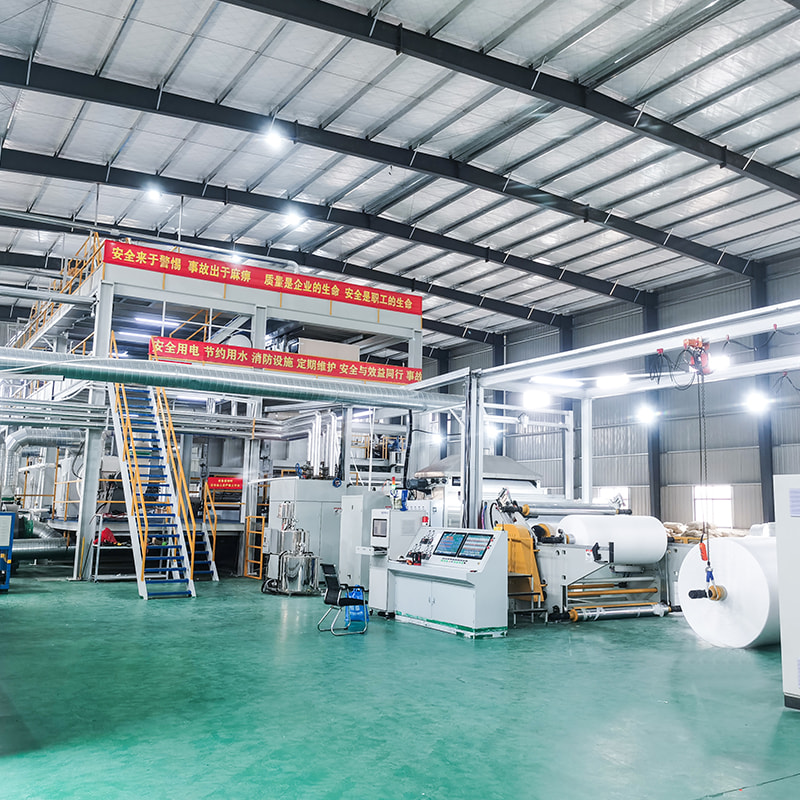
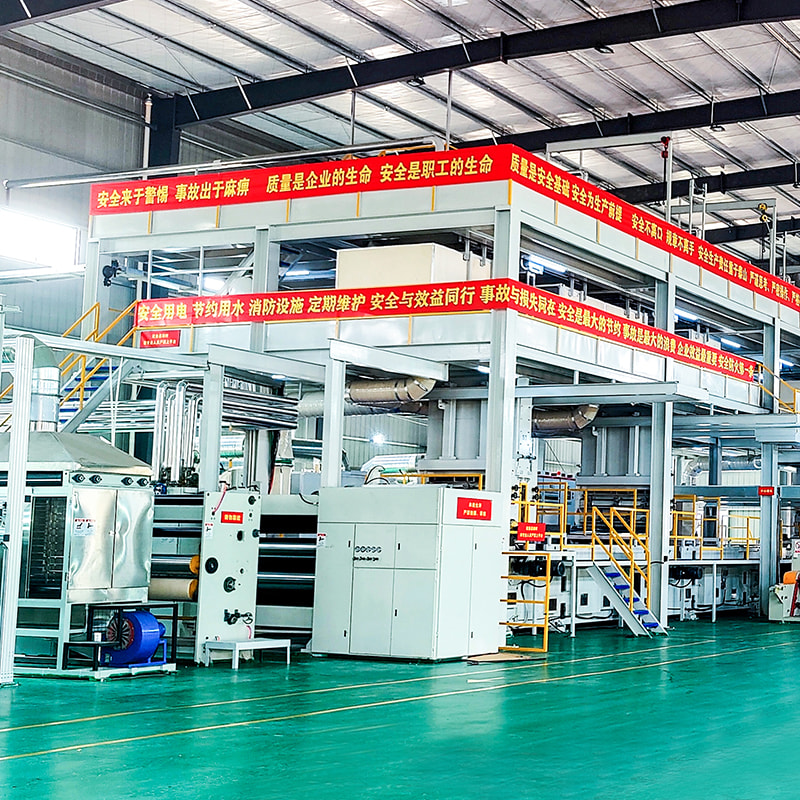
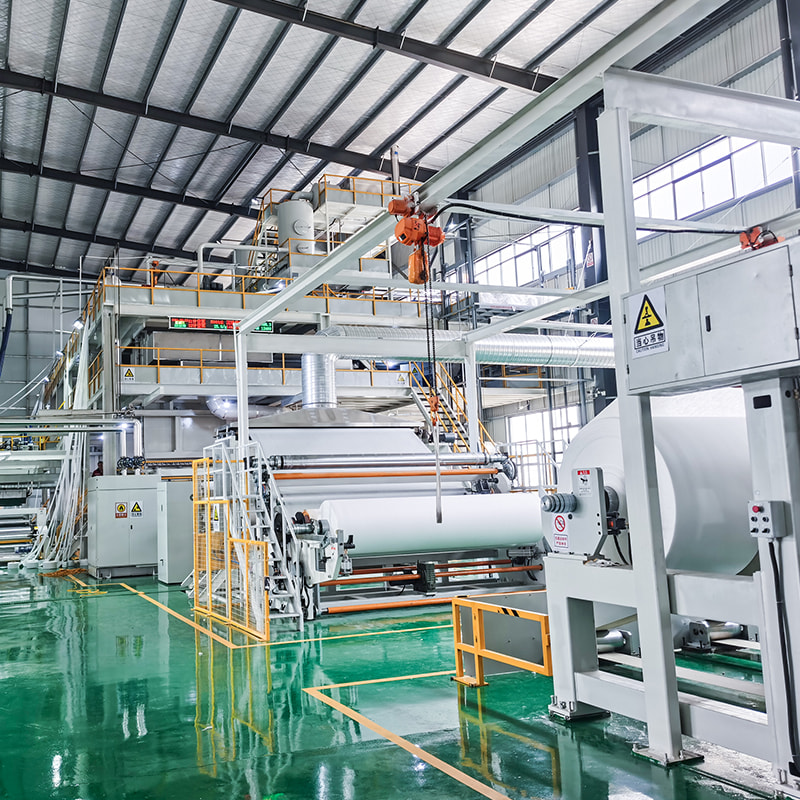
If you are evaluating what machines are needed for non-woven production lines, the correct answer depends on (1) the forming method (spunbond/meltblown vs. drylaid/wetlaid), (2) the bonding method (needle, hydroentanglement, thermal, chemical), and (3) your target product specs (width, GSM, softness, filtration efficiency, strength). This guide breaks the equipment down into practical, purchase-ready modules and shows how they connect.
Define the Production Route First: Forming + Bonding + Finishing
A “non-woven line” is not one standard line. It is a sequence of modules. In most factories, the biggest cost and footprint come from forming and bonding. A practical way to plan is to lock three parameters:
- Web forming: spunbond/meltblown (polymer to web), drylaid (fiber to web), or wetlaid (pulp/synthetic in water).
- Bonding: needle-punch, hydroentanglement (spunlace), thermal (calendar/through-air), or chemical (binder).
- Target specs: width (commonly 1.6–3.2 m), basis weight (often 10–500 GSM depending on process), and roll format.
| Route | Core forming machines | Core bonding machines | Common products |
|---|---|---|---|
| Spunbond | Extruder + spinneret + quench + drawing + web laydown | Thermal calendar or through-air bonder | Hygiene topsheet/backsheet, agriculture cover, packaging |
| Meltblown | Extruder + meltblown die + hot air system + collector | Self-bonding + optional calendar/lamination | Filtration media, masks, oil absorbents |
| Needle-punched (drylaid) | Bale opening + blending + carding + crosslapper | Needle loom(s) + optional thermal set | Geotextiles, carpets, automotive felt, insulation |
| Spunlace (hydroentangled) | Carding/crosslapper (or wetlaid former) | Hydroentanglement jets + dewatering + drying | Wipes, medical disposables, high-softness fabrics |
Fiber Preparation Machines for Drylaid Non-Woven Lines
Drylaid lines (needle-punched and many spunlace lines) begin with staple fiber handling. Skipping robust preparation causes web streaks, basis-weight variation, and frequent stops.
Opening, blending, and feeding
- Bale opener / bale plucker: consistent tufts from bales to avoid clumps.
- Pre-opener and fine opener: progressive opening reduces neps and improves carding stability.
- Fiber blender (multi-bin) + weigh-pan or gravimetric dosing: supports controlled mix ratios (e.g., PET/PP bicomponent blends).
- Hopper feeder / chute feed to card: stabilizes throughput and improves GSM uniformity.
Web formation by carding and layering
- Carding machine: forms a thin web; key selection criteria include working width, cylinder/doffer configuration, and waste extraction.
- Crosslapper: builds target thickness/weight by layering; common in 200–800+ GSM needle-punched felt and geotextiles.
- Drafting unit (optional): aligns fibers for higher MD strength when needed.
Practical example: if you aim for heavy geotextile at 300–600 GSM, you typically need crosslapping (or multiple cards) to reach mass efficiently without overloading a single card.
Polymer-to-Web Machines for Spunbond and Meltblown Lines
Spunbond and meltblown are polymer extrusion-based processes. Machine selection is driven by polymer type (PP, PET, PA, TPU), throughput, and required fabric properties (filtration vs. strength vs. softness).
Core machines for spunbond
- Resin handling: silo/bag unloading, conveying, drying (as required), and dosing.
- Extruder + melt pump + screen changer: stabilizes flow; a melt pump improves basis-weight consistency.
- Spin pack and spinneret: defines filament count/diameter; requires robust temperature control.
- Quench air unit: cools filaments uniformly to reduce defects.
- Drawing/attenuation (air drawing or godets): tunes filament strength and elongation.
- Web laydown + forming wire + suction: forms the web and removes air for stability.
Core machines for meltblown
- Extruder + melt pump + filtration: meltblown is sensitive to gels/contamination; filtration quality matters.
- Meltblown die: paired with high-temperature air knives to attenuate microfibers.
- Hot air system (heaters, blowers, manifolds): often a major energy consumer.
- Collector/forming drum or belt + vacuum: captures fibers; influences uniformity and pore structure.
If your intent is filtration media, meltblown (or SMS composites) is common because finer fibers increase surface area; if your intent is durable fabric, spunbond contributes tensile strength. Many commercial products combine both as laminates.
Bonding Machines: The “Strength-Builder” of Non-Woven Production Lines
Once the web exists, bonding locks fibers together. Your bonding choice determines hand-feel, linting, absorbency, and mechanical performance.
Needle punching (mechanical bonding)
- Needle loom(s): the core machine; multiple looms are used for high-GSM or high-speed lines.
- Pre-needle loom (optional): stabilizes the web before heavy needling to reduce breaks.
- Needle detection/metal detection (recommended): protects looms and downstream calenders.
Hydroentanglement / spunlace (water-jet bonding)
- Hydroentanglement manifold(s) and jet strips: entangles fibers using high-pressure water jets.
- High-pressure pump system: sizing depends on width, number of manifolds, and target strength/softness.
- Dewatering units (vacuum extraction) + filtration: essential to control moisture and recycle water.
- Dryer (through-air, drum, or hybrid): often the throughput bottleneck; budget accordingly.
Thermal bonding (common for PP and bicomponent fibers)
- Calendar (smooth or emboss): bonds at contact points; embossing also sets texture and drape.
- Through-air bonder (TAB): produces bulkier, softer fabrics; common in hygiene and wipes.
- Cooling rolls: stabilize fabric before winding and prevent blocking.
Chemical bonding (binder-based)
- Saturator/impregnation unit or foam application system: applies binder uniformly.
- Dryer/curing oven: cures binder; ventilation and VOC management may be required.
- Binder kitchen (mixing tanks, dosing pumps, filters): controls viscosity and add-on percentage.
Practical rule-of-thumb: if your product must feel textile-like (soft wipes), hydroentanglement is common; if it must be rugged (geotextile), needle punching dominates; if it must be low-cost high-volume (hygiene), spunbond thermal bonding is typical. The bonding machine usually determines your operating cost profile (energy, water, maintenance).
Finishing Machines Required on Nearly Every Non-Woven Line
Regardless of forming and bonding, most non-woven production lines need the same downstream equipment to convert fabric into saleable rolls and formats.
- Edge trim and suction waste removal: stabilizes width and reduces defects at the roll edges.
- Web inspection and defect marking (optional but valuable): reduces customer claims.
- Slitter-rewinder / winder: core to output; specify max roll diameter, tension control, and speed.
- Embossing, perforation, or lamination (as needed): common for hygiene and wipes composites.
- Packaging system: roll wrapping, labeling, palletizing; often underestimated in capacity planning.
If you frequently run thin fabrics (e.g., 10–30 GSM), invest in high-quality tension control and edge guiding; unstable winding creates telescoping, wrinkles, and scrap.
Utilities and Support Systems You Must Include in the Machine List
Many projects fail on “invisible” infrastructure. When budgeting what machines are needed for non-woven production lines, treat utilities as first-class equipment because they set reliability and operating cost.
Universal utilities (most lines)
- Air compressor + dryer + receivers: powers pneumatics, cleaning, and controls.
- Dust extraction and filtration: critical for fiber opening/carding; improves safety and uptime.
- Chilled water / cooling system: stabilizes extrusion and calenders; reduces thermal drift.
- Electrical distribution, PLC/SCADA, and drives: determines controllability, traceability, and maintenance efficiency.
Process-specific utilities (often decisive)
- Spunlace: water treatment, filtration, and recycling; high-pressure pump room; wastewater handling.
- Meltblown: high-temperature air heaters/blowers; careful insulation and energy monitoring.
- Chemical bonding: binder storage and mixing, ventilation, and possibly emissions controls.
Planning tip: for spunlace, your effective output is often limited by drying and water-loop stability, not by carding speed. For meltblown, air system sizing and cleanliness often define stable quality.
Quality Control and In-Line Measurement Machines That Protect Profit
Output is not just tonnage; it is saleable tonnage. Adding the right QC machines reduces claims, improves repeatability, and helps you run closer to spec limits instead of “overbuilding” GSM for safety.
Common in-line systems
- Basis weight (GSM) scanner and control: supports closed-loop uniformity and reduces giveaway.
- Thickness/bulk measurement (selected lines): important for hygiene, wipes, insulation, and needle-punched felts.
- Visual inspection cameras: identifies streaks, holes, and contamination.
Lab instruments (minimum practical set)
- Tensile and elongation tester: validates strength targets by MD/CD.
- Air permeability / pressure drop tester: essential for filtration and breathable fabrics.
- Absorbency/strike-through (hygiene/wipes): connects process changes to user-perceived performance.
- Moisture and residual binder add-on (chemical-bonded lines): prevents under/over curing and stiffness drift.
A cost-relevant example: if your target is 40 GSM and you consistently run at 44 GSM to avoid low spots, that is a 10% material giveaway. In-line GSM control is often justified purely by reduced overproduction.
Practical “Machine List” Checklists by Line Type
Needle-punched drylaid line (typical industrial felt/geotextile)
- Bale opener → blender bins → fine opener → chute feed
- Carding machine → crosslapper → draft (optional)
- Pre-needle loom (optional) → main needle loom(s)
- Thermal setting/calender (optional) → slitting/winding → packaging
- Dust extraction + compressor + controls + QC
Spunlace (carded) wipes line (soft, textile-like)
- Fiber opening/blending → carding → crosslapper (if higher GSM)
- Hydroentanglement jets + high-pressure pumps
- Dewatering + water filtration/recycling → dryer
- Finishing (emboss/perforate optional) → winding/slitting → packaging
Spunbond (high-volume hygiene/packaging)
- Resin handling/dosing → extruder → melt filtration → spinneret
- Quench → drawing → laydown + vacuum forming
- Thermal bonding (calendar or TAB) → cooling → winding/slitting
If you need one takeaway: a complete non-woven production line is usually 30–50% “core process machines” and the rest is finishing, utilities, controls, and QC that keep the line stable and profitable.
Commissioning and Ramp-Up: A Practical Sequence to Avoid Costly Rework
When multiple vendors supply equipment, the highest risk is interface mismatch (web tension, speed synchronization, water/air capacity, and controls). Use a structured commissioning sequence:
- Validate utilities first (power quality, compressed air, cooling, ventilation, water loops).
- Run each module mechanically (no fiber/polymer) to confirm alignment, vibration, and safety interlocks.
- Introduce raw material at low speed; lock stable web formation before increasing bonding intensity.
- Tune bonding to reach spec; then optimize finishing and winding to protect roll quality.
- Add in-line measurement and create a control plan (sampling frequency, alarms, and traceability).
Conclusion: to answer “what machines are needed for non-woven production lines” in a purchase-ready way, list modules by route (forming → bonding → finishing) and include utilities/QC as mandatory equipment, not optional add-ons.


 +8613621544385
 No.29 Xinhua Road, Jiashan Village,Jiaxing City Zhejiang P.R., China