





 English
 中文简体
中文简体 русский
 عربى
عربىASTM F1249 Water Vapor Transmission Rate Standard for Nonwoven Producers
Content
- 1 A Practical Question About Moisture Control
- 2 What ASTM F1249 Covers
- 3 The Modulated Infrared Sensor Method
- 4 What the Numbers Mean in Practice
- 5 Why This Matters for Nonwoven Manufacturers
- 6 Running the Test and Keeping Results Reliable
- 7 How F1249 Compares with Other WVTR Standards
- 8 What This Means for Your Next Project
A Practical Question About Moisture Control
Every nonwoven producer knows the moment when a customer asks for a measurable property that was never part of the original specification. A buyer of medical gowns asks for "good breathability." A hygiene brand wants a backsheet "with proper moisture escape." The answer becomes clear when the water vapor transmission rate (WVTR) is placed under a defined test standard. ASTM F1249 provides that numeric answer, and it does so in a way that allows direct comparison between materials and suppliers. The conclusion is simple: ASTM F1249 gives producers a repeatable, instrument-based measurement of how much water vapor passes through a flexible barrier material per day. The standard defines the test conditions, the sensor system, and the calibration requirements so that a value reported from one laboratory can be compared with another. For anyone working with nonwovens and films, understanding these numbers is not a theoretical exercise. It affects product development, customer qualification, and equipment choices.
What ASTM F1249 Covers
ASTM F1249 is a standard test method that determines the water vapor transmission rate through flexible barrier materials, with a specific focus on plastic film and sheeting. The official title is "Standard Test Method for Water Vapor Transmission Rate Through Plastic Film and Sheeting Using a Modulated Infrared Sensor." The method is applicable to materials used in packaging, industrial barriers, and other applications where moisture vapor performance matters. It describes the test chamber, the sensor design, the conditions at which the test should run, and the procedures that ensure results are consistent across laboratories.
For a nonwoven producer, the standard becomes relevant where a nonwoven fabric is laminated with a film or combined with other layers. The nonwoven alone will typically allow high moisture vapor transmission because of its porous structure. Yet the film layer, coating, or bonding between layers can reduce that transmission. F1249 measures the final composite behavior, which is what end users experience.
The Modulated Infrared Sensor Method
The test works by creating a steady state of water vapor flux across a specimen. A sample is placed between two compartments. One compartment is maintained at a controlled temperature and high relative humidity. The other is continuously swept with a dry carrier gas. Water vapor that permeates through the sample is transported into a detection cell, where a modulated infrared sensor measures the concentration. Because the sensor responds to the concentration in the carrier gas, it produces a signal directly proportional to the vapor flux. The result is expressed in grams per square meter per day (g/m²/day).
Two conditions are most often used. One is 37.8°C with 100% relative humidity, common in medical and hygiene evaluations. The other is 23°C at 50% relative humidity, relating to storage and packaging. The standard can accommodate other conditions, but the chosen condition must be reported. Calibration is essential. The sensor must be verified using known reference films with certified WVTR values. A test without proper calibration can produce numbers accurate in appearance but meaningless in practice.
What the Numbers Mean in Practice
WVTR values depend heavily on the material and test conditions. A tight packaging film might show 1 to 5 g/m²/day at 38°C and 90% RH. A breathable polyethylene film used in hygiene backsheets can range from 800 to 3,000. A nonwoven laminate designed for protective apparel may fall between these extremes, depending on the film layer and fabric structure. The most important interpretation is that WVTR is a property of the combined structure, not just one component. The same nonwoven fabric can yield different WVTR results when combined with different films, coatings, or adhesives. Changes in any part of the design must be reassessed against the target value.
| Material | Typical WVTR (g/m²/day) |
|---|---|
| Standard polyethylene film | 1 - 5 |
| Breathable polyethylene film | 800 - 3,000 |
| Nonwoven plus thin breathable film laminate | 500 - 5,000 |
| High-porosity nonwoven without film layer | 5,000 and above |
These ranges are illustrative rather than exact. The value for a given product depends on the polymer, extrusion conditions, basis weight, and bonding or laminating process. The reminder for an equipment buyer is that the production line must create a consistent structure so the finished product stays within a controlled WVTR window. An industry article about air permeability testing highlights a similar logic: when a standard defines a property, the production process must be evaluated against it.
Why This Matters for Nonwoven Manufacturers
A nonwoven manufacturer who can discuss WVTR with confidence is better positioned to serve customers in medical, hygiene, and industrial markets. In medical protective apparel, the fabric must allow moisture vapor to pass so the wearer does not overheat, while still providing a barrier to fluids and particles. In hygiene products, the backsheet needs to prevent liquid leakage while allowing airflow and moisture escape for skin health.
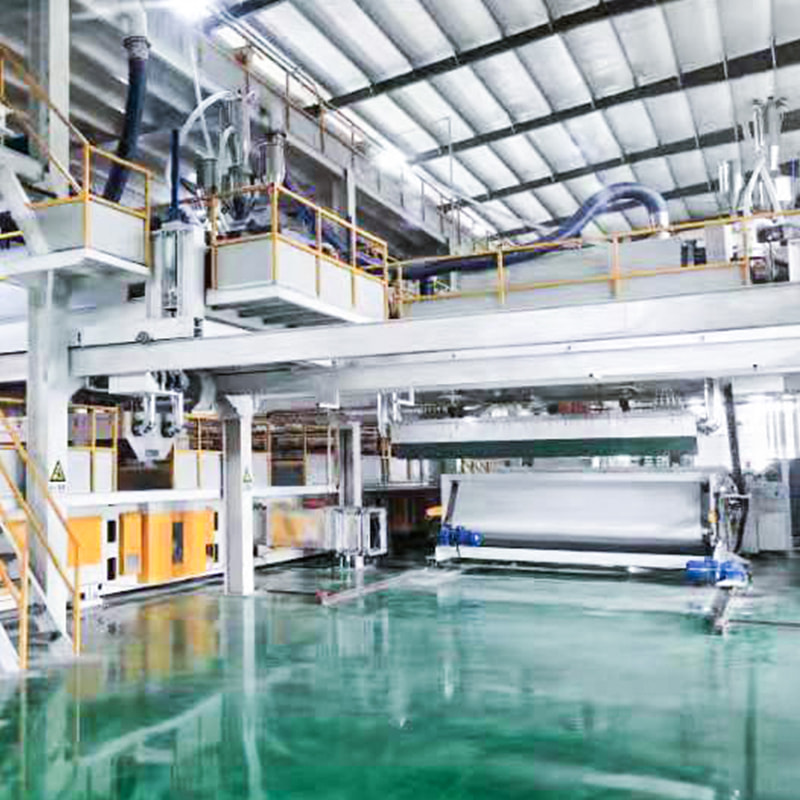
ASTM F1249 connects directly to production equipment. The structure of a nonwoven fabric produced on a spunmelt line determines how the material behaves when combined with films or used as a standalone barrier. An SMS or SMMS composite has both spunbond layers for strength and meltblown layers for finer fiber barrier performance. The arrangement of these layers can influence vapor transmission characteristics. Choosing equipment with the right beam configuration starts with the end application. A producer targeting surgical gowns or hygiene components would benefit from a machine that can create a layered, controlled structure:
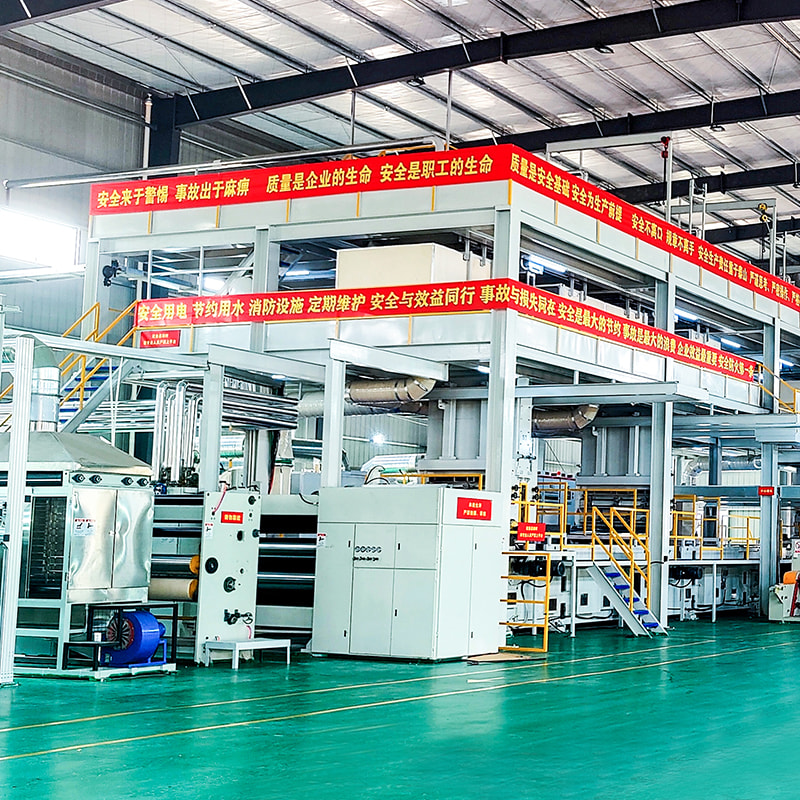
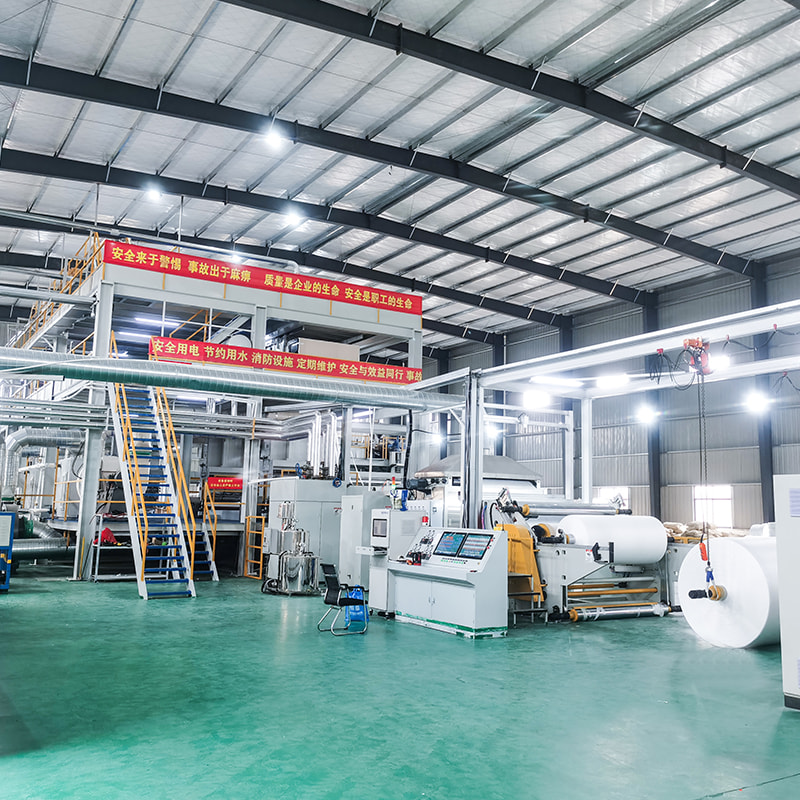
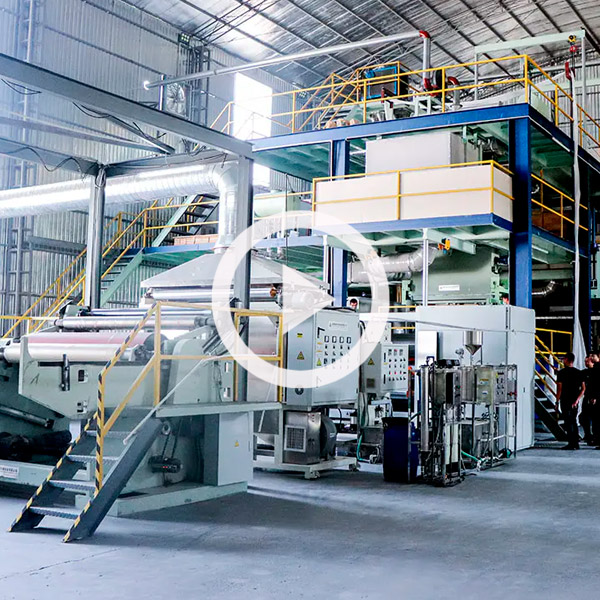 SMS Spunmelt Line for Layered Nonwoven ProductionThis SMS machine combines spunbond and meltblown beams to create layered nonwovens, aligning with the need for controlled barrier structures discussed in the surrounding text about ASTM F1249.View Product →
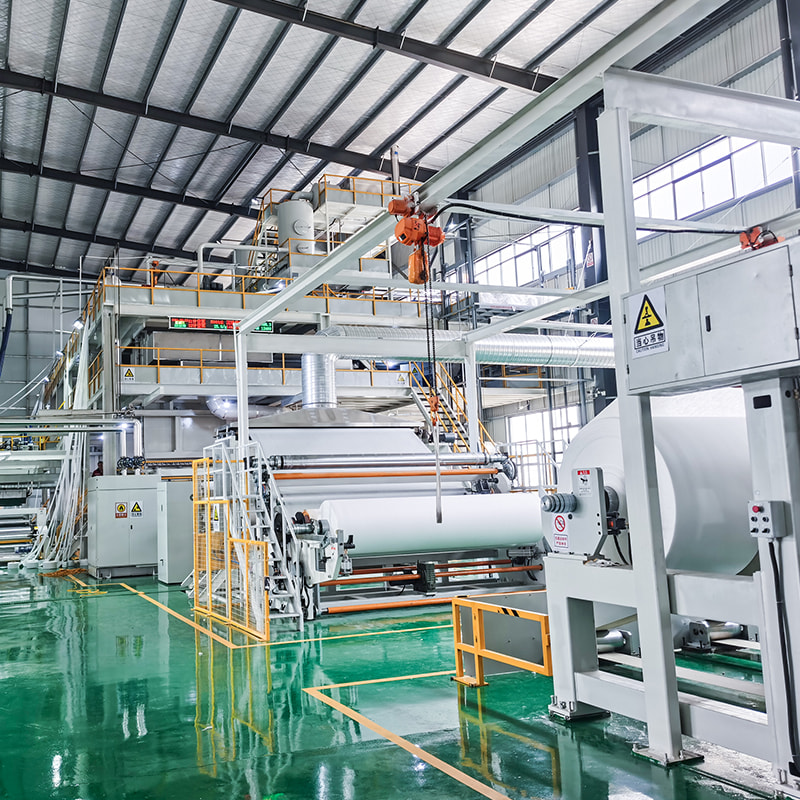
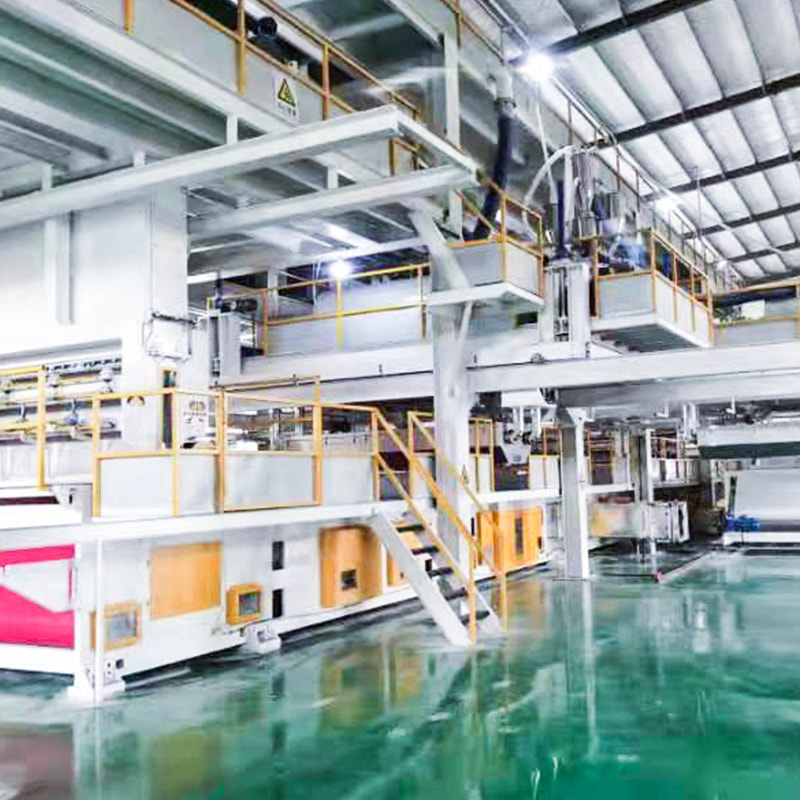
 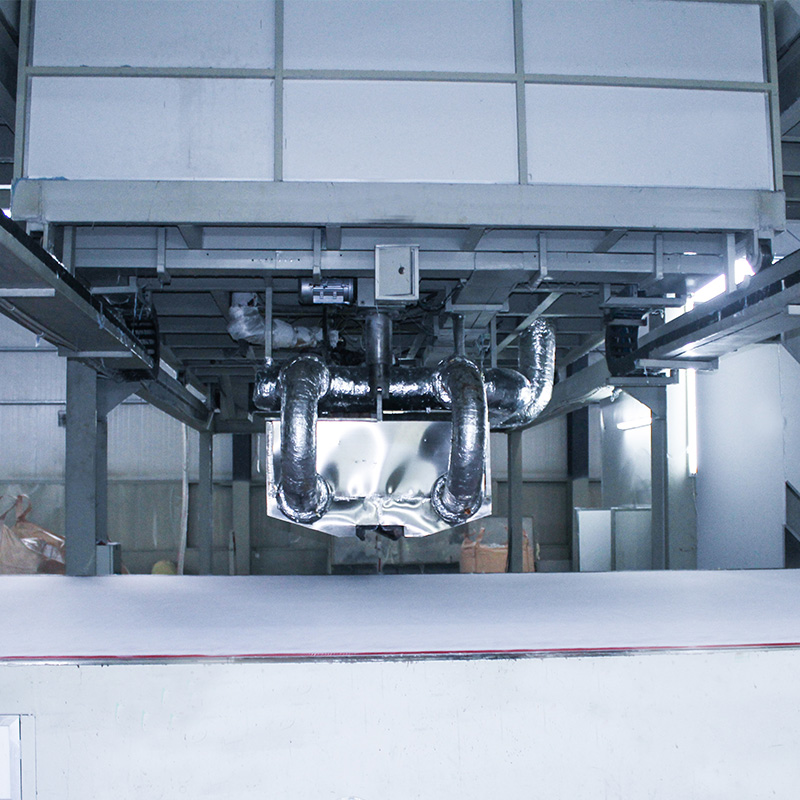 Meltblown Nonwoven Machine for Fine-Fiber Barrier FabricThis meltblown machine produces fine-fiber layers essential for filtration and barrier performance, directly supporting the discussion of layer configuration and vapor transmission in the preceding text.View Product →
The SMS line forms the classic spunbond-meltblown-spunbond structure, while the SMMS configuration adds a second meltblown beam for enhanced barrier uniformity. The meltblown line itself is the core module for producing the fine-fiber layer that gives a fabric its barrier and filtration characteristics. When a producer understands how these layers affect barrier properties, the connection between ASTM F1249 and machine selection becomes concrete.
Running the Test and Keeping Results Reliable
Running F1249 requires attention to several practical details. The test specimen must be representative of the finished product. For a laminate, that means sampling in the transverse direction as well as the machine direction. Thickness variations can create misleading results, so thickness should be measured and recorded for every specimen.
Temperature and humidity control are the backbone of the test. A small drift in either parameter can change the measured WVTR noticeably. Modern instruments use tightly controlled chambers with continuous monitoring, but regular verification with certified reference films remains the best safeguard. If a reference film gives a reading outside its declared tolerance, the instrument needs adjustment before any customer data is released. For a production environment, consistency matters just as much as accuracy. Controlling basis weight, filament denier, and bonding conditions from the start is essential. A production line with reliable temperature, pressure, and speed control contributes directly to reproducible barrier performance. Quality control measures in a nonwoven production line provide a useful framework for this kind of systematic validation.
How F1249 Compares with Other WVTR Standards
ASTM F1249 is not the only standard available for moisture vapor transmission. Compare it with a few commonly encountered alternatives to understand where the modulated infrared method fits.
| Standard | Method | Typical Use |
|---|---|---|
| ASTM F1249 | Modulated infrared sensor | Plastic films, sheeting, laminates |
| ASTM E96 | Gravimetric (desiccant or water) | Sheet materials, building membranes |
| ASTM F372 | Infrared detection | High-barrier films and foils |
ASTM E96 is a gravimetric method that measures weight change over time. It is straightforward but slower and less suited to very high-barrier materials. ASTM F372 also uses infrared detection but is designed for different instrument configurations and ranges. ASTM F1249 offers a balance of speed and sensitivity for plastic films and flexible barrier materials, which is why it is widely referenced in packaging and medical product development. If a customer specifies F1249, they want a result generated by an instrument-based procedure with controlled conditions. The producer can respond by ensuring their laboratory is equipped and calibrated for that method, or by coordinating with an external laboratory.
What This Means for Your Next Project
ASTM F1249 is a practical standard that converts a vague requirement for breathability into a concrete number. For nonwoven producers, the standard serves three purposes. It helps in product development by allowing fabric and laminate variations to be compared objectively. It helps in customer qualification by providing a common language for barrier performance. And it helps in equipment selection by drawing attention to process variables that influence barrier consistency.
The key takeaway is not the standard itself but the discipline it encourages. A producer who knows the test conditions, understands the units, and links the fabric structure to the expected WVTR range is better prepared to serve demanding markets. The next time a customer asks for measured moisture vapor transmission performance, the answer will come from a standard, not from a guess.


 +8613621544385
 No.29 Xinhua Road, Jiashan Village,Jiaxing City Zhejiang P.R., China