

 English
 中文简体
中文简体 русский
 عربى
عربىCarded Web Explained: Fiber Carding, Web Formation and Bonding Methods
Content
- 1 What Is a Carded Web?
- 2 From Bale to Web: The Carding Sequence
- 3 Fiber Selection and Blending for Carded Webs
- 4 Bonding Methods That Turn a Carded Web into Fabric
- 5 Carded Web vs Spunbond and Meltblown
- 6 Where Carded Webs Are Used
- 7 Quality Control and Common Pitfalls
- 8 Choosing the Right Production Line
Carded web is one of those terms that comes up in almost every nonwoven conversation, yet it means slightly different things to different people. For a machine builder, it is the point where staple fibers stop being loose bales and start behaving like a continuous sheet. For a product developer, it is a platform for softness, bulk, and blend flexibility. In this article, we will walk through how a carded web is actually made, which fibers work best, how the web is bonded into a usable fabric, and where carded web nonwovens fit in a market that is also served by spunbond and meltblown lines.
What Is a Carded Web?
A carded web is a fibrous web formed by mechanical carding. The carding machine opens, cleans, and intermixes staple fibers, then condenses them into a continuous web on a doffer roll. The process belongs to the drylaid family of nonwoven web formation, alongside airlaid, and it produces a web rather than a finished fabric. The fibers are held together mainly by friction, crimp, and mechanical entanglement at this stage, so the web must be bonded before it can be rolled, converted, or used in a product.
Because carding works with staple fibers, the resulting web often has a distinct directional character. Most fibers lie in the machine direction, which gives the web good strength in that direction but lower strength across it. Producers manage this by cross-lapping, randomizing, or blending with other web-forming technologies when a more balanced fabric is needed.
From Bale to Web: The Carding Sequence
Although carding looks simple from a distance, a stable carded web depends on a sequence of preparation steps. In our experience on the equipment side, most web quality problems can be traced back to poor fiber preparation rather than the card itself.
- Bale opening and blending: Fibers are taken from bales, weighed, and blended to create a consistent raw material feed.
- Opening and cleaning: Lumps, neps, and foreign matter are reduced before the fibers reach the main cylinder.
- Main carding: The cylinder and worker-stripper rollers disentangle and individualize fibers, aligning them into a thin web.
- Doffer condensation: The doffer removes the web from the cylinder and condenses it into a continuous sheet.
- Web formation: The web is laid down by a cross-lapper, vertical lapper, or randomizer to achieve the required width, weight, and fiber orientation.
The way the web is laid down is a major quality decision. A direct carded web keeps strong machine-direction orientation, while a cross-lapped web trades some MD strength for better cross-direction properties and a more balanced hand.
Fiber Selection and Blending for Carded Webs
Carded web production is unusually flexible when it comes to raw materials. Cotton, viscose, polyester, polypropylene, bicomponent fibers, PLA, and many blends can be carded. The key is to match fiber length, denier, crimp, and finish to the carding line and the final product.
Typical staple lengths for carding fall between roughly 25 mm and 60 mm, with deniers from about 1.5 to 6. Finer fibers generally give a softer, more uniform web, while coarser fibers add bulk and resilience. Crimp helps the fibers interlock before bonding, and a suitable spin finish reduces static and fiber breakage. When a producer wants a specific hand, absorbency, or strength profile, blending two or three fiber types is often more effective than changing the bonding line.
Bonding Methods That Turn a Carded Web into Fabric
A carded web is only an intermediate product. The bonding step decides whether the final nonwoven behaves like a soft hygiene topsheet, a tough geotextile, or a durable filter medium. Thermal, mechanical, chemical, and stitch bonding are the main routes, and each one leaves a different fingerprint on the fabric.
| Bonding Method | How It Works | Typical Fibers | Common End Uses |
|---|---|---|---|
| Thermal bonding | Heat and pressure, or hot air, fuse fibers or bicomponent binder fibers. | PP, PET, bicomponent | Hygiene topsheets, wipes, filtration |
| Needle punching | Barbed needles mechanically entangle the web. | PET, PP, natural fibers | Geotextiles, automotive, furniture |
| Spunlace | High-pressure water jets entangle fibers without heat. | Viscose, PET, cotton blends | Wipes, medical gauze, facial masks |
| Chemical bonding | Latex or binder is applied, then dried and cured. | Viscose, PET, blends | Interlinings, wipes, filtration |
| Stitch bonding | Knit-like stitches lock the web together. | Various staple fibers | Composites, industrial textiles |
Some products combine a carded web with a meltblown layer for barrier performance, especially in medical and filtration applications. If that is your target, a standalone meltblown line can be a practical building block.
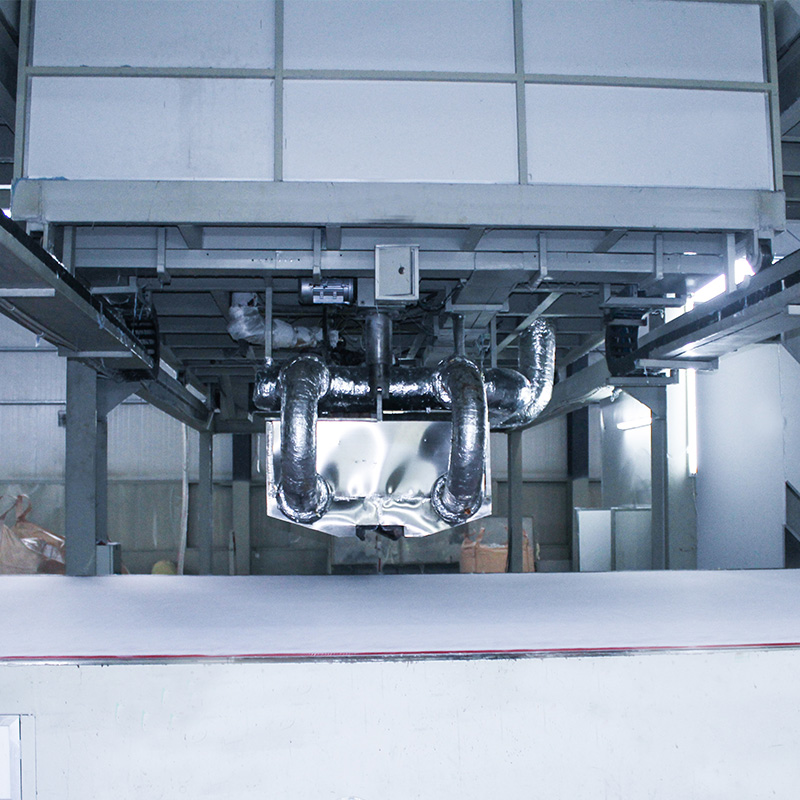 Melt blown nonwoven machineMACHINE SPEED:10-70 M/MINView Product →
Carded Web vs Spunbond and Meltblown
It helps to place the carded web next to spunbond and meltblown, because the three technologies are often compared during project planning. A carded web starts with staple fibers that are mechanically opened and aligned. Spunbond starts with polymer granules that are extruded into continuous filaments and laid directly into a web. Meltblown also starts with polymer, but it produces much finer fibers for barrier and filtration duties.
Carded webs usually win on softness, bulk, blend flexibility, and the ability to use natural or recycled staple fibers. Spunbond wins on production speed, filament strength, and a more uniform, continuous structure. The decision is rarely about one technology being better; it is about the product specification and the economics of the line. For producers who need a reliable spunbond foundation, our single-beam S line is a common starting point for PP spunbond nonwovens.
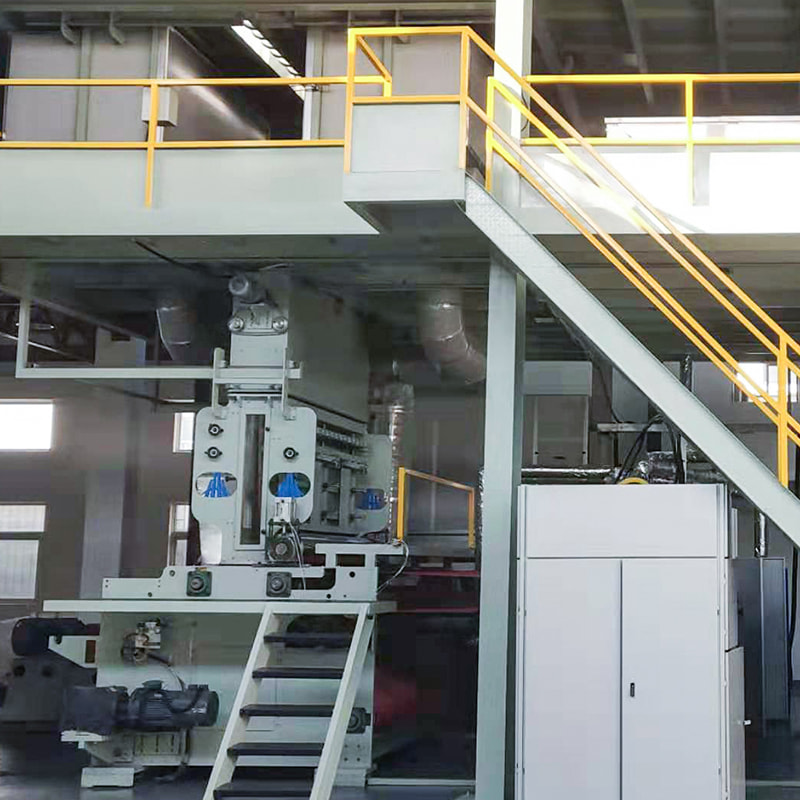 S nonwoven fabric making machineSupply Ability:4 SETS/monthView Product →
Where Carded Webs Are Used
Carded web nonwovens appear in a wide range of everyday and industrial products. The same basic web can be engineered into a very soft disposable item or a heavy-duty durable fabric by changing fiber blend, web weight, and bonding method.
- Hygiene products: topsheets, acquisition layers, and absorbent core wraps.
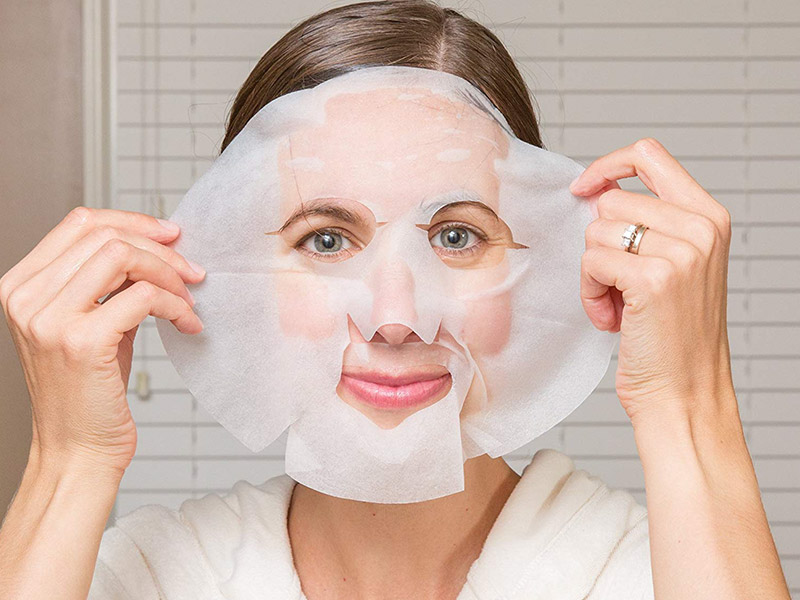
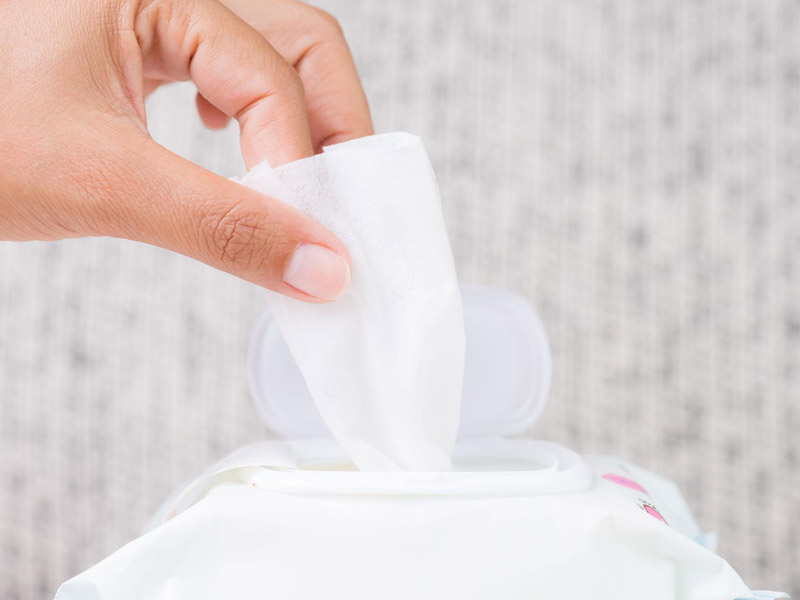
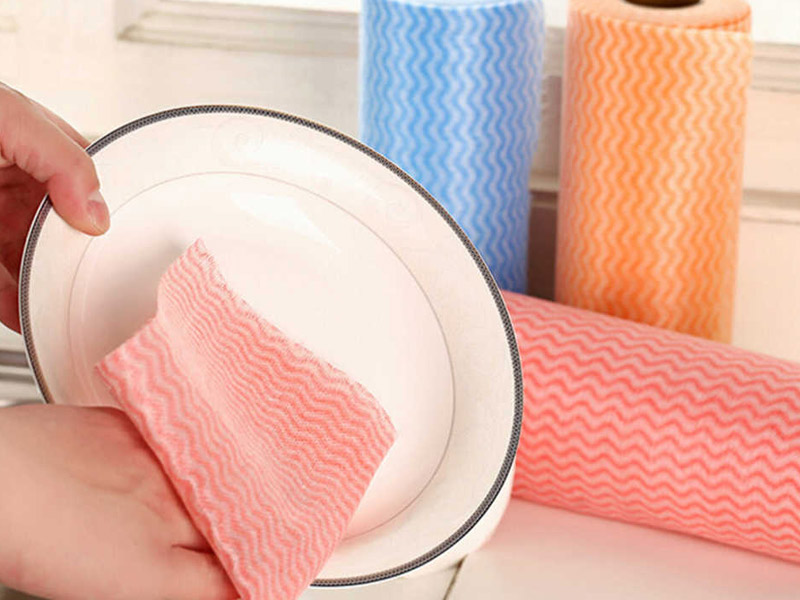
- Wipes and personal care: dry wipes, wet wipes, facial masks, and kitchen towels.
- Medical textiles: gauze, wound care, drapes, and protective components.
- Filtration: air filters, liquid filters, and HVAC media.
- Geotextiles and agriculture: landscape fabric, crop covers, and soil stabilization.
- Automotive and furniture: padding, insulation, carpet backing, and interior trim.
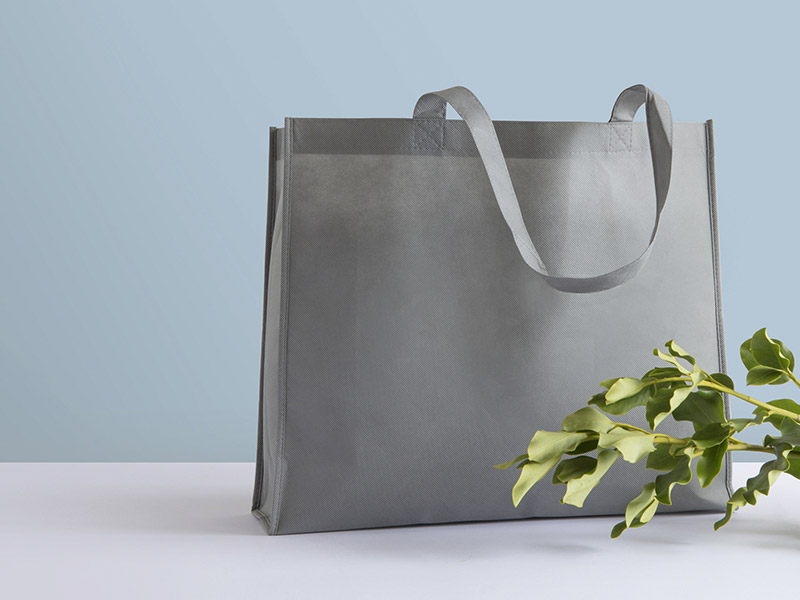
- Packaging and retail: reusable shopping bags and protective wraps.
If you want a broader view of how nonwoven fabrics are applied across industries, we keep a practical overview in our industry news section.
Quality Control and Common Pitfalls
Carded web quality is judged by consistency: web weight, fiber orientation, tensile strength in both directions, thickness, and air permeability. In production, the most common problems are nep formation, cloudiness or streaks in the web, excessive static, and uneven cross-direction weight.
Most of these issues can be controlled with disciplined fiber preparation, stable card settings, and good humidity management. Regular checks of cylinder speed, worker-stripper settings, doffer speed, and web tension help keep the line stable. When a product requires a specific MD/CD strength ratio, the web-laying method and bonding conditions must be tuned together rather than treated as separate variables.
Choosing the Right Production Line
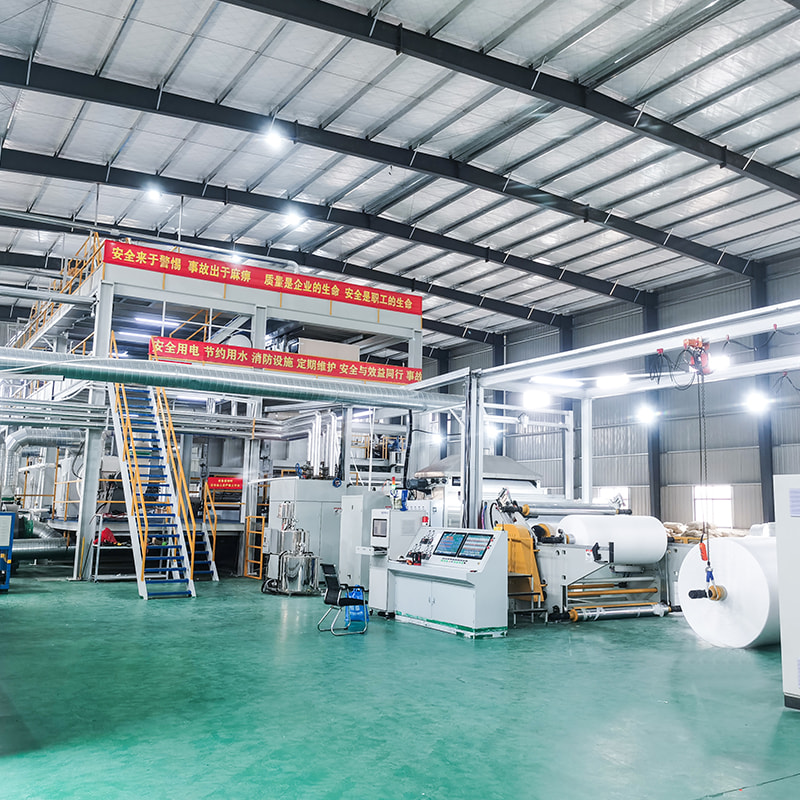
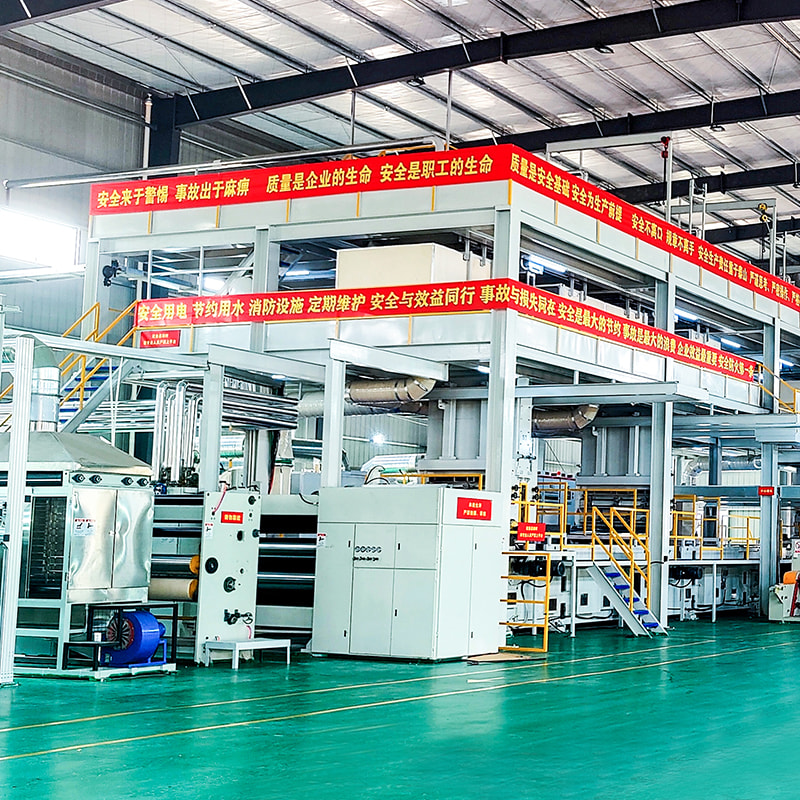
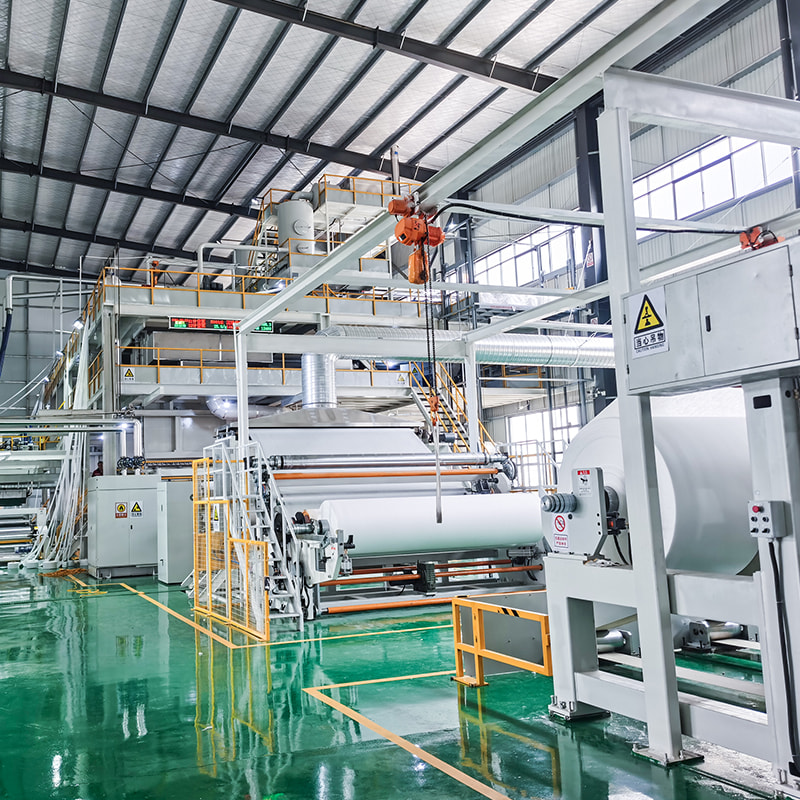
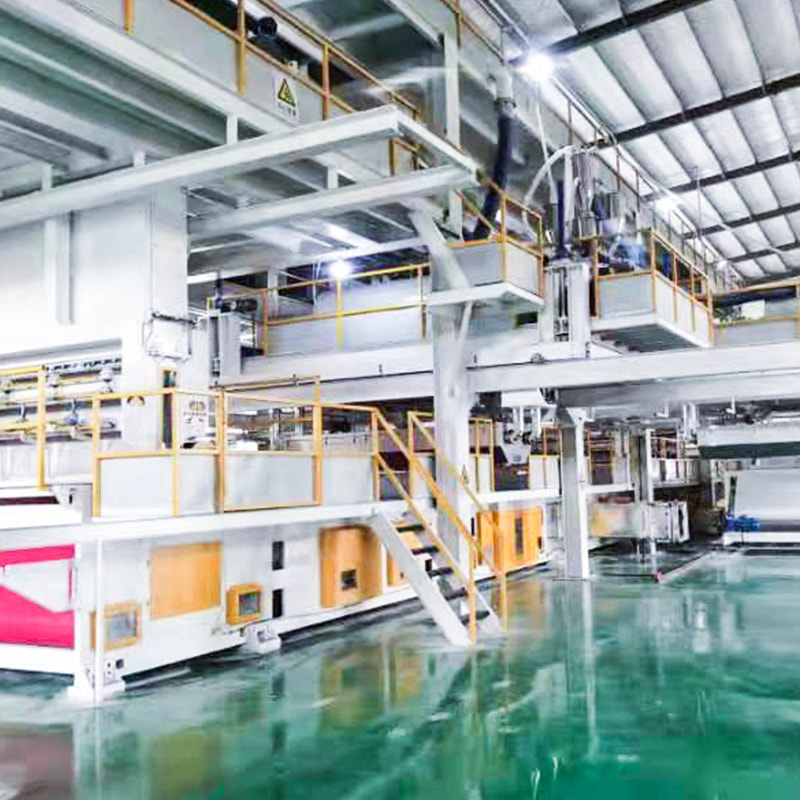
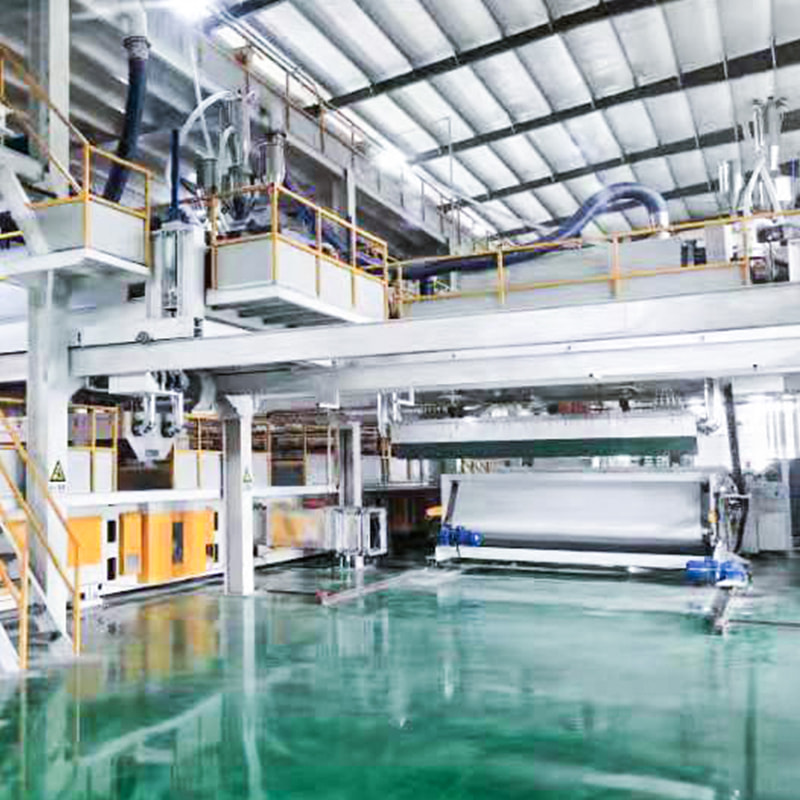
Whether you are planning a carded web line or a spunmelt line, the right choice starts with the product. Define the target fabric weight, width, fiber blend, bonding method, and required output. Then consider how much automation and process control you need. Our own equipment range covers single-beam S, double-beam SS, triple-beam SSS, SMS, SMMS, and SMMSS configurations, with working widths from 1600 mm to 4200 mm.
For products that need a barrier layer, an SMS composite line can combine spunbond strength with meltblown filtration in one continuous process. That is often a better fit than trying to add barrier performance during converting.
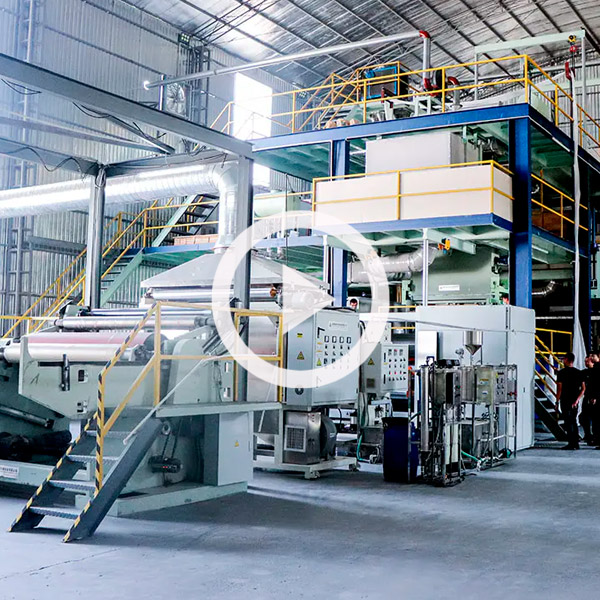 pp SMS machineSupply Ability:4 SETS/monthView Product →
If you would like to know more about how we work with mills and investors, you can learn more about our background on our about page.
Carded web technology remains a valuable part of the nonwoven toolkit. It offers blend flexibility, softness, and a cost structure that suits many hygiene, medical, wipe, and industrial products. Understanding the carding sequence and the bonding options is the first step toward specifying a line that will still make commercial sense years from now. If you are weighing carded web, spunbond, or a composite approach, our team is always happy to talk through the practical trade-offs.


 +8613621544385
 No.29 Xinhua Road, Jiashan Village,Jiaxing City Zhejiang P.R., China