

 English
 中文简体
中文简体 русский
 عربى
عربىNonwovens Consolidation: Methods, Comparison & Machine Selection Guide
Content
What Is Nonwoven Consolidation and Why It Matters
Nonwoven fabric production involves two fundamental stages: web formation and web consolidation. While web formation arranges fibers into a loosely structured mat, consolidation is the process that transforms this fragile fiber assembly into a coherent, functional fabric with measurable strength, integrity, and performance characteristics.
Without consolidation, a freshly formed fiber web has almost no tensile strength and cannot be processed, wound, or used in any downstream application. The consolidation step — through physical, thermal, or chemical action — creates the fiber-to-fiber bonds that give the nonwoven its mechanical properties, surface texture, porosity, and durability.
Critically, the choice of consolidation method is not a secondary decision. It directly determines the final product's softness or stiffness, its strength-to-weight ratio, its filtration efficiency, and its suitability for applications ranging from surgical drapes to geotextile membranes. Understanding the differences between consolidation technologies is therefore essential for anyone designing a nonwoven production line or selecting a fabric for a specific end use.
The Four Main Methods of Nonwoven Web Consolidation
1. Mechanical Consolidation
Mechanical bonding entangles fibers physically without the use of heat or chemicals. The two dominant techniques are needle punching and hydroentanglement (spunlace).
Needle punching uses barbed needles that repeatedly penetrate the fiber web, hooking and reorienting fibers to create a dense, interlocked structure. The result is a robust, thick fabric with high abrasion resistance, commonly used in geotextiles, automotive carpets, filtration felts, and insulation materials. Needle density — typically ranging from 50 to 500 punches/cm² — directly controls the fabric's compactness and tensile strength.
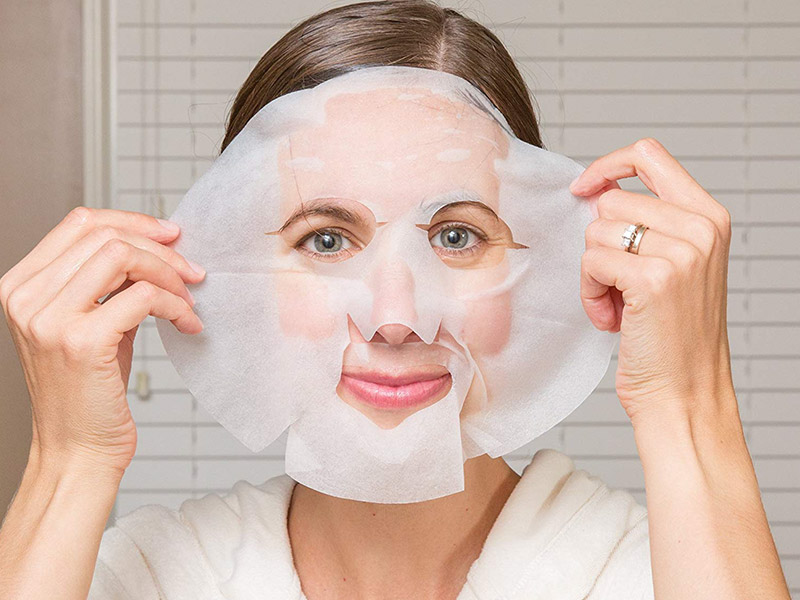
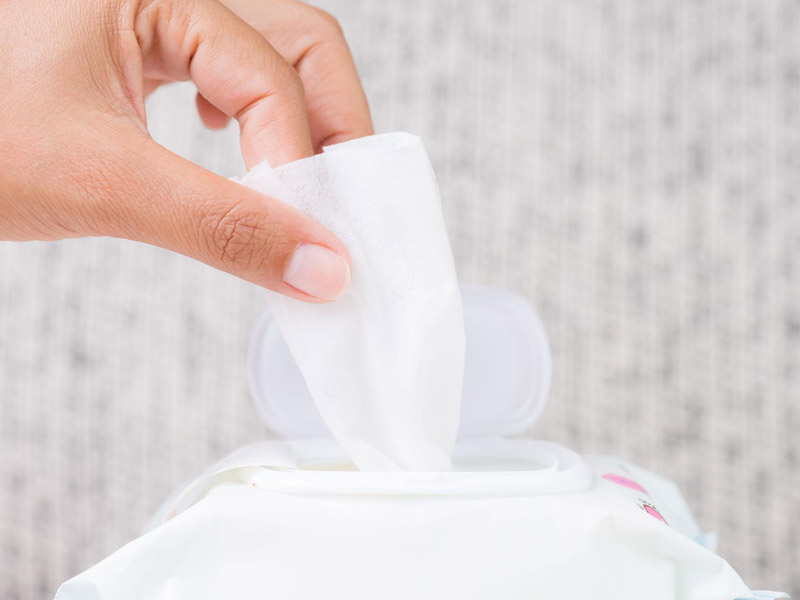
Hydroentanglement (also called spunlace) achieves fiber entanglement through high-pressure water jets directed at the web. This binder-free process produces fabrics that are exceptionally soft, drapable, and uniform — properties that make it the preferred consolidation method for wipes, medical dressings, and cosmetic sheets. Because no chemical binder is added, hydroentangled fabrics are considered cleaner and more suitable for skin-contact and hygiene applications.
2. Thermal Consolidation
Thermal bonding applies heat — with or without pressure — to melt thermoplastic fibers or binder components within the web, forming bonds at fiber-to-fiber contact points upon cooling. It is the most widely used consolidation method in spunbond and spunmelt production.
Calendering (hot-roll bonding) passes the web through heated embossing rollers that apply localized heat and pressure, creating a pattern of bonded zones across the fabric surface. This process is fast, precise, and well-suited to high-speed polypropylene spunbond lines. The bonded area ratio — commonly 15–25% of the fabric surface — controls the balance between strength and softness.
Air-through bonding (ATB) circulates hot air through the full thickness of the web, activating low-melting-point binder fibers uniformly throughout the structure. This produces a bulky, lofty, and highly breathable fabric. ATB is the method of choice for hygiene top sheets, diaper acquisition layers, and thermal insulation products where softness and air permeability are critical.
Powder bonding disperses thermoplastic powder throughout the web, which is then activated by heat. This contactless technique is used for lightweight, open-structure fabrics and is gaining acceptance as a cost-effective alternative to binder fiber blending.
3. Chemical Consolidation
Chemical bonding introduces a liquid binder — typically an acrylic, styrene-butadiene, or polyvinyl acetate emulsion — into the fiber web via saturation, spraying, printing, or foam application. Upon curing, the binder bridges fiber intersections and creates a bonded network.
Chemical bonding is highly versatile and can be applied to almost any fiber type, including natural fibers and glass fiber mats that are not heat-processable. However, it tends to add stiffness and weight, and the use of chemical binders introduces considerations around VOC emissions and recyclability. It remains widely used in automotive headliners, filtration media, and wet-laid nonwovens.
4. Solvent Bonding
Solvent bonding partially dissolves fiber surfaces using a solvent, allowing adjacent fibers to fuse upon evaporation. This niche technique is used for specific technical applications requiring precise bonding without the addition of foreign binder materials. Due to its complexity and solvent handling requirements, it is far less common than the other three methods.
Comparing Consolidation Methods: A Practical Guide
The table below summarizes the key trade-offs across the four primary consolidation approaches to help engineers and production planners make informed decisions.
| Method | Fabric Strength | Softness | Throughput Speed | Typical Basis Weight | Common Applications |
|---|---|---|---|---|---|
| Needle Punching | High | Low–Medium | Medium | 100–3,000 gsm | Geotextiles, carpets, filtration felts |
| Hydroentanglement | Medium–High | Very High | High | 30–200 gsm | Wipes, medical dressings, cosmetic sheets |
| Thermal (Calender) | Medium–High | Medium | Very High | 10–80 gsm | Hygiene fabrics, bags, packaging |
| Thermal (Air-Through) | Medium | Very High | Medium–High | 15–100 gsm | Diaper top sheets, insulation, face masks |
| Chemical Bonding | Adjustable | Low–Medium | Medium | 20–500 gsm | Automotive, glass fiber mats, wet-laid |
No single consolidation method is universally superior. The optimal choice depends on the fiber type, target basis weight, required end-use performance, and the economics of the production line. In practice, many modern production lines combine two consolidation steps — for example, needle punching followed by thermal bonding — to achieve performance characteristics that neither method could deliver alone.
Choosing the Right Consolidation Method for Your Application
Matching the consolidation method to the intended application is the most critical decision in nonwoven product development. Here is a practical breakdown by major application segment.
Medical and Surgical Applications
Surgical gowns, drapes, and wound dressings demand barrier performance, sterility compatibility, and often softness against skin. Thermal consolidation via calendering on SMS or SMMS spunmelt lines is the dominant approach, as the meltblown layer provides inherent barrier function while the spunbond layers contribute strength and feel. For wound contact dressings, binder-free hydroentanglement is preferred to avoid any chemical residues. For more on how nonwovens serve medical environments, see our guide on nonwoven applications across hygiene, medical, and industrial fields.
Hygiene Products (Diapers and Femcare)
Top sheets and acquisition-distribution layers in baby diapers and feminine hygiene products must be soft, highly breathable, and rapidly liquid-permeable. Air-through bonding on bicomponent fiber webs — using a sheath/core PP/PE fiber system — delivers the required lofty, open structure. Calender-bonded spunbond is used for the outer cover and back-sheet layers where strength and printability are prioritized.
Filtration Media
Filtration performance depends on pore size, fiber diameter, and fabric uniformity. Meltblown webs, which produce fibers typically below 5 microns in diameter, are consolidated through the spunmelt process itself and then laminated with spunbond layers to form composite filtration media. For demanding industrial dust filtration, needle-punched felts from heavier staple fiber webs offer high loading capacity and mechanical durability. Our detailed overview of how nonwovens perform across filtration applications covers media selection in greater depth.
Agricultural and Geotechnical Uses
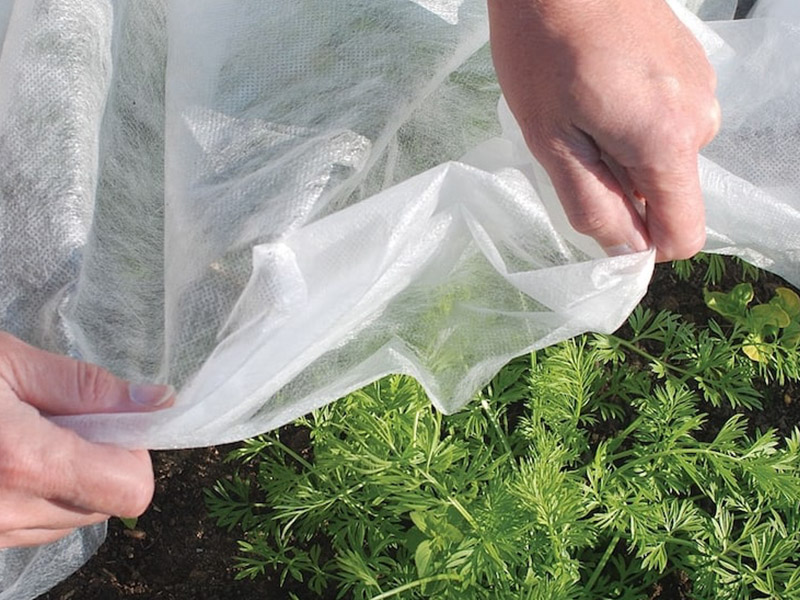
Crop covers, root barriers, and geotextile membranes require high tensile strength, UV stability, and durability under mechanical stress. Needle-punched polypropylene and polyester nonwovens — often in basis weights of 200–600 gsm — are the standard solution. The needle density and punch depth are adjusted to control the fabric's elongation and permeability to match soil drainage requirements.
How Machine Configuration Affects Consolidation Quality
The quality and consistency of nonwoven consolidation is not determined solely by the bonding technology — it is equally shaped by the precision and configuration of the production machinery. Several machine-level parameters have a direct impact on the bonded fabric's final properties.
On thermal calender-bonded lines, the roller surface temperature, nip pressure, and embossing pattern geometry must be tightly controlled. Even a 5°C deviation in roller temperature can shift the bonded area ratio and alter the fabric's hand feel and tensile performance. High-precision calender systems with closed-loop temperature control and uniform nip pressure distribution are essential for consistent output across wide production widths.
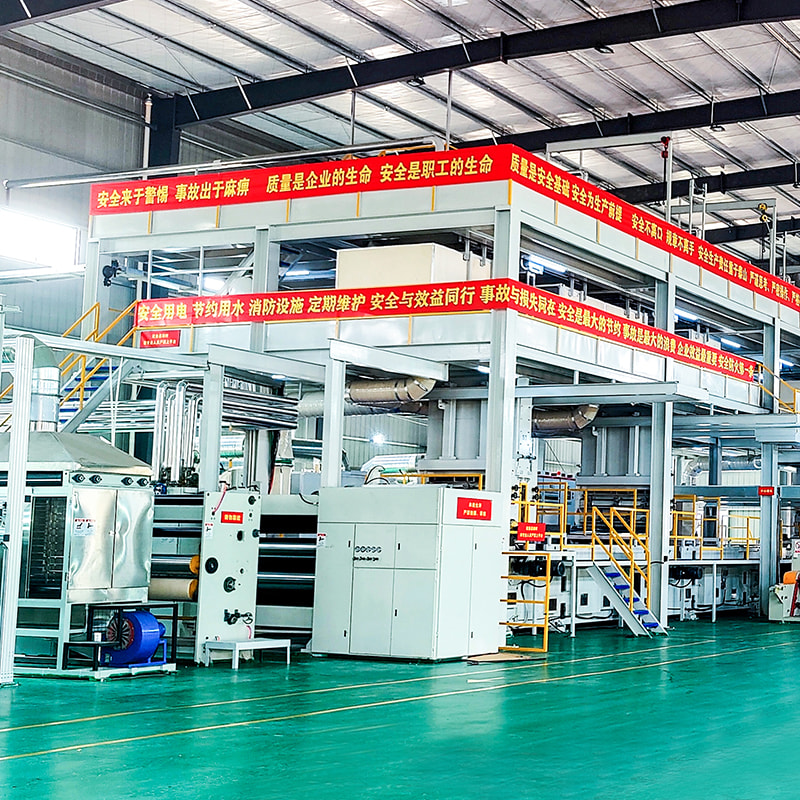
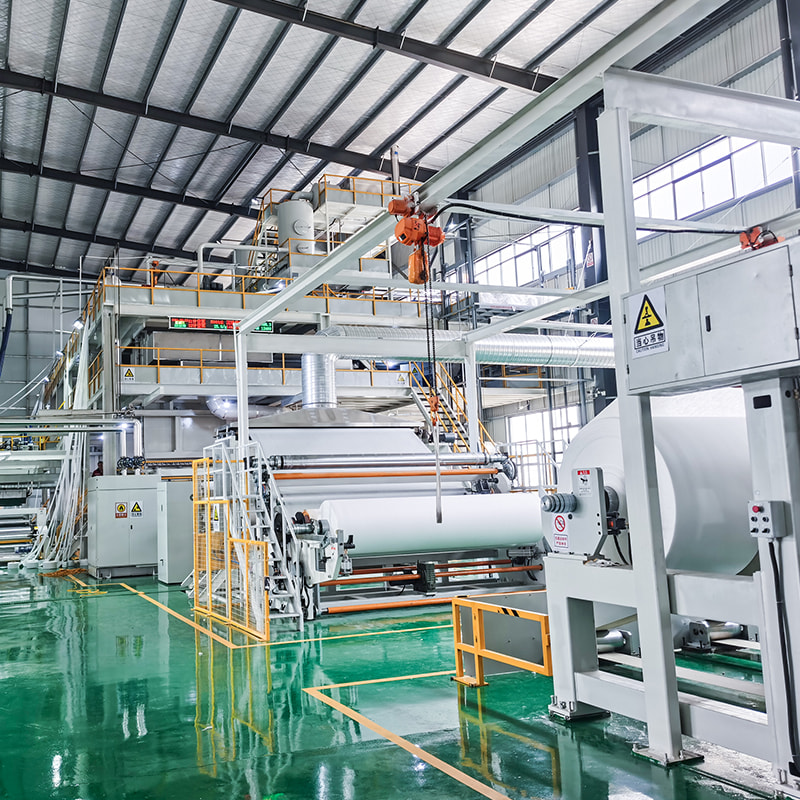
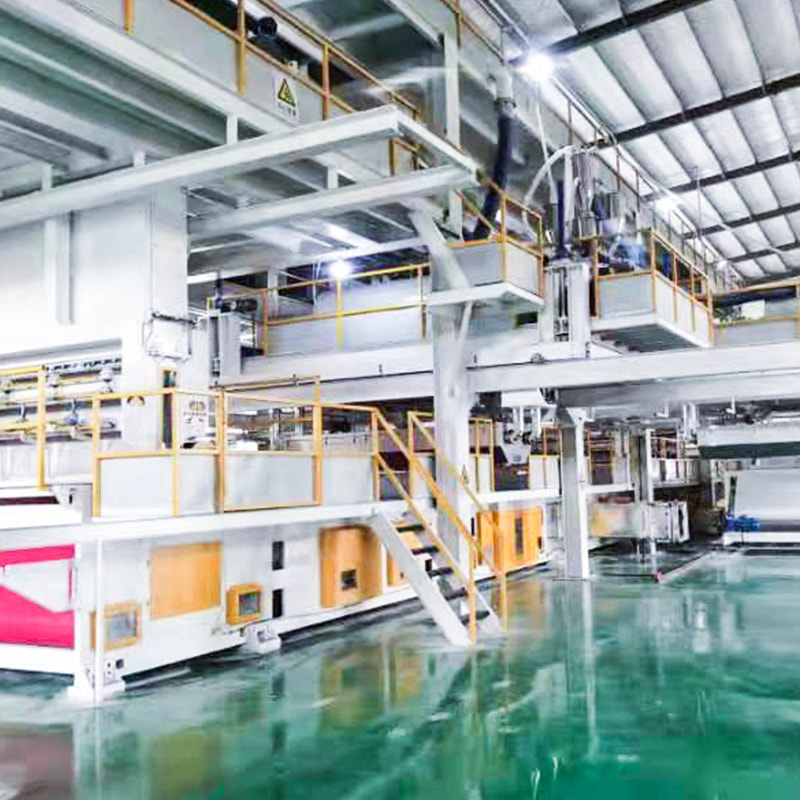
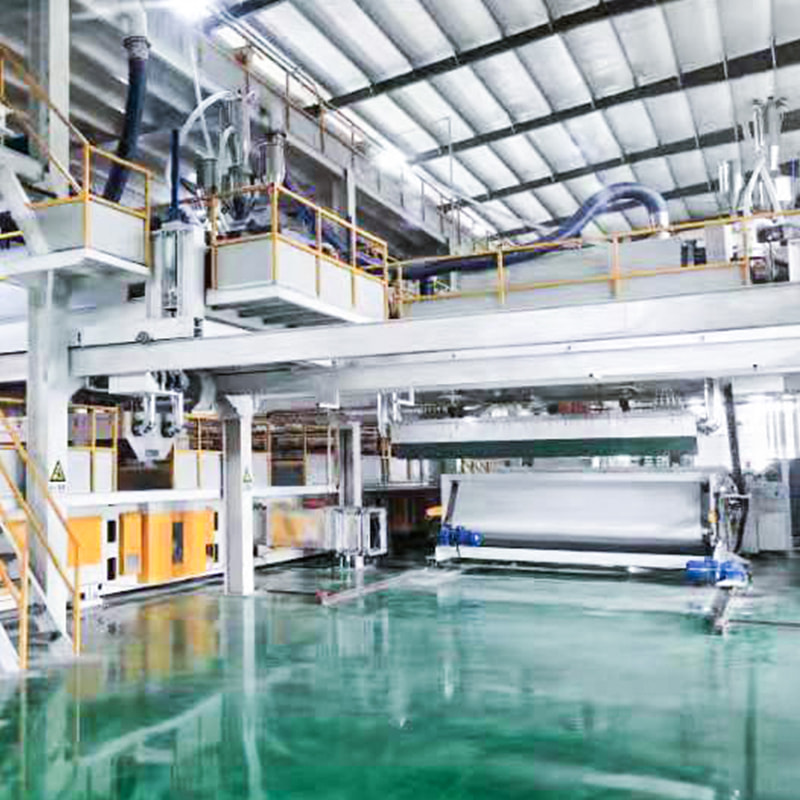
For spunbond lines, the spinning beam count directly influences the fabric's consolidation uniformity. A single-beam S line produces fabric suitable for basic applications, while multi-beam configurations — SS, SSS — generate more uniform filament distribution before the calender, which translates into more consistent bond point density across the web width. Spunbond nonwoven production lines with integrated thermal bonding systems are available in single- to triple-beam configurations to match different output and quality requirements.
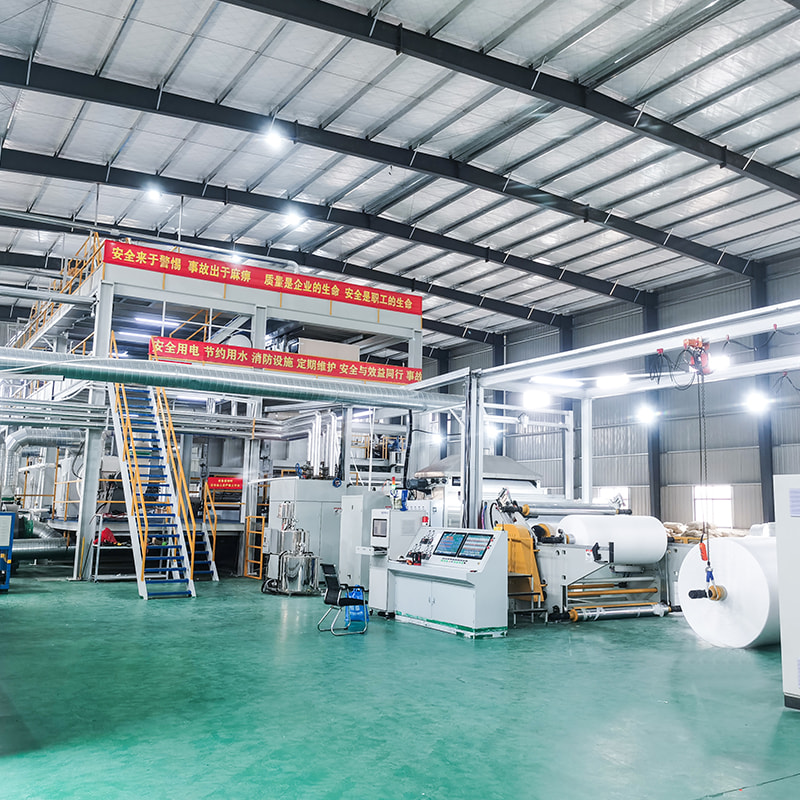
Spunmelt composite lines — combining spunbond and meltblown beams in configurations such as SMS, SMMS, or SMMSS — integrate consolidation directly into the forming process. The meltblown layers are deposited onto the spunbond web in a partially bonded state, and the composite is then calendered as a unified structure. This in-line approach produces tightly controlled multi-layer fabrics with superior barrier properties compared to offline lamination. Spunmelt machines combining spunbond and meltblown for composite consolidation represent the most capable platform for medical and hygiene-grade fabric production.
For manufacturers focused on filtration, standalone meltblown equipment for producing fine-fiber filtration webs allows precise control over fiber diameter distribution and web density — two parameters that directly govern filtration efficiency and pressure drop.
Machine selection, fiber specification, and consolidation parameters must be designed as a system, not as independent choices. Investors and production engineers planning a new line should align all three before committing to equipment. For a comprehensive checklist of what to evaluate before commissioning a production line, refer to our guide on key preparations before launching a PP nonwoven production line.


 +8613621544385
 No.29 Xinhua Road, Jiashan Village,Jiaxing City Zhejiang P.R., China