

 English
 中文简体
中文简体 русский
 عربى
عربىWet Wipes Manufacturing: Complete Process Guide from Substrate to Packaging
Content
- 1 Choosing the Right Nonwoven Substrate
- 2 Formulating the Wetting Solution
- 3 From Fiber to Fabric: How Nonwoven Is Produced for Wet Wipes
- 4 The Converting and Packaging Process
- 5 Quality Control and Compliance Standards
- 6 Sustainability Trends Reshaping Wet Wipes Manufacturing
- 7 Building a Competitive Wet Wipes Production Line
Every year, the global wet wipes market generates tens of billions of units consumed in homes, hospitals, and nurseries. According to industry analysis from Global Market Insights, the market was valued at USD 5.1 billion in 2025 and is forecast to expand at a 5.8% CAGR through 2035, driven by hygiene awareness, healthcare adoption, and product innovation across personal care categories. Behind each individually sealed wipe is a production process that combines materials science, precision engineering, and strict quality management. Whether you are planning to launch a private-label brand, invest in a manufacturing line, or partner with an OEM supplier, understanding how wet wipes are made is the first step toward making the right decisions. This guide walks through the full wet wipes manufacturing process — from substrate selection to packaging — with the depth that buyers, engineers, and brand owners actually need.
Choosing the Right Nonwoven Substrate
The substrate — the physical fabric of the wipe — determines almost everything: how the wipe feels on skin, how much lotion it retains, how strong it stays when wet, and whether it meets environmental standards. Most wet wipes use nonwoven fabric rather than woven textiles because nonwovens can be engineered precisely for softness, absorbency, and wet strength simultaneously.
The most common material combinations include polyester/viscose blends (which balance durability with softness), pure cotton (prized for baby and sensitive-skin applications), and spunbond polypropylene (used where cost efficiency and barrier properties matter more than softness). For manufacturers targeting sustainability, bamboo fiber and PLA (polylactic acid) substrates derived from corn starch are gaining ground, particularly in European markets where regulations on plastic content are tightening. Each substrate choice carries a tradeoff: synthetic fibers add wet strength but reduce biodegradability; natural fibers biodegrade well but may require additional bonding reinforcement to survive heavy-duty wiping tasks.
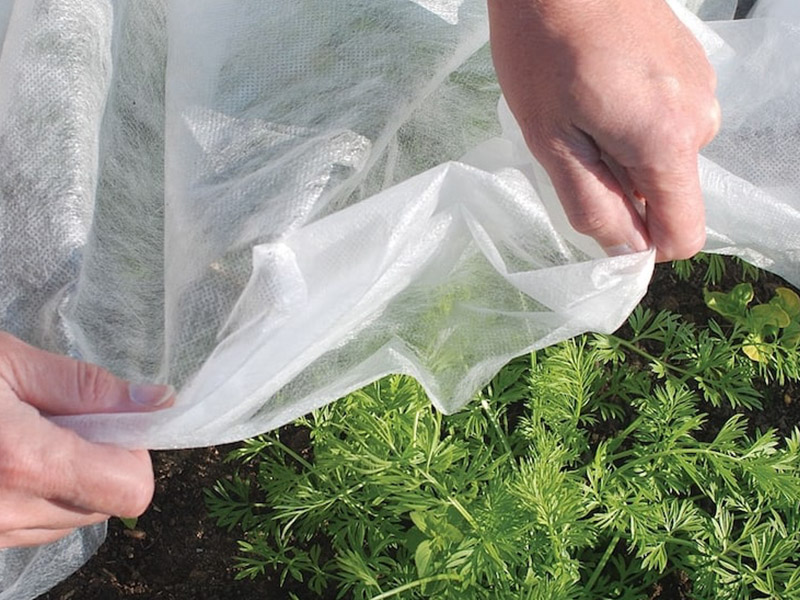
Basis weight — the fabric's weight per square meter — typically falls between 40 and 80 gsm for consumer wet wipes, with medical-grade or industrial wipes running higher. Selecting the wrong basis weight leads to wipes that either fall apart mid-use or feel uncomfortably thick, so this parameter is established in close coordination with lotion add-on weight and intended use. Sourcing high-quality spunbond nonwoven fabric rolls engineered specifically for wet applications ensures the substrate performs consistently across production batches.
Formulating the Wetting Solution
The lotion — or wetting solution — is what gives a wet wipe its functional identity. A baby wipe, a disinfecting wipe, and a makeup-removing wipe may look nearly identical on the shelf, but their solutions are chemically worlds apart.
Purified water forms the base of virtually every formula, typically accounting for 80–95% of the total composition. This water must pass reverse osmosis or deionized treatment to eliminate microbial contamination before any other ingredient is introduced. Moisturizing agents such as glycerin and propylene glycol are added next, followed by pH-adjusting buffers to keep the solution within a skin-safe range of 4.5–6.5. Preservative systems — including combinations of phenoxyethanol, benzoic acid, or newer phenoxyethanol-free alternatives — are critical: any residual microorganisms in a sealed, moist environment will multiply rapidly and create a safety hazard.
For specialized categories, the formulation diverges significantly. Disinfecting wipes incorporate alcohol (typically 55–75%) or quaternary ammonium compounds, which places them under pharmaceutical or pesticide regulation in many jurisdictions. These active ingredients require explosion-proof mixing equipment and dedicated ventilation. Baby wipes, conversely, must comply with hypoallergenic standards and avoid fragrance where possible. Mixing is carried out in stainless-steel vessels with agitation maintained at 200–400 rpm at a controlled temperature of 25 ± 2°C to protect heat-sensitive components.
From Fiber to Fabric: How Nonwoven Is Produced for Wet Wipes
Understanding how the nonwoven substrate itself is manufactured helps wet wipe producers specify the right material and select equipment that delivers consistent quality. The two dominant processes used upstream of wet wipe converting are spunbond and hydroentangling (spunlace), each suited to different end products.
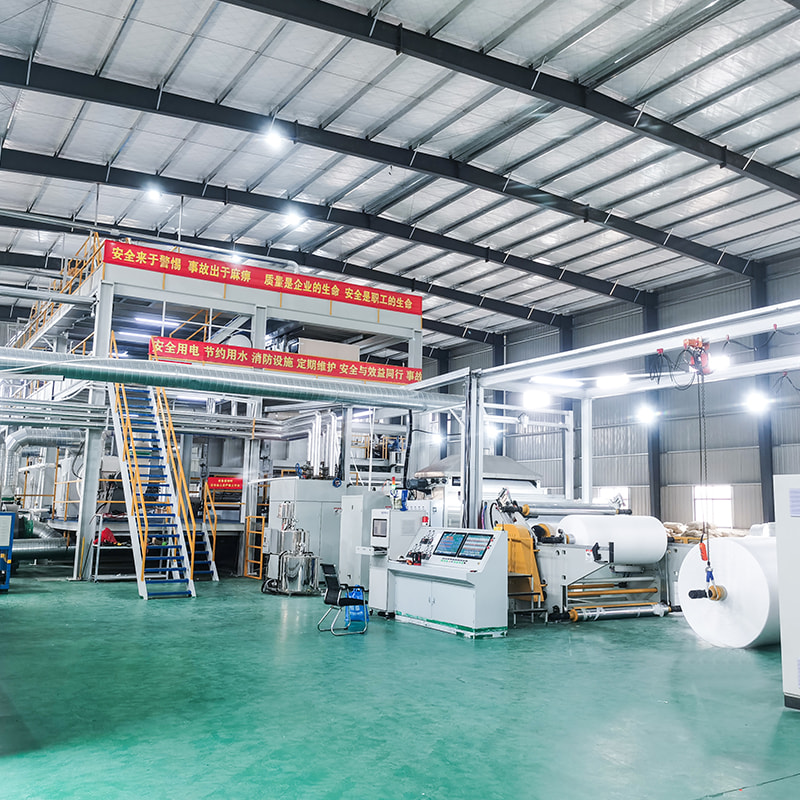
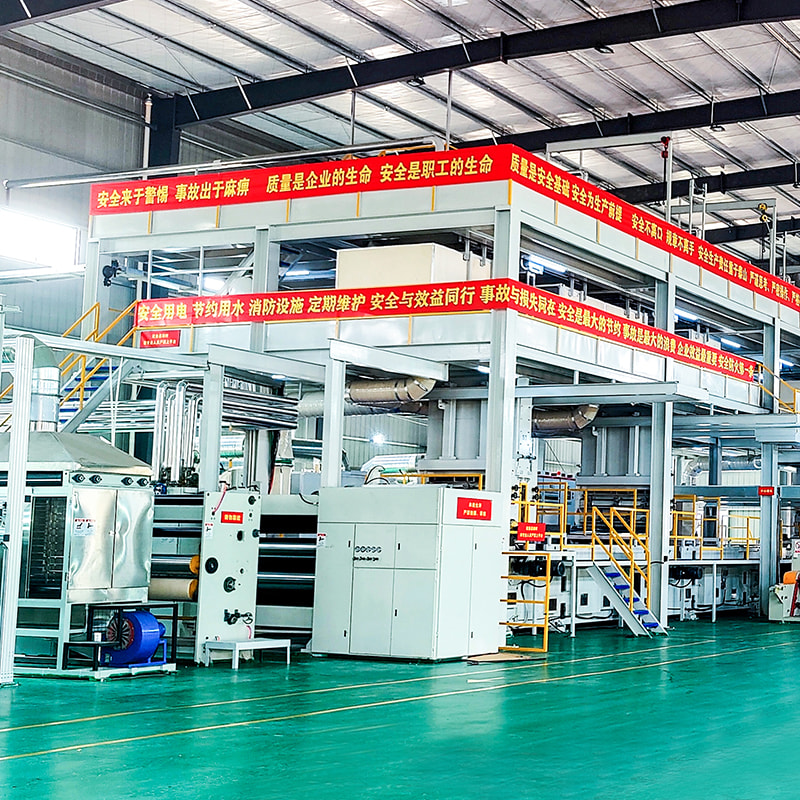
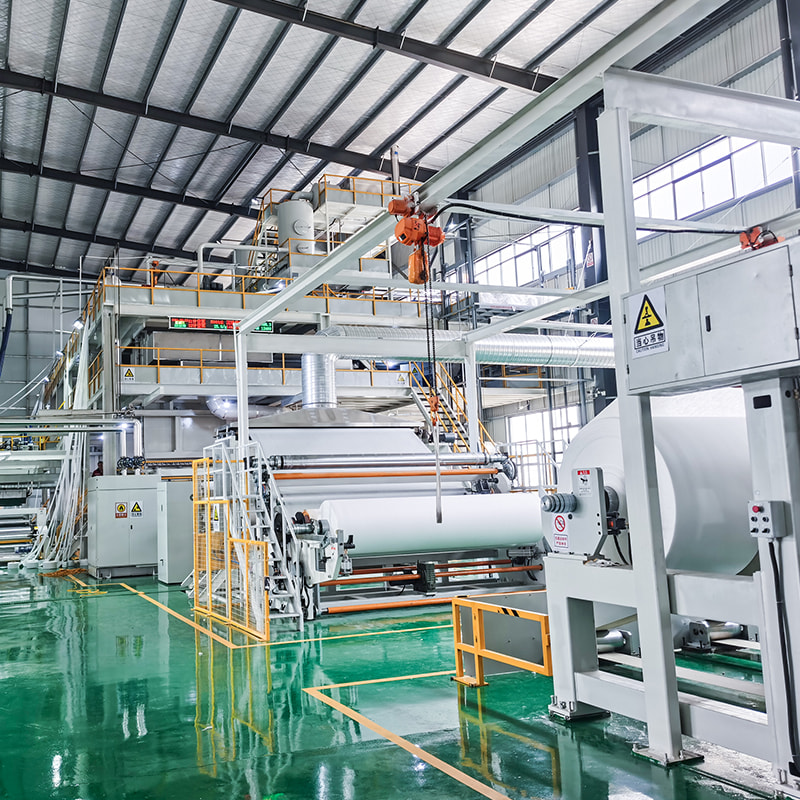
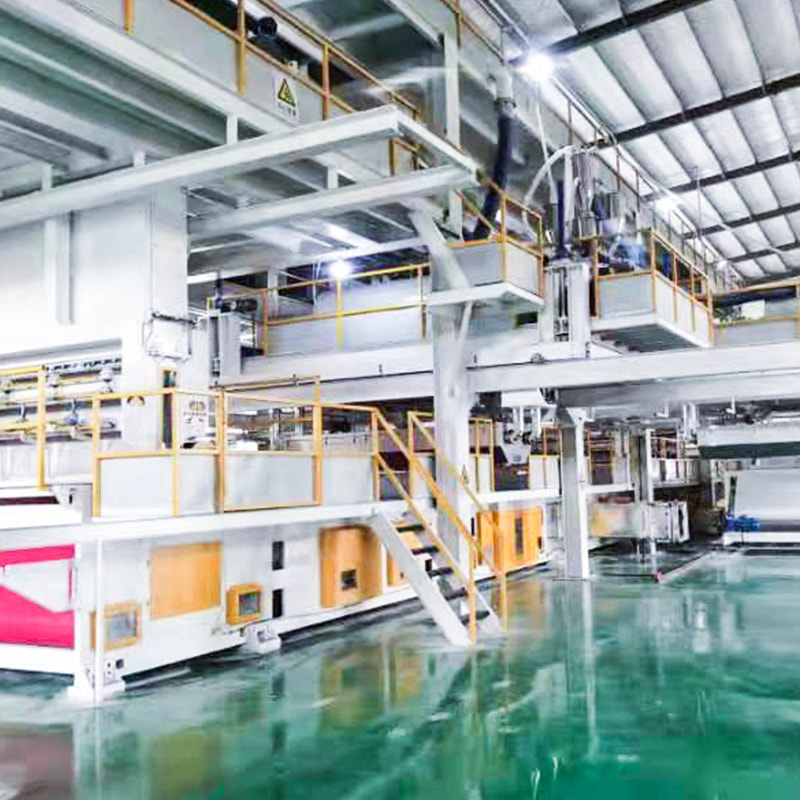
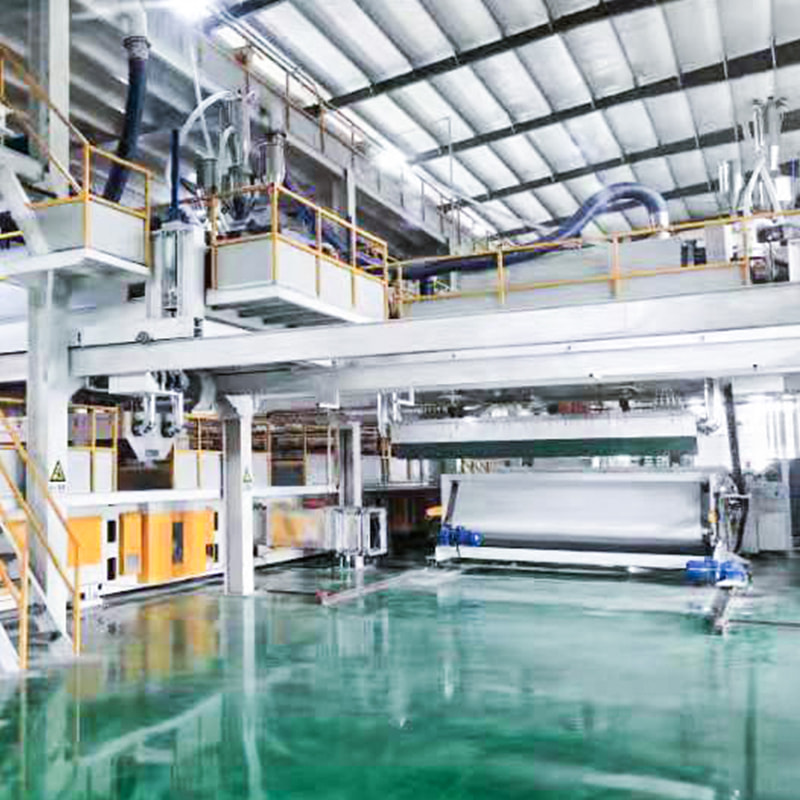
In the spunbond process, polymer pellets — most commonly polypropylene — are melted, extruded through fine spinnerets, and drawn into continuous filaments that are deposited onto a moving belt to form a web. The web is then thermally or chemically bonded to achieve the desired tensile properties. Spunbond fabric is cost-effective, uniform, and ideal for applications where softness requirements are moderate. Spunbond nonwoven machines designed for high-output fabric production can achieve speeds exceeding 300 m/min, making them well-suited for large-volume wipe substrate supply.
The SMS and SMMS configurations (Spunbond-Meltblown-Spunbond and its multi-layer variants) add one or two meltblown layers between spunbond layers. Meltblown fibers are extremely fine — often below 1 micron — and provide barrier or filtration performance alongside the structural integrity of the outer spunbond layers. For wet wipes that require both liquid management and a refined hand feel, SMS and SMMS spunmelt nonwoven production lines deliver the composite structure that single-layer fabrics cannot match. The meltblown component within these lines is produced by melt-blown nonwoven machines for ultra-fine fiber layers that use high-velocity hot air streams to attenuate molten polymer into sub-micron filaments.
For those looking to understand the upstream production process more deeply, a detailed breakdown of how spunbonded nonwoven fabric is made covers the fiber formation steps, web bonding methods, and the parameter controls that determine final fabric quality.
The Converting and Packaging Process
Converting is where raw nonwoven fabric rolls are transformed into finished, consumer-ready wet wipes. This stage requires the highest level of automation precision because any deviation in cutting dimensions, fold alignment, or lotion dosing directly affects the user experience and shelf life.
The process typically unfolds in the following sequence:
- Unwinding and slitting: Master rolls — which can be 1.5–3.5 meters wide — are slit down to the width required for individual wipes. Servo-controlled unwinders maintain web tension within ±0.5 N to prevent uneven stretching that would cause downstream cutting errors.
- Folding: The slit web passes through a folding unit that creates Z-fold or C-fold patterns. Fold geometry affects how the next wipe pulls out of the pack: a correctly designed fold prevents multi-sheet pulls and ensures single-wipe dispensing even at the bottom of the packet.
- Cutting and stacking: Rotary knives operating at 300–500 cuts per minute divide the continuous folded web into individual wipes, typically 18 × 20 cm weighing 4–6 g. A stack of counted wipes is then assembled — commonly 10, 20, or 80 sheets per pack.
- Lotion addition: The lotion prepared earlier is dosed onto the wipe stack through precision rollers or spray systems. Target add-on ratios typically range from 180% to 300% of the dry fabric weight, depending on wipe type. Under-dosing produces dry, ineffective wipes; over-dosing causes packs to leak and shortens shelf life by promoting microbial growth.
- Packaging and sealing: Loaded stacks enter flow wrappers, canister fillers, or sachet machines, where they are enclosed in airtight packaging and sealed by heat. For resealable packs, a lid applicator applies the adhesive flap that consumers peel and reseal after each use. Seal integrity is validated by vacuum hold tests at −80 kPa for 30 minutes with zero pressure loss permitted.
- Secondary packaging: Sealed packs are grouped into cartons and cases for distribution. Vision-guided labeling systems apply batch codes and expiration dates at this stage.
Modern converting lines run 10–20 lanes in parallel, producing thousands of wipes per minute. Servo motors and computer controls synchronize every stage, and automated vision systems flag dimension deviations, misaligned seals, or missing lids before any defective pack leaves the line.
Quality Control and Compliance Standards
Wet wipes contact skin, surfaces, and in some cases open wounds — which means quality failures carry real safety consequences. A robust QC program addresses three distinct checkpoints: incoming raw materials, in-process controls, and finished-goods testing.
At the raw material stage, substrate basis weight, tensile strength, and fiber composition are verified against supplier certificates. Purified water quality is tested before each production batch. For in-process controls, the most critical parameters are lotion dosing consistency, fold accuracy (±0.3 mm tolerance on sheet dimensions), and seal strength on each unit produced.
Finished goods must meet the following minimum standards before release:
- Total aerobic bacteria count: ≤200 CFU/g, with zero tolerance for pathogens such as E. coli or Staphylococcus aureus
- pH of the lotion: maintained within the specified range, typically 4.5–6.5 for skin-contact products
- Moisture content: verified through weight measurement against target add-on ratios
- Packaging integrity: confirmed via drop tests (three drops from 1 meter) and seal vacuum tests
From a regulatory standpoint, personal care wet wipes fall under cosmetic regulations in most markets (EU Cosmetics Regulation, FDA 21 CFR). Disinfecting wipes are regulated as over-the-counter drugs or pesticides (EPA registration in the US) when they carry active antimicrobial claims. Manufacturers must maintain complete batch records — including raw material lots, processing parameters, and QC results — to support traceability in the event of a recall.
Sustainability Trends Reshaping Wet Wipes Manufacturing
The regulatory and consumer landscape for wet wipes is shifting fast. In late 2025, Northern Ireland's DAERA introduced new rules prohibiting the sale and supply of wet wipes containing plastic — a move that mirrors restrictions already in place or pending across multiple EU member states. These regulations are forcing manufacturers to re-examine their substrate choices from the ground up.
Transitioning to biodegradable substrates — bamboo, cotton, wood pulp cellulose — solves the plastic problem but introduces new manufacturing challenges. Cellulose-based flushable wipes must be engineered to maintain wet strength during use while dispersing rapidly in water. This means the bonding chemistry used in the fabric must be entirely water-soluble, which in turn makes the converting process more delicate: line tensions must be reduced, speeds adjusted, and dispersibility testing added to the QC program. Every wipe sample must break apart within a defined time window in standardized water agitation tests.
Water recycling is another area where leading manufacturers are making measurable gains. Closed-loop water systems in modern production facilities can recover over 95% of process water, cutting consumption from approximately 50 tons per ton of fabric down to 8 tons. For producers in water-stressed regions, or those serving sustainability-conscious brand owners, this efficiency also translates directly to lower operating costs.
The shift is not merely compliance-driven. Eco-friendly wet wipe lines now command premium pricing, and market data on global wet wipes growth trajectories shows that sustainable product launches increased by over 20% in recent years, with biodegradable claims becoming a primary purchase driver in developed markets. Manufacturers who build sustainability into their production process now — rather than retrofitting it later — will be better positioned to serve the next generation of brand requirements.
Building a Competitive Wet Wipes Production Line
Wet wipes manufacturing rewards those who optimize at every layer: the right nonwoven substrate from a well-specified production machine, a precisely formulated lotion dosed to exact add-on ratios, a converting line calibrated for consistent fold and seal quality, and a QC program that documents everything. Shortcuts at any stage create downstream problems that are expensive to diagnose and costly to correct at scale.
For buyers and investors evaluating production equipment, the substrate manufacturing stage deserves particular scrutiny. The nonwoven fabric accounts for 40–60% of the total wipe cost structure, and its quality variability is the single largest driver of inconsistency in finished products. Starting with proven nonwoven production technology — whether spunbond, SMS, or specialized meltblown configurations — establishes a foundation that the rest of the line can depend on.


 +8613621544385
 No.29 Xinhua Road, Jiashan Village,Jiaxing City Zhejiang P.R., China